

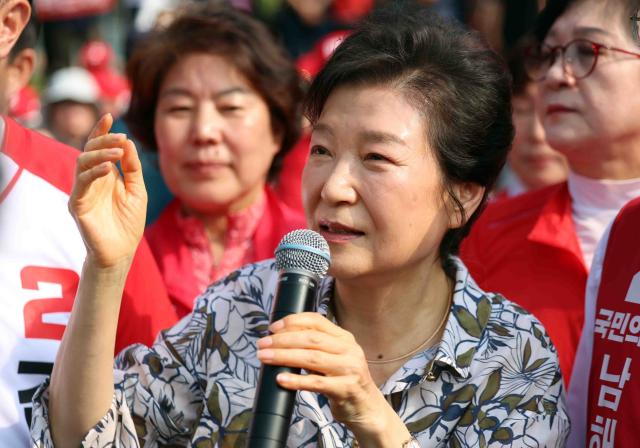
According to political sources on May 30, Park, once dubbed the 'Queen of Elections,' has been making extensive campaign appearances in regions including Daegu, Chungcheong, and now Busan, Ulsan, and Gyeongnam. This marks her first significant election support effort since her impeachment in 2017, nearly nine years ago. During her visits, she has been accompanied by candidates for local and national offices from the People Power Party, urging voters to support them.
Lee Myung-bak has also joined the campaign efforts. On May 15, he walked along Cheonggyecheon in Seoul with Oh Se-hoon, the People Power Party's candidate for mayor, encouraging supporters to back him. He is scheduled to visit Busan on May 31 to express his support for Park Hyung-joon, the candidate for mayor there.
In contrast, Moon Jae-in has refrained from any official external activities during this election cycle. Analysts suggest that the poor results of the Democratic Party in the Gyeongnam region during the April 10 elections two years ago may have influenced his decision. Despite his efforts to campaign in Gyeongnam, Busan, and Ulsan at that time, the Democratic Party only secured three seats in the region.
The involvement of former presidents in the election is seen as an attempt to galvanize voter turnout among their support bases. With traditional supporters potentially less likely to vote, they are calling for unity. However, there are concerns that such endorsements could backfire. While they may help consolidate support, they could also alienate moderate voters.
In Park's case, her return to the political scene after being the first president in South Korea to be impeached could lead to voter fatigue. Therefore, it has been suggested that the messages from former presidents should focus on national unity rather than deepening political divides or reverting to past conflicts.
* This article has been translated by AI.
Copyright ⓒ Aju Press All rights reserved.