

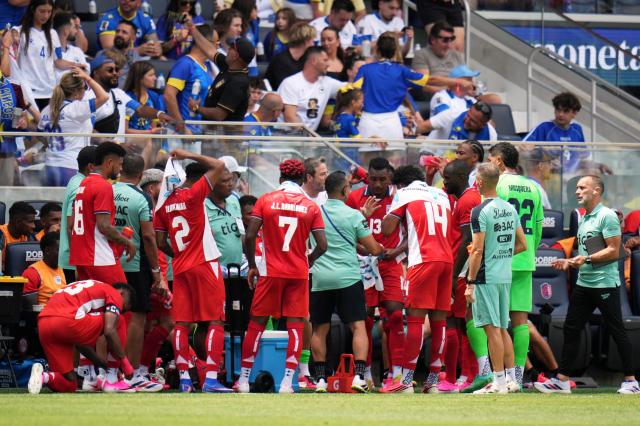
The 2026 North American World Cup is embroiled in unexpected controversy as tensions from military clashes between the U.S. and Iran spill into the sporting arena. While Iranian soccer players have received U.S. visas to participate in the tournament, reports indicate that Iranian fans have been barred from entering the stadiums. The Iranian Football Association claims that the FIFA World Cup organizing committee has canceled all tickets allocated to Iranian fans.
Final verification of these facts is still needed. However, if it is true that the entry of fans from a specific country is restricted for political reasons, this issue transcends mere administrative matters. It poses a serious challenge to the fundamental spirit of sports and the universal principles upheld by the international community.
The World Cup serves as a stage for competition among nations, but at its core, it is a celebration of humanity. It is an occasion where people come together to share the experience of watching the same game, regardless of nationality, race, religion, or ideology. This is why international sports have long symbolized peace and unity among people.
The ancient Olympics were held even during times of war, declaring a truce. The modern Olympic Charter also prohibits political discrimination. FIFA has strict regulations against discrimination based on politics, religion, or race. While sports cannot completely ignore political conflicts, the long-standing principle of international sports is that everyone should be guaranteed equal rights within the stadium.
The problem is that this principle has been increasingly undermined in recent years. Following Russia's invasion of Ukraine, the international sports community has faced unprecedented sanctions. Conflicts in the Middle East and tensions between the U.S. and China, along with divisions in the international community, are also impacting the realm of sports. Athletes' nationalities have become subjects of political controversy, and the hosting of international events is increasingly tied to diplomatic issues.
The U.S. may strengthen entry inspections for national security reasons, which is a sovereign right. However, the World Cup is not a typical tourism event. Once a country hosts the tournament, it enters into a special commitment with the international community. It bears the obligation to ensure that athletes, officials, and fans from participating countries can take part in the event without discrimination.
Indeed, FIFA President Gianni Infantino emphasized at the time of the joint hosting agreement with the U.S., Canada, and Mexico that "regardless of which teams participate, players and fans must be allowed entry." This is not merely a declaration but a fundamental principle of international sports governance.
If teams or fans from countries experiencing diplomatic conflicts with the host nation face repeated restrictions during the tournament, the integrity of international sports will suffer a serious blow. The World Cup and the Olympics are not domestic events for specific countries; they are shared assets created by the entire international community. The political interests of the host nation should not dictate the operation of the tournament. Attempts to use sports as a tool for diplomatic pressure must be approached with extreme caution. Sports exist not to exacerbate conflicts but to alleviate them. The playing field should be a space for communication, not a battleground.
The World Cup is a festival watched by billions around the globe. If participation in this festival is divided along national or political lines, the significance of the World Cup will inevitably diminish. Politics should be addressed within its own realm. Sports should not become a battlefield for political agendas. The stadium should resonate with cheers and chants, not the shadows of international disputes. This is the principle that FIFA must uphold, the responsibility of the host nation, and the spirit of sports that the international community must collectively protect.
* This article has been translated by AI.

Copyright ⓒ Aju Press All rights reserved.