

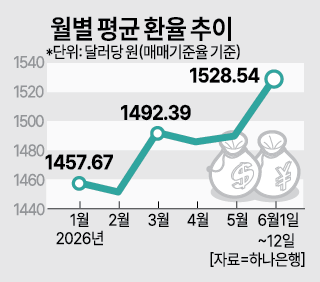
The won-dollar exchange rate has surpassed 1,500 won, causing widespread repercussions in the retail industry. While food and dining businesses, heavily reliant on imported raw materials, are struggling with rising costs, exporters and department stores benefiting from foreign tourist demand are experiencing a contrasting boost.
According to industry reports, the sectors most affected by the prolonged high exchange rate are the dining industry and local businesses that depend on imported materials. For instance, the price of naphtha used for packaging ramen and snacks has surged nearly 50%, rising from $500 per ton at the end of last year to around $730 recently. Additionally, the price of soybean oil, widely used in processed foods, has jumped 53.2% compared to a year ago, and aluminum prices for canning have increased by 25% since the beginning of the year.
In response, dining franchises have begun raising consumer prices following the local elections on June 3. MegaMGC Coffee has decided to increase the price of its signature 'Halmega Coffee' by 200 won starting June 19, while Coffee Bean Korea has raised the price of its vanilla latte stick coffee by up to 8.1%. The Bon Korea has also increased prices by an average of 11% on some menu items across its 11 brands since June 9.
Burger franchises, including Burger King, McDonald's, and Lotteria, are also adjusting their prices. Goobne Chicken has implemented 'shrinkflation' by reducing the weight of chicken thigh meat used in its boneless menu items. Prices for processed foods sold at convenience stores have risen by approximately 5-10% since early this month.

The online direct purchase market has also come to a halt. In the first quarter of this year, online overseas direct purchases amounted to 1.9789 trillion won, a mere 1.2% increase from the same period last year. The rising exchange rate has diminished price competitiveness, compounded by financial difficulties faced by some shipping companies, leading to increased consumer anxiety.
In contrast, companies with a high proportion of overseas sales are reaping the benefits of the high exchange rate. Samyang Foods, which generates about 80% of its revenue from abroad, has seen significant improvements in both sales and profitability in the first quarter of this year. Orion, which also derives 70% of its revenue from overseas, is experiencing strong performance due to the profit effects of the weak won.
Department stores are enjoying a 'foreign shopping boom' thanks to the strong dollar. The depreciation of the won has made Korea a shopping paradise for foreign visitors. In May, luxury goods sales to foreign customers at Hyundai Department Store's The Hyundai Seoul increased by 140.6% compared to the previous year, while sales at the main branch of Shinsegae Department Store surged by 230% in April and May. The reverse direct purchase market, where overseas consumers buy Korean products directly, has gained momentum, with e-commerce exports surpassing $200 million for the first time in April.
As the high exchange rate persists, the disparity in performance among companies is expected to become more pronounced. According to the Korea International Trade Association's International Trade and Commerce Research Institute, a 10% increase in the exchange rate initially benefits export companies in the short term. However, if the high exchange rate continues, the prices of imported raw materials and supplier costs will rise in succession, ultimately leading to profitability declines for 80.1% of domestic companies.
An industry insider stated, "Even though we set the exchange rate at a high level of 1,450 won when establishing our business plans last year, the current rate far exceeds that. If the trend of high exchange rates continues, there will be limits to absorbing cost burdens internally, making profitability declines inevitable for domestic-based companies."
* This article has been translated by AI.
Copyright ⓒ Aju Press All rights reserved.