

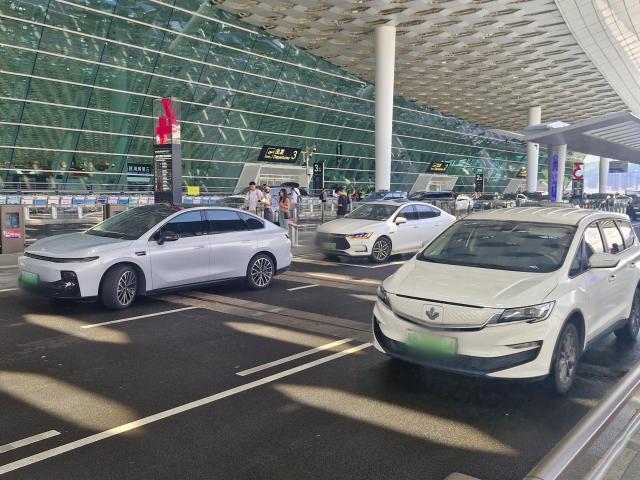
On June 13, green-plate taxis lined the entrance road to Shenzhen Bao'an International Airport. Familiar brands like BYD and Zeekr, along with lesser-known electric vehicle brands, continuously sped by. Despite the varied designs, most vehicles were from local Chinese electric car manufacturers, showcasing the status of the world's largest electric vehicle market.
On some roads, autonomous taxis operated without drivers, picking up passengers. After calling for a driverless taxi near Shenzhen's Talent Park, a vehicle arrived in less than ten minutes. Once all passengers, including those in the back seat, fastened their seatbelts, the car navigated to the destination on its own.
A display in front of the passenger seat showed real-time movements of surrounding vehicles and pedestrians. A passenger in the second row even adjusted the air conditioning temperature. The driverless taxi smoothly stopped and started according to traffic signals, prioritizing safety to the extent that it yielded to merging vehicles three times at an urban intersection, creating a somewhat frustrating experience for passengers.
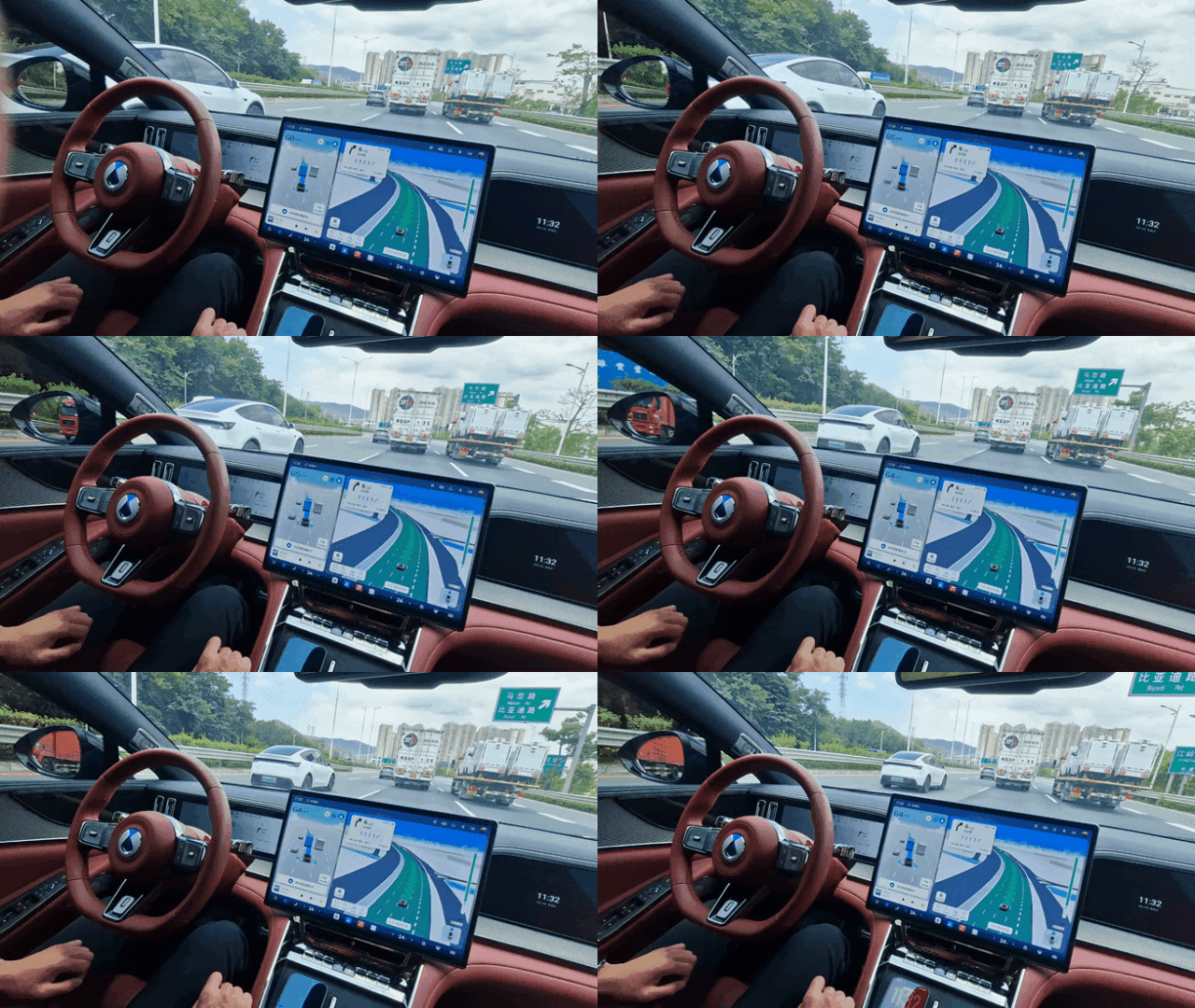
While it may seem similar to advanced driver-assistance systems (ADAS) found in other countries, the difference lies in the vehicle's ability to turn the steering wheel and change lanes autonomously after a destination is entered. In fact, once the vehicle leaves the parking lot, there are few situations requiring driver intervention.
As the expansion of autonomous driving continues, the proportion of new energy vehicles is also increasing. Since three years ago, China has gradually reduced electric vehicle subsidies, with most being eliminated last year. Competition now occurs under conditions similar to those for internal combustion engine vehicles, yet about 60% of new car buyers opt for new energy vehicles.
According to the China Association of Automobile Manufacturers (CAAM), sales of new energy vehicles in China reached 16.49 million last year, a 28.2% increase from the previous year. This means that half of the 34.4 million vehicles sold by Chinese automakers, both domestically and globally, were new energy vehicles. Exports of new energy vehicles doubled year-on-year to 2.615 million units.
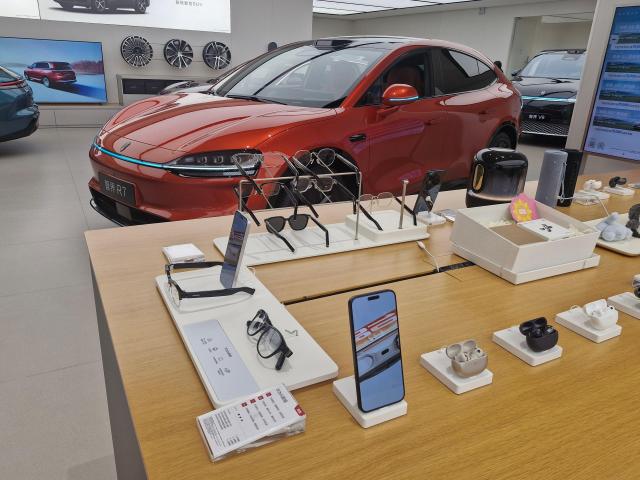
Kim Pil-soo, a professor at Daelim University’s Future Mobility Department, stated, "Electric vehicles are so simple in structure compared to internal combustion engine vehicles that they can be described as 'products with wheels attached to a smartphone.' This will lead to more active market entry by electronics and appliance companies in the future. Shenzhen, with its rapid technological advancements and large market base, is forming a virtuous cycle where affordable yet quality vehicles continue to emerge."
* This article has been translated by AI.
Copyright ⓒ Aju Press All rights reserved.