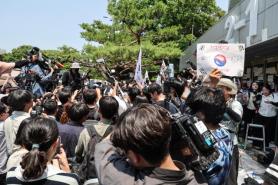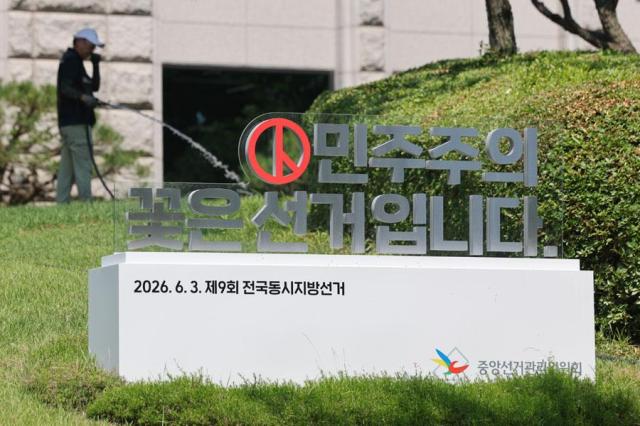
Lawmakers from the ruling Democratic Party (DP) and the main opposition People Power Party (PPP) met in Seoul to discuss the matter, as a growing number of protesters have been holding rallies in southern Seoul for nearly two weeks since election day, chanting that their voting rights were infringed.
The two parties will form a nine-member committee chaired by the PPP. The investigation is expected to last about 45 days, with the possibility of an extension if both sides agree.
Both parties are expected to finalize a proposal for the parliamentary investigation, which is scheduled to be put to a vote during a plenary session at the National Assembly on Thursday.
Chun Jun-ho, the DP's chief deputy floor leader, said the National Election Commission, which oversees the country's elections, will be among the key targets of the investigation.
His PPP counterpart Kim Seong-su also said both sides agreed to actively cooperate to ensure that the investigation can be conducted without any interference or restrictions.
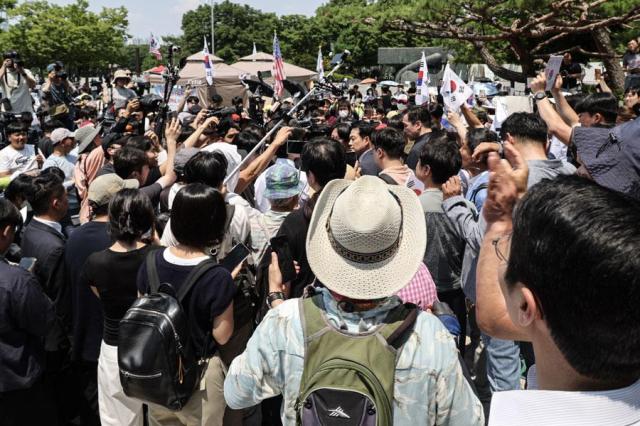
Under relevant laws, challenges to election results must be filed within 14 days of election day, meaning that the PPP has until Wednesday to submit an objection. If dismissed, parties may then bring a lawsuit in court within 10 days, with courts required to issue rulings within 180 days.
But the chances of a re-vote appear low, as many legal experts say such measures are usually considered only when the result is close enough to be potentially overturned. They also argue that the number of voters affected by the ballot shortage is likely far smaller than the winning margins in key races such as the Seoul mayoral election.
Some within the party criticized Jang's move as reckless, saying it was intended to fend off mounting calls for him to step down and take responsibility for the overall defeat in early this month's elections, despite unexpected wins in some key races including Seoul.
Copyright ⓒ Aju Press All rights reserved.