

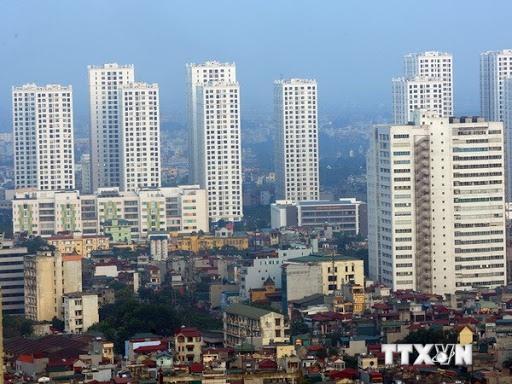
Recently, the Hanoi apartment market in Vietnam has seen an increase in so-called "distressed sales," attracting the attention of potential buyers. Online discussions reveal a divide among netizens, with some expressing caution that prices may drop further, while others believe it is an opportune time to find good deals. However, experts caution that not all discounted properties are worthwhile investments, emphasizing the need for market research and financial assessments.
According to the Vietnamese media outlet VnExpress on June 16, real estate experts have noted that the Hanoi apartment market, which experienced rapid growth from mid-2023 to 2025, has entered a stagnation phase this year. Many buyers who heavily relied on loans for investment are now listing their properties for sale due to financial strain, creating new options for cash-ready buyers.
Experts stress the importance of understanding why certain properties are being sold at significantly reduced prices. While some sellers may be under pressure to sell quickly due to high interest rates, others may have properties with location or quality issues. Some listings are reportedly in areas with poor access to the city center, unresolved legal issues, low rental demand, or high maintenance costs. Additionally, many of the cheaper apartments are located on lower or top floors or near waste disposal facilities, which are less desirable.
Properties undergoing significant price adjustments are primarily found in outer regions, either under construction or nearing completion. These developments were initially sold at prices ranging from 9 to 10 million dong per square meter (approximately $516 to $573) during a market boom, with a substantial portion of demand driven by investors.
Financial planning is also a critical factor in purchasing decisions. Even buyers with ample cash reserves must carefully evaluate their loan amounts and repayment capabilities. Currently, mortgage interest rates range from 9% to 12% during the preferential period, with variable rates potentially rising to 12% to 15% after the preferential period ends.
Experts recommend maintaining a mortgage loan ratio below 50% and ensuring that monthly repayments do not exceed 35% to 40% of household income. Rushing into borrowing simply because of lower purchase prices could lead to increased financial burdens in the future.
Public sentiment regarding the real estate market is mixed. One netizen commented, "If you've waited for several years, waiting another one or two years is reasonable," suggesting the possibility of further price adjustments. Another user argued, "If home prices are 30 times income, it's better not to buy."
Conversely, some emphasized the importance of buying for personal residence. One user stated, "The key is not to buy the cheapest house but to find one that suits you," urging buyers to prioritize properties with legal stability, reputable developers, and actual family housing needs. Another netizen remarked, "Just because distressed sales are increasing doesn't mean the entire market is collapsing; if you have sufficient funds and have done your research, you can still find good buying opportunities."
Experts particularly emphasize that when considering the transfer of contracts for ongoing projects, buyers must account for remaining payment schedules, taxes, various transfer costs, and loan interest burdens. Purchasing a property under construction may require managing both loan repayments and potential rental costs, making it essential to compare these with legally stable completed developments.
* This article has been translated by AI.
Copyright ⓒ Aju Press All rights reserved.