

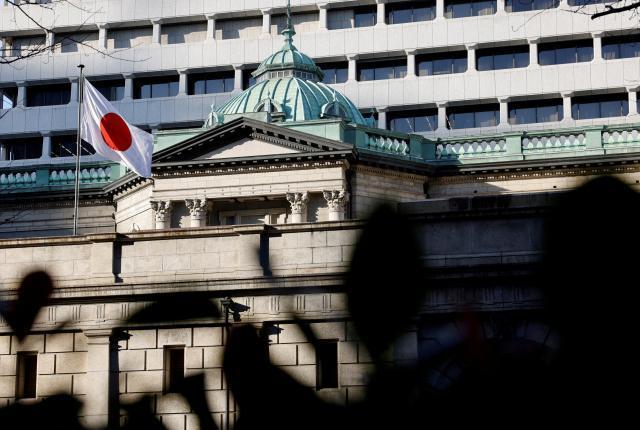
The Bank of Japan has raised its benchmark interest rate to around 1% for the first time in 31 years, prompting changes in deposit and loan rates across the country. While deposit interest rates are set to increase, the burden of mortgage and business loan interest is also expected to rise, leading to mixed impacts for households and businesses.
According to reports from Yomiuri Shimbun and Nihon Keizai Shimbun on June 17, Japan's three major banks—Mitsubishi UFJ Bank, Sumitomo Mitsui Trust Bank, and Mizuho Bank—will raise their regular deposit rates from the current 0.3% to 0.4% starting August 3. This adjustment follows the Bank of Japan's decision the previous day to increase the policy interest rate from approximately 0.75% to around 1.0%.
As a result, the regular deposit rate at major banks will rise to 400 times higher than the pre-negative interest rate level of 0.001%. This marks the highest rate since August 1992 for both Mitsubishi UFJ Bank and Sumitomo Mitsui Trust Bank.
Loan rates are also expected to follow suit. Japanese media predict that the increase will be reflected in variable-rate mortgage loans starting in October. MFS, which operates the mortgage comparison service 'Mogecheck,' calculated that if the interest rate on a 50 million yen (approximately $470,000) mortgage with a 35-year repayment term rises from 1.0% to 1.25%, the monthly repayment amount would increase by about 5,900 yen (around $55).
Overall, some analysts suggest that the increase in deposit interest could outweigh the burden of higher loan interest for households. Mizuho Research estimates that if the policy rate rises to 1%, households could benefit by approximately 1 trillion yen (around $9.4 billion) annually, or about 20,000 yen (around $190) per household.
However, the actual impact is likely to vary by demographic. Older individuals with substantial financial assets may benefit significantly from increased interest income, while younger individuals with larger mortgage balances may face greater repayment burdens.
For businesses, rising interest rates could pressure profitability. Mizuho Research forecasts that this decision could reduce the ordinary profits of Japanese companies, excluding the finance and insurance sectors, by 1.0%. For companies with capital of less than 10 million yen (approximately $94,000), the decline could reach 6.6%.
This decision is interpreted as a response to the weakening yen and rising inflationary pressures that can no longer be ignored. Japanese media also suggest that the pressure for interest rate normalization in the United States has influenced this move.
However, the path for further interest rate increases by the Bank of Japan remains uncertain. Kyodo News reports that starting from the next meeting, the number of cautious members regarding rate hikes will increase from one to two, raising questions about the smooth continuation of monetary policy normalization.
* This article has been translated by AI.
Copyright ⓒ Aju Press All rights reserved.