

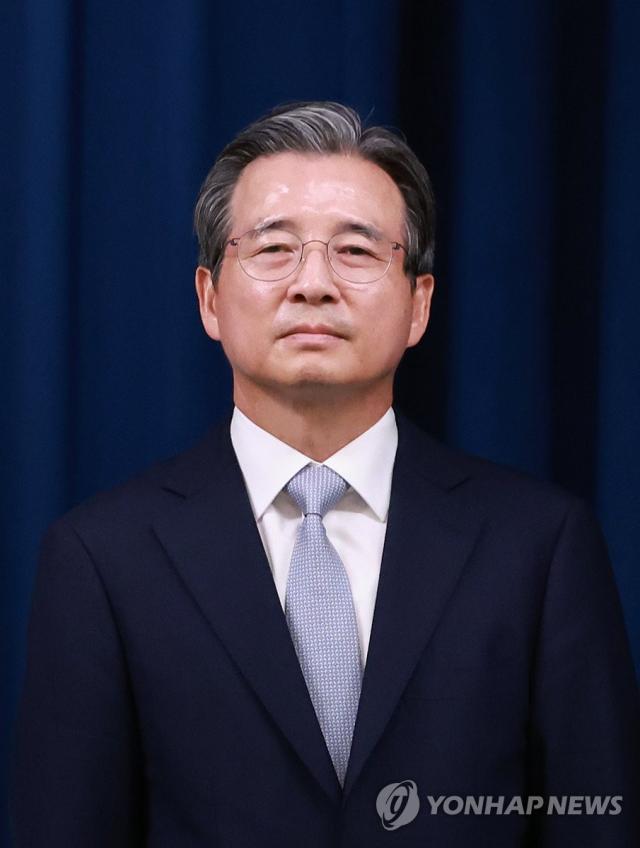
Kim Yong-beom, Chief of Policy at the Blue House, described South Korea's economic situation on June 20 as a "historic boom," emphasizing the need for normalizing real estate taxation and channeling corporate profits and fiscal resources to support vulnerable groups and future industries.
In a post on Facebook, Kim noted, "This year, South Korea's nominal GDP growth rate is expected to exceed double digits (with a 17.1% year-on-year nominal growth rate in the first quarter). The last time our nominal growth rate reached 10% was during the excitement of the 2002 Korea-Japan World Cup." He added, "While the numbers are cause for celebration, I strangely feel a heaviness in my heart."
He continued, "People see the good numbers in the news, but they do not necessarily feel that it connects to their lives." However, he predicted that the atmosphere could change significantly in the second half of the year, with luxury consumption rebounding and buying sentiment in preferred real estate areas beginning to stir again. "The real test will come at the end of the year and early next year," he said.
Kim stated, "When performance bonuses are paid, wage increases become a reality, and export payments begin to flow into the country, people's behavior will change." He noted that historically, such funds tend to flow into the real estate market.
He stressed the need to normalize real estate taxation, stating, "It is necessary and right to rationally adjust property and capital gains taxes."
Regarding future interest rate hikes, he remarked, "The current level of interest rates cannot be maintained indefinitely, and self-employed individuals and vulnerable borrowers who have not felt the boom are likely to be the first to be affected." He added, "The benefits of the boom tend to flow upward, while the pains of tightening are felt below."
Kim warned that if the benefits of the semiconductor boom concentrate in the real estate market and among certain groups, it could weaken growth momentum. However, he suggested that if these benefits are redirected to support youth and vulnerable groups, as well as investments in future industries, it could mark a turning point for the South Korean economy to emerge from a prolonged low-growth phase.
He concluded, "To translate the achievements of this historic semiconductor boom into enhanced national competitiveness, we need policy imagination and the execution power to realize it."
* This article has been translated by AI.
Copyright ⓒ Aju Press All rights reserved.