

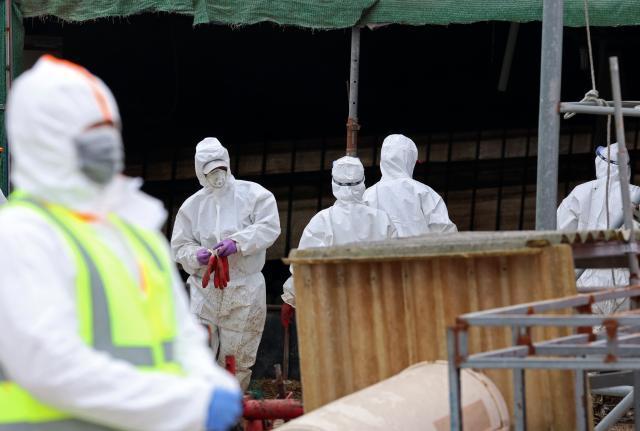
Australia has confirmed its first case of H5N1 highly pathogenic avian influenza (AI), prompting authorities to take urgent measures to contain its spread.
On June 20, local time, the Australian government announced that the H5N1 avian influenza virus had been detected on the mainland for the first time. The virus was found in a wild area near Esperance, approximately 570 kilometers southeast of Perth in Western Australia.
Julie Collins, Australia’s Minister for Agriculture, Fisheries and Forestry, stated at a press conference, "The virus was confirmed in one migratory bird, and other samples from different species found in the same area tested positive for suspicion of the virus."
Until now, Australia had been classified as the only continent without confirmed cases of H5N1 avian influenza on its mainland.
However, Australian researchers recently reported that H5N1 avian influenza had spread in the Heard and McDonald Islands near Antarctica, resulting in the deaths of approximately 13,000 out of 17,000 seal pups.
The Heard and McDonald Islands are uninhabited Australian territories that serve as wildlife habitats for penguins and seals.
In 2024, a child in Australia was infected with H5N1 avian influenza, but this case was confirmed to have occurred during travel in India and was not included in domestic case counts.
International media have assessed that this confirmation indicates the highly contagious H5N1 virus has now spread to virtually all continents.
Prime Minister Anthony Albanese remarked, "This is concerning, and we will implement all possible measures to prevent its spread."
Minister Collins added, "So far, there have been no confirmed mass mortality cases, and there is no evidence that the virus has spread to poultry or farms."
The Australian government has convened an emergency meeting to initiate a national response and is investigating whether the virus was introduced to the mainland by migratory birds from the Antarctic region.
However, human infection cases remain limited, and no human-to-human transmission has been reported. Human infections typically occur after close contact with infected animals, but the fatality rate is high. According to the World Health Organization (WHO), there have been about 1,000 reported human infection cases worldwide from 2003 to 2025, with a mortality rate of 48% among those infected.
* This article has been translated by AI.
Copyright ⓒ Aju Press All rights reserved.