

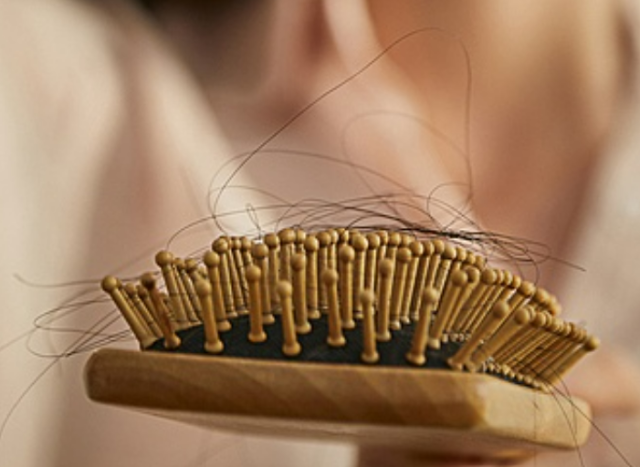
The South Korean government's decision to include hair loss treatment under health insurance has ignited a heated debate. Industry perspectives are divided. While some anticipate that insurance coverage will expand the market and reduce patient costs, others express concerns that funding for severe illnesses, such as cancer treatments and rare diseases, may be compromised.
According to the Ministry of Health and Welfare and industry sources, the government plans to gather public opinions on health insurance coverage for hair loss treatments during the first "Everyone's Forum" on July 4. This initiative is seen as a first step toward making policy decisions that consider a balanced allocation of health insurance resources and public demand.
Currently, most hair loss treatments are not covered by health insurance, meaning patients bear the full cost. Last year, the total expenditure on hair loss treatments, including medication and medical consultations, exceeded 290 billion won (approximately $290 million).
Hair loss has been recognized as a condition that significantly impacts daily life and self-esteem, leading to ongoing calls for insurance coverage. The demand for early treatment is also rising, particularly among younger individuals who are increasingly concerned about hair loss.
The pharmaceutical industry is optimistic about market expansion following the announcement of insurance coverage for hair loss treatments. If insurance coverage is realized, the prescription market for oral treatments, particularly those based on dutasteride and finasteride, is expected to grow.
Hyundai Pharmaceutical is targeting the hair loss market with its minoxidil brand, "MyNoxil," which has been sold in South Korea for many years. The potential for increased sales is high if health insurance coverage is implemented. JW Pharmaceutical offers specialized hair loss treatments, including finasteride-based "Monad" and dutasteride-based "Dutamoa." Yuyu Pharmaceutical is also positioned to benefit, as it currently produces and supplies dutasteride-based medications for 27 domestic pharmaceutical companies.
Yoo Won-sang, CEO of Yuyu Pharmaceutical, stated, "Dutasteride is a hormone-based drug with high production barriers, and Yuyu Pharmaceutical, having proactively built production capacity, expects to benefit from market expansion."
There is also potential for growth in the long-acting injectable and improved drug markets, as companies investing in hair loss treatment development may secure new growth drivers.
However, some voices of opposition are rising. Concerns have been raised that if health insurance funds are diverted to treat mild conditions like hair loss, there may be less financial capacity to expand coverage for cancer treatments, rare diseases, and advanced biopharmaceuticals.
A domestic biotech representative remarked, "Health insurance resources are limited. If funding is heavily allocated to chronic conditions like hair loss that require long-term treatment, it could restrict the expansion of coverage for severe illness treatments."
In fact, last year, under the 30% patient cost-sharing model for specialty medications, health insurance would need to cover approximately 179.7 billion won (about $179 million) for hair loss patients. If the cost-sharing rate were 50%, the required funding would be estimated at around 128.4 billion won (approximately $128 million).
* This article has been translated by AI.
Copyright ⓒ Aju Press All rights reserved.