

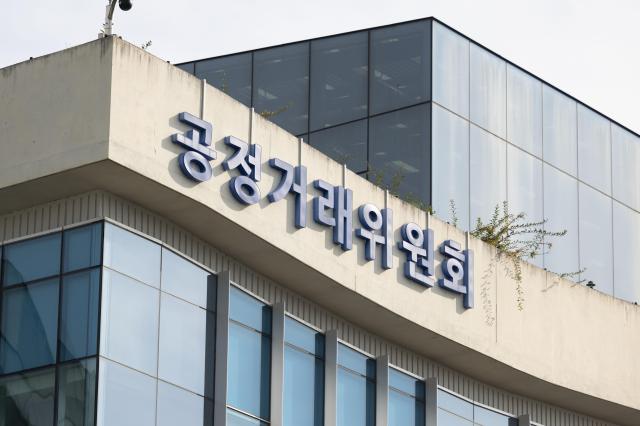
On June 30, the Fair Trade Commission and the Ministry of SMEs and Startups announced the publication of the 'Practical Guide for Energy Cost Adjustment in Subcontracting.'
This guidebook was created to alleviate confusion stemming from the expansion of the adjustment system's scope from 'major raw materials' to 'major raw materials and energy' due to amendments to the Subcontracting Law. Starting August 11, when electricity, gas, or heating costs rise, suppliers will be able to reflect these cost changes in subcontracting prices.
Small and medium-sized suppliers have faced challenges in verifying and proving the proportion of energy costs, such as electricity and gas, in subcontracting payments. Unlike raw materials, it is difficult to separate consumption by product.
To address this, the government has developed five standard calculation methods tailored to the accounting systems and documentation levels of various companies, ensuring that anyone can easily perform the calculations.
In addition to distributing the guidebook, the Fair Trade Commission plans to provide various support measures to ensure the stable establishment of the system. The Commission will hold educational and explanatory sessions through the Subcontracting Price Adjustment Support Headquarters and will continue to offer one-on-one customized consulting and advisory services.
A Fair Trade Commission official stated, "This guidebook specifically presents the energy cost calculation standards that businesses are likely to find most challenging due to the expanded scope of the adjustment system. We hope it will help the energy cost adjustment system take root effectively in the field."
* This article has been translated by AI.
Copyright ⓒ Aju Press All rights reserved.