

International oil prices saw a slight increase ahead of the U.S. Independence Day holiday. However, easing supply concerns from the Middle East due to progress in U.S.-Iran negotiations kept prices subdued on a weekly basis.
On July 2, Brent crude futures traded at $71.80 per barrel, up 23 cents from the previous session, according to Reuters. Meanwhile, West Texas Intermediate (WTI) futures rose 11 cents to close at $68.69 per barrel on the New York Mercantile Exchange.
Oil prices initially showed weakness but turned upward as short-covering buying emerged ahead of the holiday. Short-covering refers to the practice of investors buying back oil to mitigate losses or secure profits after betting on price declines.
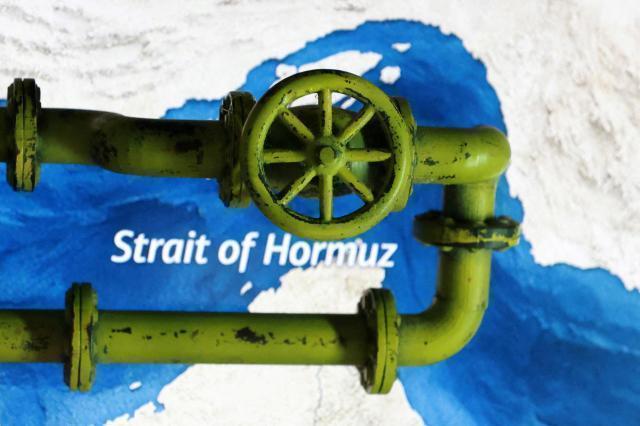
Nonetheless, the gains were limited. Progress in indirect negotiations between the U.S. and Iran has alleviated concerns about supply disruptions in the Strait of Hormuz. The two sides are discussing the implementation of a previously agreed memorandum of understanding (MOU) and potential final agreements, facilitated by Qatar. Although a final agreement has not yet been reached, the market has noted a reduced likelihood of escalation in the region.
Oil transport through the Strait of Hormuz is also showing signs of recovery. The movement of tankers, which had been halted during the conflict, has resumed, leading to lower concerns about supply disruptions from the Middle East. As a result, Brent and WTI prices have fallen to levels seen before the U.S.-Iran conflict.
Additionally, a decrease in U.S. crude oil inventories has supported the lower end of the price range. Increased refinery activity has led to a reduction in both crude and gasoline stocks, while some demand has returned during the summer driving season.
However, the overall market sentiment remains cautious. With tensions in the Middle East easing and the potential for increased exports from major oil-producing countries, including Saudi Arabia, supply pressures are mounting. Major investment banks, including UBS, have lowered their Brent price forecasts due to the normalization of shipping through the Strait of Hormuz and the recovery of supply.
The market is closely monitoring the outcomes of subsequent negotiations between the U.S. and Iran, the situation regarding shipping through the Strait of Hormuz, and whether oil-producing countries will expand their output.
* This article has been translated by AI.
Copyright ⓒ Aju Press All rights reserved.