

The essence of politics is not power. Power is a means, not an end. The reason politics exists is for the people, and the reason political parties exist is to represent the will of the people. Thus, the history of democracy is ultimately the history of public sentiment. Power that goes against the will of the people does not last long, and parties that ignore the warnings of the public eventually fade into the annals of history.
Throughout history, great politicians have shone brighter in defeat than in victory. The glory of victory can be shared by many, but the responsibility for defeat must be borne by someone. The true character of a political leader is revealed not when they gain power, but when they relinquish it.
The scenes unfolding within the People Power Party following the June 3 local elections provoke much thought. The party faced a stern judgment from the public in the elections. While it managed to retain Seoul and avoid the worst outcomes, the national trend was clear: public sentiment demanded change and innovation. The people sent a warning that, in its current form, the party has no future.
Throughout history, great politicians have shone brighter in defeat than in victory. The glory of victory can be shared by many, but the responsibility for defeat must be borne by someone. The true character of a political leader is revealed not when they gain power, but when they relinquish it.
The scenes unfolding within the People Power Party following the June 3 local elections provoke much thought. The party faced a stern judgment from the public in the elections. While it managed to retain Seoul and avoid the worst outcomes, the national trend was clear: public sentiment demanded change and innovation. The people sent a warning that, in its current form, the party has no future.
Surprisingly, the most notable figure within the People Power Party immediately after the elections was Song Eon-seok, the floor leader. With just ten days left in his term, he voluntarily announced his resignation. Many questioned the necessity of his departure at this time, given the short duration remaining in his term. However, in politics, what matters is not the length of time but the weight of responsibility.
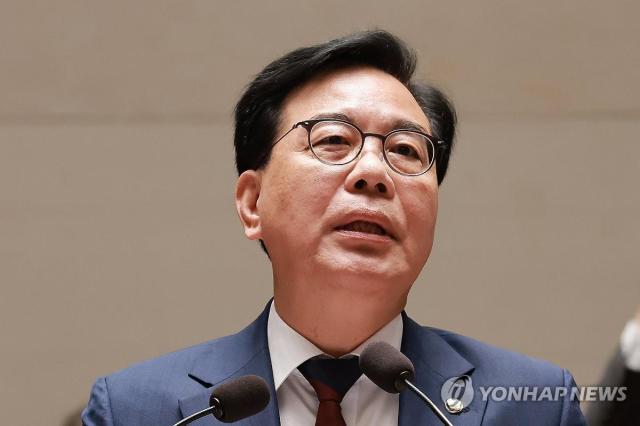
Song stated, "In order to honor the will of the people, our party needs a new beginning." This brief statement encapsulates the essence of politics. If the public commands change, it is the leadership that must first take responsibility. This is the fundamental principle of democracy.
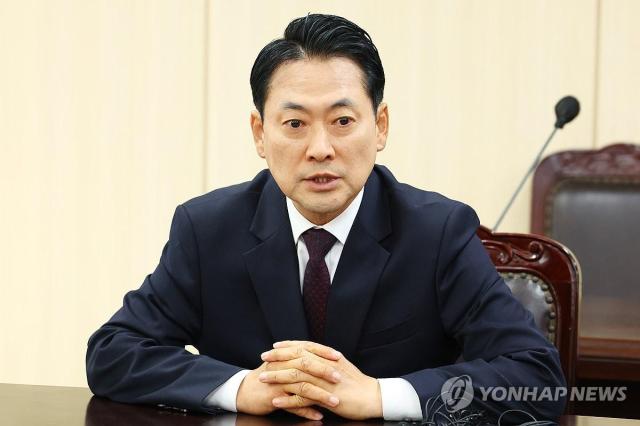
In contrast, the situation surrounding Party Leader Jang Dong-hyuk is quite different. Despite the growing calls for accountability both inside and outside the party, Jang has not provided a clear stance. There has been a lack of a sober assessment of the election results or a clear explanation of his future plans.
Of course, Jang may feel unjustly treated. The reasons for the election defeat do not rest solely on his shoulders. Numerous factors, including the party's crisis, the political climate, policy failures, competition among candidates, and organizational strength, all played a role.
In contrast, the situation surrounding Party Leader Jang Dong-hyuk is quite different. Despite the growing calls for accountability both inside and outside the party, Jang has not provided a clear stance. There has been a lack of a sober assessment of the election results or a clear explanation of his future plans.
Of course, Jang may feel unjustly treated. The reasons for the election defeat do not rest solely on his shoulders. Numerous factors, including the party's crisis, the political climate, policy failures, competition among candidates, and organizational strength, all played a role.
However, political leaders are in positions of accountability. A leader's attitude should be to pass the ball down while embracing the responsibility above.
Why are British politicians regarded as models of advanced politics? When they lose an election, the party leader takes responsibility first. The same is true in Japan, Germany, and the United States. Politics is the art of accountability. While power can exist without accountability, a respected leader cannot be born from such power.
Confucius said in the Analects, "The noble person thinks of righteousness, while the petty person thinks of profit." What a political leader should consider first is not their political survival but the future of the party. The Buddhist scripture Dhammapada states, "The greatest victor is the one who conquers oneself." In politics, conquering oneself means letting go of the obsession with power.
The Bible's Gospel of Matthew states, "The first will be last, and the last will be first." Those who willingly relinquish power for the sake of the people will be remembered longer than those who cling to it. Laozi's Tao Te Ching also states, "Water reaches the highest place because it does not compete." This suggests that by stepping down rather than clinging to a position, one can gain greater political capital.
History is filled with such examples. British politicians have taken responsibility and stepped down after defeats, and Japanese leaders have also chosen to resign after electoral losses. Conversely, those who tried to cling to their positions against public sentiment have often suffered greater consequences. Politics is a profession that thrives on public trust. When trust erodes, power crumbles. What the People Power Party must do now is not cling to the past but prepare for the future. The conservative party is currently in crisis. However, the more dangerous attitude is the refusal to acknowledge that crisis.
The People Power Party has already missed several opportunities for reform. It has been mired in factional conflicts and has expended more energy on internal power struggles than on the public. The result of this is reflected in the public sentiment from the recent local elections. Rebuilding conservatism cannot be achieved by merely changing one person. The party's direction, personnel, and political culture must all change. However, the starting point for all these changes is responsible politics. When there is someone willing to take responsibility, the public will grant another chance.
The most dangerous illusion in politics is the belief that the public will forget. The public does not forget. They are watching and remembering. This is why our ancestors have long said, "Public sentiment is the will of heaven." This saying is not just a proverb; it is a political philosophy that succinctly explains the essence of democracy. There is no separate will of heaven. The will of the people is the will of heaven. The choice now before the People Power Party ultimately comes down to one question: Will they follow public sentiment or go against it?
Song Eon-seok's resignation alone will not solve all the problems. However, it was at least a symbolic moment that illustrated what politics should be. Now, Jang Dong-hyuk must also ask himself: What is the path for the party, not what is best for himself? What choice serves the future of conservatism, not just his political future?
Politicians eventually leave the stage. What matters is not how long they stayed but how they departed. If public sentiment is the will of heaven, then politicians must ultimately be humble before that will. This is democracy, this is advanced politics, and this is the most important virtue that contemporary South Korean politics must relearn.
Why are British politicians regarded as models of advanced politics? When they lose an election, the party leader takes responsibility first. The same is true in Japan, Germany, and the United States. Politics is the art of accountability. While power can exist without accountability, a respected leader cannot be born from such power.
Confucius said in the Analects, "The noble person thinks of righteousness, while the petty person thinks of profit." What a political leader should consider first is not their political survival but the future of the party. The Buddhist scripture Dhammapada states, "The greatest victor is the one who conquers oneself." In politics, conquering oneself means letting go of the obsession with power.
The Bible's Gospel of Matthew states, "The first will be last, and the last will be first." Those who willingly relinquish power for the sake of the people will be remembered longer than those who cling to it. Laozi's Tao Te Ching also states, "Water reaches the highest place because it does not compete." This suggests that by stepping down rather than clinging to a position, one can gain greater political capital.
History is filled with such examples. British politicians have taken responsibility and stepped down after defeats, and Japanese leaders have also chosen to resign after electoral losses. Conversely, those who tried to cling to their positions against public sentiment have often suffered greater consequences. Politics is a profession that thrives on public trust. When trust erodes, power crumbles. What the People Power Party must do now is not cling to the past but prepare for the future. The conservative party is currently in crisis. However, the more dangerous attitude is the refusal to acknowledge that crisis.
The People Power Party has already missed several opportunities for reform. It has been mired in factional conflicts and has expended more energy on internal power struggles than on the public. The result of this is reflected in the public sentiment from the recent local elections. Rebuilding conservatism cannot be achieved by merely changing one person. The party's direction, personnel, and political culture must all change. However, the starting point for all these changes is responsible politics. When there is someone willing to take responsibility, the public will grant another chance.
The most dangerous illusion in politics is the belief that the public will forget. The public does not forget. They are watching and remembering. This is why our ancestors have long said, "Public sentiment is the will of heaven." This saying is not just a proverb; it is a political philosophy that succinctly explains the essence of democracy. There is no separate will of heaven. The will of the people is the will of heaven. The choice now before the People Power Party ultimately comes down to one question: Will they follow public sentiment or go against it?
Song Eon-seok's resignation alone will not solve all the problems. However, it was at least a symbolic moment that illustrated what politics should be. Now, Jang Dong-hyuk must also ask himself: What is the path for the party, not what is best for himself? What choice serves the future of conservatism, not just his political future?
Politicians eventually leave the stage. What matters is not how long they stayed but how they departed. If public sentiment is the will of heaven, then politicians must ultimately be humble before that will. This is democracy, this is advanced politics, and this is the most important virtue that contemporary South Korean politics must relearn.
※ This article was generated using generative AI and has been reviewed by an editor.
* This article has been translated by AI.
Copyright ⓒ Aju Press All rights reserved.