SEOUL, August 25 (AJP) - South Korean consumer borrowing fell to its lowest in more than three years in the second quarter amid tighter caps on mortgage lending.
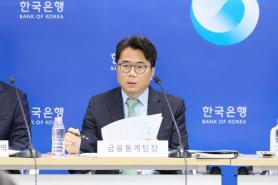
The average amount of new household loans dropped 3.6 percent in April-June period from the previous quarter to 34.14 million won ($24,687) per borrower, preliminary data from the Bank of Korea (BOK) showed Tuesday.
The BOK attributed the decline in part to tighter loan management across the financial sector. The drop was concentrated among borrowers in their 30s and 40s, residents of the Seoul metropolitan area and mortgage borrowers.
New mortgage borrowing fell 9.2 percent to 208.29 million won per borrower from 229.39 million won in the first quarter, the lowest since the fourth quarter of 2024, according to a separate BOK time-series comparison.
The curb in new lending did not translate into lower outstanding debt.
Average household loan balances per borrower rose 0.5 percent to 97.90 million won at the end of June. Average mortgage balances increased by 1.87 million won to 161.93 million won.
The two measures capture different parts of household borrowing. New lending tracks loans issued during a quarter, while outstanding balances reflect accumulated loans that borrowers still owe.
The BOK's borrower-level statistics are based on a sample from NICE Information Service's personal credit database covering 4.8 percent of borrowers. The data are designed to show differences in borrowing by age, region, lender and loan type.
The second-quarter decline was particularly pronounced among borrowers in their 30s and 40s.
Average new household borrowing among people in their 40s fell by 5.83 million won to 35.88 million won, while the figure for those in their 30s declined by 2.74 million won to 49.08 million won.
The two age groups also led the decline in mortgages. Average new mortgage borrowing fell by 35.37 million won among borrowers in their 40s and by 26.32 million won among those in their 30s.
Borrowers in their 20s bucked the trend. Their average new mortgage borrowing rose by 3.92 million won to 232.17 million won, and they accounted for 6.0 percent of new mortgage lending by value.
The pullback was also concentrated in the Seoul metropolitan area.
Average new household borrowing in Seoul, Incheon and Gyeonggi Province fell by 1.93 million won to 37.80 million won per borrower.
Average new mortgage borrowing in the region declined by 43.97 million won to 230.59 million won.
Lending trends diverged sharply between banks and nonbank institutions.
Average new household borrowing through nonbanks fell by 14.39 million won to 27.91 million won, while borrowing through banks rose by 3.42 million won to 50.13 million won.
Banks nevertheless remained the largest source of new borrowing by value, accounting for 58.3 percent of the total. Borrowers in their 30s accounted for 32.7 percent, while the Seoul metropolitan area represented 59.4 percent.
The slowdown in new borrowing comes even as South Korea's overall household debt continues to rise.
Separate BOK data released last week showed household credit increased by 25.9 trillion won to a record 2,019.8 trillion won at the end of June, exceeding 2,000 trillion won for the first time.
The two statistics are not directly comparable. Household credit measures economy-wide loans and sales credit using reports from financial institutions, while the borrower-level statistics use a sample of individual credit records to track borrowing patterns.
Second-quarter borrower-level figures are preliminary and will be finalized when the next quarterly data are released.
AJP Takeaways:
• South Korea's average new household borrowing per borrower fell 3.6 percent to 34.14 million won in the second quarter, the lowest since the first quarter of 2023.
• New mortgage borrowing dropped 9.2 percent to 208.29 million won per borrower, led by declines among people in their 30s and 40s and in the Seoul metropolitan area.
• New lending slowed even as South Korea's total household credit climbed to a record 2,019.8 trillion won at the end of June, according to the Bank of Korea.

Copyright ⓒ Aju Press All rights reserved.