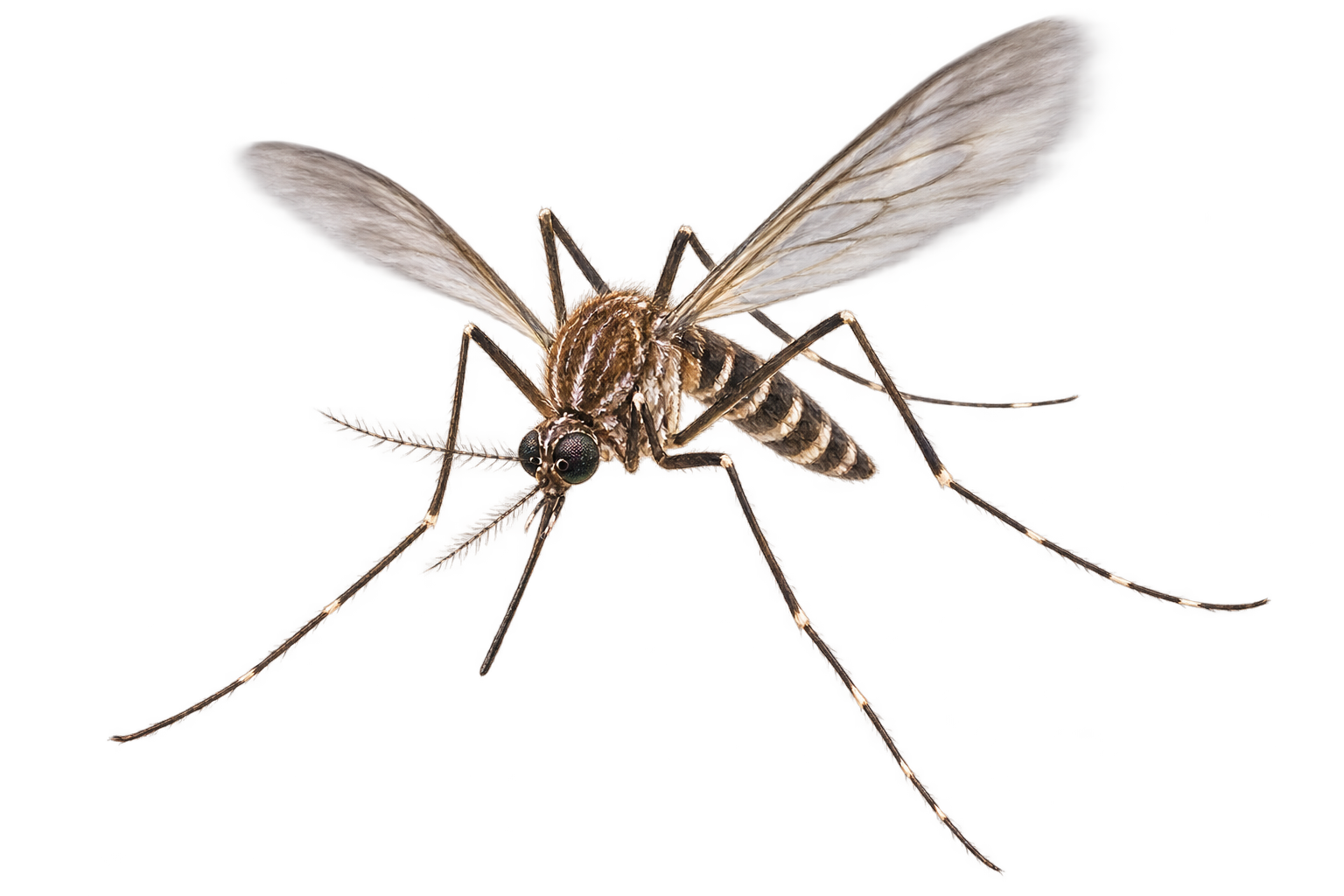
When the scorching summer sun fades
and the leaves turn brilliant colors,
we finally breathe a sigh of relief.
But behind autumn's natural beauty
lurks another survivor
that has been waiting for cooler weather.
Autumn mosquitoes strike when we let our guard down.
We tracked down the reality behind the invasion.
Autumn 2026
Summer may be over,
but the bugs are not
Just when we thought summer was over,
mosquito season was changing instead.
When summer passes and cool autumn breezes arrive, it is easy to assume that the war against mosquitoes is over. Climate change, however, is extending the active season for mosquitoes and ticks from spring into late autumn. As average temperatures have risen over the past decade, Japanese encephalitis alerts have also been issued about 16 days earlier. It is time to reconsider the conventional wisdom that mosquitoes are only summer pests.
In September, when mosquito season seemed over,
the largest number were caught
peaked in late September
In Seoul's light-trap survey, the total number of mosquitoes collected in September 2025 rose from 433 in the first week to 703 in the fourth. Common house mosquitoes, which are mainly active at night, increased from 344 to 652 and drove the overall rise. Asian tiger mosquitoes, which are active in grassy areas during the day, climbed to 29 in the third week before falling to nine in the fourth. Malaria vector mosquitoes decreased from 13 to one. Even within the same month, activity patterns varied by species.
Mosquito Activity by Temperature
During midsummer heat above 30°C, mosquitoes retreat into shaded vegetation and reduce their activity. Although conditions vary by species, the ideal temperature for most mosquitoes is the cool autumn range of 25–27°C. Once the extreme heat subsides, autumn provides mosquitoes with an ideal environment for activity.
As the temperature changes,
so does mosquito activity
Adjust the temperature to see how the mosquito swarm changes.
During midsummer heat above 30°C, mosquitoes retreat into shaded vegetation and reduce their activity. Although conditions vary by species, the ideal temperature for most mosquitoes is the cool autumn range of 25–27°C. Once the extreme heat subsides, autumn provides mosquitoes with an ideal environment for activity.
Tonight,
is the weather ideal for mosquitoes?
Humidity and recent rainfall, as well as temperature, have a decisive impact on mosquito breeding and activity. In early autumn, temperatures of 24–25°C combined with suitable humidity create ideal conditions for Seoul's mosquito activity index to climb to the “very high” level.
Where are mosquitoes and ticks
hiding around us?
Mosquitoes and ticks are closer than you think.
Select a place where they might be hiding.
Autumn pests are active closer than you might expect.
The first step in avoiding mosquitoes is to check the small environments around you before worrying about distant risks.
How tempting a target
am I today?
Select four or more items to see your result.
What happens to people
when insect populations rise?
The rise in autumn pests means more than itchy bites. According to Korea Disease Control and Prevention Agency data, South Korea recorded 545 domestically acquired malaria cases and seven Japanese encephalitis cases in 2025. By Week 31 of 2026, 201 domestic malaria cases had been reported. The estimated regions of infection were Gyeonggi Province at 63.7%, Incheon at 17.9% and Gangwon Province at 10.0%. Chigger mites, which are easily encountered in autumn grasslands, can also transmit scrub typhus, making extra precautions essential during outdoor activities in the fall.

Autumn is not the season when bugs disappear.
It is the season when the leading players change.
Copyright ⓒ Aju Press All rights reserved.