

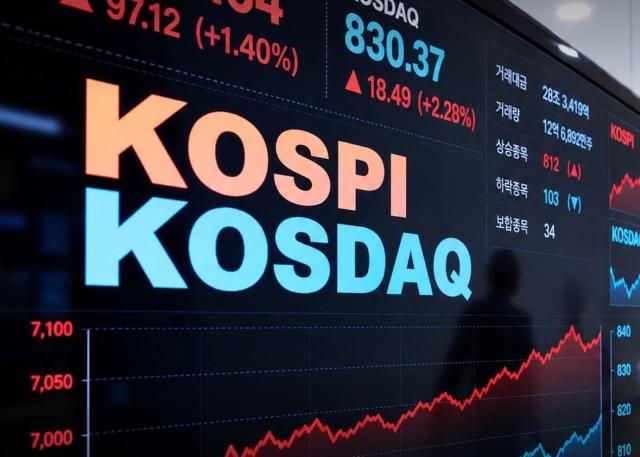
The new KRX session runs from 4 p.m. to 8 p.m. and replaces the previous after-hours system that matched orders every 10 minutes between 4 p.m. and 6 p.m. About 2,400 securities are available, roughly four times the 610 issues offered through NXT.
Market professionals expect the longer session to improve access for individual investors but have only a limited effect on broader market trends.
“The KOSPI and KOSDAQ will still be driven mainly by macroeconomic conditions and corporate earnings,” an analyst at Yuanta Securities told AJP. “The split between KRX and NXT matters less than whether new net buyers actually come into the after-hours market.”
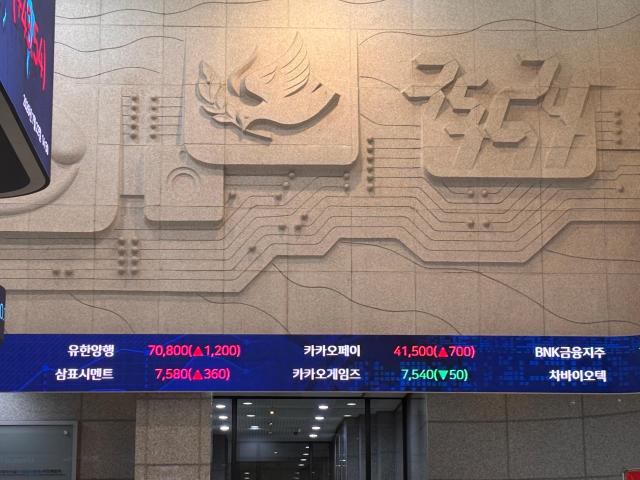
For some retail investors, however, the immediate concern is less about liquidity than how much more of the day the market could consume.
Jang, a 31-year-old office worker in Seoul who has put nearly all his savings into SK hynix and Samsung Electronics, said keeping stocks open longer did not feel like progress.
“One step closer to a 24-hour casino,” he said.
Lee Jeong-bin, an office worker in his 30s in Gangwon Province, worried that longer access could encourage already aggressive investors to take even greater risks.
“I’m terrified,” Lee said. “People are already borrowing money and even selling houses to invest. Longer trading hours could only make that worse and spill further into daily lives.”
The concern comes as stock investing has become an increasingly consuming part of daily life for some Koreans, particularly during periods of sharp market swings and heavy retail speculation.
Others welcomed the flexibility.
“It is much more convenient for retail investors,” said Jeong YM, a 29-year-old office worker in Seoul. “Office workers had difficulty trading their stocks because the market closed during the day. Now they can trade after work.”
Jeong said he even bought a book on investing as he plans to make greater use of the longer hours.
The evening session also gives investors a chance to react the same day to corporate disclosures and overseas market developments released after the regular 3:30 p.m. close.
The bigger structural question is whether KRX will generate new evening demand or simply divide existing liquidity with NXT.
The two venues now operate during largely overlapping hours, allowing investors to send orders for the same stocks to either market. If overall evening trading does not expand enough, less-active shares could end up with thinner buy and sell orders on each venue.
“Korea has limited demand compared with the United States,” the Yuanta analyst said. “For individual stocks, liquidity often needs to be concentrated for prices to gain momentum. If that liquidity is split between two markets, I am not sure that is necessarily a positive development.”
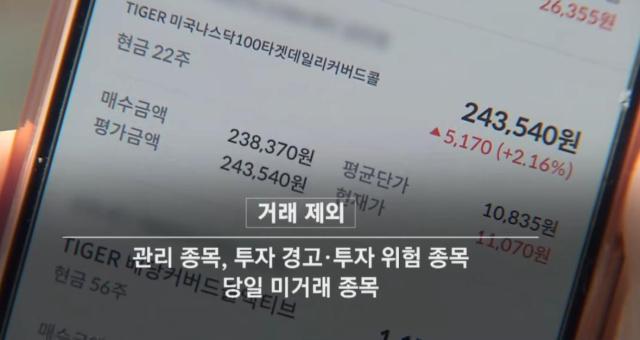
The impact will also depend on what investors hold.
Jeong mainly invests in exchange-traded funds, which are not included in the evening session, limiting the immediate effect on his own portfolio.
“Anyone still watching individual stocks after work is probably already pretty active in the market, so I think they will make up most of the people using the extended hours,” he said.
The Yuanta analyst also expects retail investors to dominate early evening activity rather than foreign or institutional investors.
“It will probably be driven mainly by individuals,” he said. “Foreign investors are less likely to shift heavily into the new evening stock session because futures, options and other major flows already follow their own trading schedules.”
KOSPI 200 futures and options already trade through a separate overnight derivatives market from 6 p.m. to 6 a.m., according to KRX. That timetable is unchanged by the new stock session.
Institutional and foreign investors therefore already have ways to manage exposure after the regular cash market closes, making the extension more consequential for retail traders than for large professional investors.
Evening stock trading itself is also not new. NXT was already operating until 8 p.m. before KRX entered the same time slot.
“KRX is essentially joining an evening market that already exists,” the Yuanta analyst said.
The test, then, is whether four extra hours bring in fresh demand or simply stretch existing retail activity across a longer day and another venue.
AJP Takeaways
- The Korea Exchange launched real-time stock trading from 4 p.m. to 8 p.m. on Sept. 14, expanding evening access to about 2,400 securities and replacing its previous 10-minute batch-matching system.
- The longer session gives office workers more flexibility but may also extend the psychological burden of trading, particularly for retail investors already heavily exposed to stocks or leveraged investment.
- Analysts question whether KRX will attract fresh money or merely split existing evening liquidity with Nextrade, which already operates until 8 p.m.

Copyright ⓒ Aju Press All rights reserved.
