SEOUL, October 04 (AJP) - South Korean financial authorities will convene an emergency meeting with industry leaders Sunday after a wave of suspected AI-assisted cyberattacks spread from major banks to savings banks and finance companies, exposing personal data and raising fears that more breaches may have yet to be detected.
Financial Services Commission Chairman Lee Eog-weon is scheduled to chair the meeting at 2 p.m., with Financial Supervisory Service officials, financial industry associations and executives from affected companies expected to attend. The meeting had initially been planned for Oct. 7 but was brought forward as new breaches emerged.
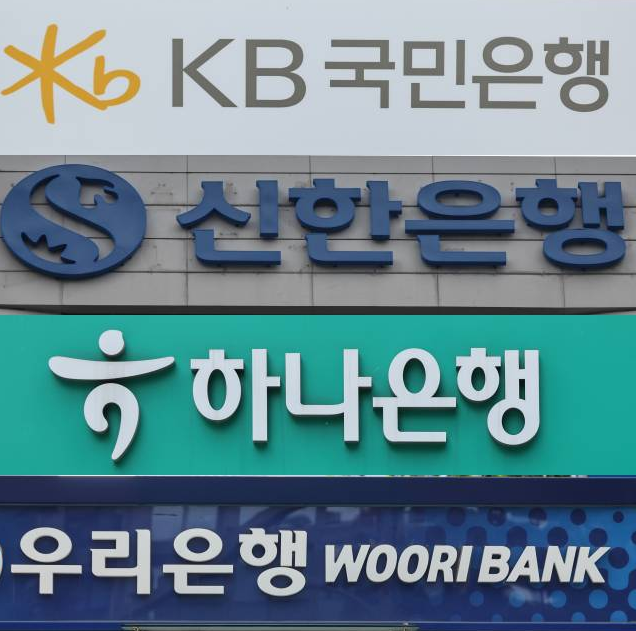
The attacks first surfaced at major banks. Shinhan Bank said information belonging to about 25,000 customers was exposed, while KB Kookmin Bank and Hana Bank reported breaches affecting 119 and 89 customers, respectively. BNK Busan Bank said personal information belonging to 11 outsourced developers was exposed.
The damage has since spread beyond commercial banks. Yegaram Savings Bank said a hacker accessed a server containing customer information, with roughly 40,000 people believed to have been affected. Hyundai Capital also found that a website containing information on 146 mortgage loan recruiters had been attacked, although the company said ordinary customer information and its internal systems were not compromised.
Woori Bank and NH NongHyup Bank were also targeted, but no customer information has so far been confirmed leaked. The attacks have largely focused on externally accessible systems, including sales-support and loan-recruiter platforms, rather than core banking networks.
Financial authorities suspect the incidents may be connected and have asked institutions to compare their access logs with IP addresses linked to the attacks. Officials have also said AI agents may have been used to automate vulnerability searches and penetration attempts, although the use of AI has not yet been conclusively established.
The latest incidents come after South Korea suffered a string of major data breaches beginning in 2025.
A hack of SK Telecom exposed USIM-related data belonging to 23.24 million users, including phone numbers, subscriber identity numbers and authentication keys. Lotte Card later disclosed that personal credit information belonging to 2.97 million customers had been stolen, with card passwords and security codes exposed for about 283,000 of them.
Game publisher Netmarble suffered a breach affecting about 6.11 million people, while e-commerce giant Coupang disclosed one of the largest leaks in Korean history. The Personal Information Protection Commission later determined that information belonging to about 37.55 million people had been compromised and imposed a record 624.68 billion won ($463 million) in fines.
The problem continued into 2026. Seoul's public bicycle service Ttareungi disclosed a breach affecting about 4.62 million users in July.
Government figures underline the broader trend. South Korea received 447 personal-data breach reports in 2025, up 45.6 percent from a year earlier, with hacking accounting for 62 percent of the cases.
AJP Takeaways
- South Korean financial authorities called an emergency meeting after suspected AI-assisted cyberattacks spread from major banks to savings banks and finance companies.
- Shinhan Bank, KB Kookmin Bank, Hana Bank, Yegaram Savings Bank and Hyundai Capital reported breaches or attacks, while authorities are investigating whether the incidents are connected.
- The attacks add to a broader cybersecurity crisis following major breaches at SK Telecom, Lotte Card, Netmarble and Coupang since 2025, exposing data belonging to tens of millions of people.
Copyright ⓒ Aju Press All rights reserved.