


Latest by
-
 BBQ Donates Over 10,000 Chickens to Local Communities by May 2026 Genesis BBQ Group has donated over 10,000 chickens to local communities through various charitable activities from January to May 2026. On June 15, BBQ announced that it contributed more than 10,000 chickens through programs such as 'Chicken University Good Donation,' 'Family Chicken Relay,' and 'Visiting Chicken Relay' during this period. The Chicken University Good Donation program, which began in 1999, is BBQ's flagship social contribution initiative, now in its 27th year. It involves franchise owners and employees who participate in the Chicken University training program cooking and delivering chicken to vulnerable groups and welfare facilities. By the end of May, BBQ had delivered chicken to vulnerable populations in Icheon, Seongnam, Hanam, and Gwangju through the Gyeonggi Province branch of the Korean Red Cross. Recently, the support has expanded to include children's and disability welfare facilities, with donations made to organizations such as Icheon Seong-ae Won and Eliel Dongsan. In recognition of these efforts, BBQ Chicken University was elevated to the 'Hall of Fame' by the Gyeonggi Province branch of the Korean Red Cross in March. Since signing an agreement in 2024, BBQ has donated approximately 220 million won over two years, with over 100 million won contributed in 2025 alone. The 'Family Chicken Relay,' a collaborative social contribution initiative involving both the headquarters and franchise owners, has also been conducted nationwide. The headquarters provides fresh chicken, which franchise owners prepare and deliver. In May, franchise owners across Seoul, Gyeonggi, Gangwon, Chungcheong, Jeolla, and Gyeongsang regions participated, delivering a total of 2,000 chickens to community welfare centers, disability and senior welfare facilities, and local children's centers. BBQ has also continued its 'Visiting Chicken Relay,' which involves reaching out to locations in need based on submitted requests. In celebration of Family Month, BBQ visited Jeongseon Jungsan Elementary School, Icheon Seong-ae Won, the Icheon City branch of the Korean Senior Citizens Association, and the Korean Global Chef High School to deliver chicken. A BBQ representative stated, "Through various social contribution activities such as Chicken University Good Donation, Family Chicken Relay, and Visiting Chicken Relay, we are spreading warmth throughout the community this year. We will continue to monitor areas in need and expand our charitable activities as a company that coexists with the community."* This article has been translated by AI. 2026-06-15 15:21:00
 -
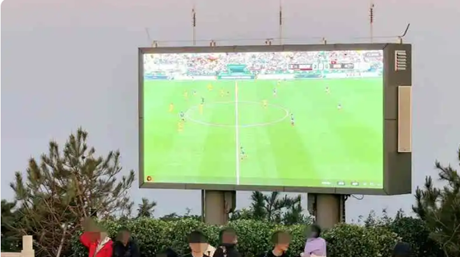 China Embraces 'Morning World Cup' Culture Amid Time Zone Differences On June 12, at the Nantiemen (South Heaven Gate) on the summit of Taishan in Shandong Province, hikers and soccer fans gathered in front of a large screen to watch the opening match of the North America World Cup between Mexico and South Africa while waiting for the sunrise. This scene was shared on China's social media platform Xiaohongshu. As the World Cup takes place in North America, which is over 10 hours behind China, a new viewing culture known as the "Morning World Cup" has emerged in the country. The installation of the large screen at the summit of Taishan was an initiative by the local tourism management committee. The screen will broadcast major matches live every day from midnight to 6 a.m. until the tournament concludes on July 20. Many Chinese expressed excitement, saying, "It’s special to be able to watch the World Cup while enjoying the sunrise at Taishan," and, "I want to create memories by climbing Taishan on the day of the World Cup final." In southern regions like Guangdong, where the 'zhaocha' (morning tea) culture is well-developed, the World Cup viewing experience is different. According to the Guangzhou Daily, "Watching World Cup broadcasts on large screens while enjoying morning tea has become a new routine in Guangzhou this summer." Local restaurants and tea houses have set up large screens to broadcast the World Cup matches, allowing customers to enjoy their morning tea while watching the games. Some bars have even adjusted their opening hours to accommodate morning viewers. Most of the customers are reportedly middle-aged men. A Guangzhou resident who has been watching the World Cup since 1986 said, "This is my first time watching the World Cup while having morning tea. It feels much more comfortable and healthier than staying up late drinking alcohol to watch the matches." Although the Chinese national team failed to qualify for this year's World Cup, enthusiasm for the tournament remains high among Chinese fans. On the opening day of the North America World Cup, the viewership for the match between South Korea and the Czech Republic, broadcast live by China Central Television (CCTV), reached a rating of 1.4%, with a peak of 1.9%, making it the highest-rated program in its time slot. In China, where there are over 40 satellite channels, a viewership rating above 1% is considered successful. Local media noted that this outcome defied expectations that ratings would be low due to the time difference. However, some analysts pointed out that this rating is lower compared to the 3-4% levels recorded during the 2022 Qatar World Cup. Singapore's Lianhe Zaobao noted, "The Qatar World Cup took place as China's COVID-19 lockdowns were nearing an end, and inter-regional travel was still restricted, which likely intensified interest in the tournament at that time." 2026-06-15 15:21:00
 -
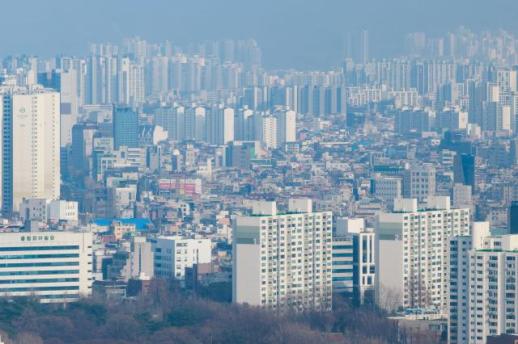 Seoul Apartment Prices Exceed 60 Million Won per Pyong Amid Supply Shortage The average sale price of private apartments in Seoul has surpassed 60 million won per pyong (approximately 3.3 square meters) for the first time in history. This increase is attributed to the ongoing supply of high-priced units in key areas of the city. According to the Korea Housing & Urban Guarantee Corporation (HUG) on June 15, the average sale price of private apartments in Seoul reached 19.22 million won per square meter as of May. When converted to a per pyong basis, this amounts to 63.55 million won, marking an 8.85% increase from the previous month. This is the highest level recorded since HUG began compiling related statistics. HUG's monthly average sale price reflects not only the prices of units sold in that month but also the average sale price of private development projects that received sale guarantees over the past 12 months. As a result, the prices of some high-priced units have significantly raised the average. HUG noted that the high sale prices of two complexes supplied in the Dongjak District last month contributed to this statistic. Industry experts suggest that if additional projects in the Gangnam area and along the Han River are launched, the average sale price in Seoul could rise further. Nationally, sale prices continued to climb as well. In May, the average sale price of private apartments across the country was 6.475 million won per square meter, a 4.00% increase from the previous month. On a per pyong basis, this reached 21.41 million won, setting a new record. In the metropolitan area, the average sale price was 1.1081 million won per square meter, up 5.35% from the previous month. Conversely, new supply has decreased. In May, the number of private apartments offered for sale nationwide was 4,828 units, a drop of 16,292 units from the previous month. In Seoul, 717 units were offered, an increase of 478 units, but the total for the metropolitan area fell to 2,954 units, down 3,194 units. The supply in regional areas also showed a significant decline. Industry analysts believe that rising construction costs and deteriorating project viability are constraining new supply, while sale prices continue to rise, increasing the burden on homebuyers.* This article has been translated by AI. 2026-06-15 15:18:00
 -
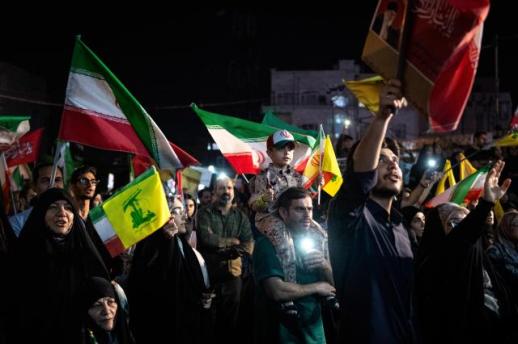 Understanding the U.S.-Iran Conflict: A Clash of Civilizations On June 15, 2026, the United States and Iran declared an end to a 106-day war. On the surface, it appeared to be a victory for the U.S., given its status as the world's strongest military power and Iran's long-standing economic sanctions. The U.S. deployed aircraft carrier strike groups, stealth fighters, satellites, and AI-based intelligence systems, while Israel contributed its formidable military capabilities in the region. In contrast, Iran had been under severe economic sanctions and international isolation. However, history is not always explained by numbers alone. Wars are not solely determined by weaponry; a nation's history, culture, religion, spirit, and collective memory often shape the outcome. This was true in the Vietnam War, the Afghanistan War, and the Iraq War, and it holds for the current conflict with Iran as well.The first realization when observing this war is that the U.S. did not fully understand Iran. The U.S. viewed Iran as a theocratic state that emerged after the 1979 Islamic Revolution. However, Iran is more than just a theocracy; it is Persia, one of the oldest and most resilient civilizations in human history. The U.S. is a relatively young nation, founded 250 years ago, while Iran has a civilization that has thrived for 5,000 years alongside Mesopotamian culture. The U.S. possesses the power to dominate the world, but Iran has the experience of witnessing the rise and fall of numerous empires over millennia. The current war can be seen as a clash between a modern superpower and an ancient civilization.To understand Iran's roots, one must grasp the significance of Cyrus the Great. Emerging in the 6th century B.C., Cyrus II was not merely a conqueror; he unified Media and Lydia and conquered Babylon, establishing the Achaemenid Persian Empire. For Americans, George Washington is the founding father; for Iranians, Cyrus the Great is the nation's founder and architect of civilization. His legacy as a great monarch is defined not by military might but by tolerance. He allowed the Jewish people, held captive in Babylon, to return and supported the rebuilding of the Jerusalem Temple. As a result, Jews still remember him as a liberator, and he is regarded as a special monarch in the Old Testament.While most empires suppressed the religions of conquered peoples and destroyed their cultures, Persia took a different approach. It recognized the religions and traditions of various ethnic groups. The 'Cyrus Cylinder,' considered one of the earliest declarations of human rights, reflects this governance philosophy. This is why Iranians see themselves not merely as a state but as a civilization-building nation. The U.S. believed it was facing military power in this war, but it was actually confronting a civilization's pride built over thousands of years.Another historical trait of Persia is its resilience. While Rome symbolizes Western civilization, it could not conquer Persia. The rivalry between Persia and Rome lasted nearly 700 years through the Parthian and Sassanian dynasties. Roman general Crassus suffered a crushing defeat at the Battle of Carrhae, and although Emperor Trajan occupied Mesopotamia, he could not maintain control. Later, the Eastern Roman Empire and Sassanian Persia also faced off for centuries, with no clear victor. However, the crucial fact is that Persia survived. In the collective unconscious of modern Iranians lies a historical pride: 'If Rome could not conquer us, can the U.S. do so?'Persia's strength was not solely military; commerce and diplomacy were also significant assets. Goods such as silk and paper from China's Chang'an, spices and jewels from India, and gold and silver from Rome all passed through Persia. The Silk Road was not just a trade route but a vital artery for cultural exchange. Persian merchants learned languages, understood cultures, and connected Eastern and Western civilizations. Today, while Iranian diplomacy may appear hardline, it is grounded in a pragmatic approach to negotiations. They prioritize calculation over emotion, having learned through thousands of years of history that even wars must ultimately conclude with negotiations.The biggest mistake the U.S. made in this war was viewing Iran solely as it exists today. The U.S. saw Iran as a nation formed after the 1979 revolution, but Iran existed before the revolution and will continue to exist after it. The U.S. perceived Iran as a religious state, but it is, first and foremost, a civilization. The U.S. regarded Iran as a regional power in the Middle East, while Iran sees itself as the heir to Persian civilization. This difference is more significant than it may seem. States can be defeated, and regimes can collapse, but civilizations do not easily vanish. Alexander the Great passed, the Arab Empire faded, and the Mongol Empire declined. Britain and Russia have also come and gone. Yet Persia remains.The 106-day war has ended. However, the conclusion of the war does not mean that everything is over. In fact, the real questions begin now. What has made Iran so resilient? Why has this country not collapsed despite numerous invasions, sanctions, wars, and revolutions? The answer lies not simply in military or economic power. It is found in the flames of Zoroastrianism, the martyrdom spirit of Shia Islam, and the unique national system created by the 1979 revolution.The U.S. saw missiles, but Iran saw history. The U.S. thought in four-year election cycles, while Iran thought in terms of centuries of civilization. That difference was the essence of this war.While the war has ended, Persia endures—as the land of Cyrus the Great, the nation that stood against Rome, the civilization that dominated the Silk Road, and a civilization that will not easily fade away. 2026-06-15 15:18:00
 -
 Opposition hits post-election high as Lee's ratings continue to slide SEOUL, June 15 (AJP) - South Korea's main opposition gained further ground in the aftermath of the June 3 local elections, recording its strongest support since former President Yoon Suk Yeol's impeachment and President Lee Jae Myung's victory in the subsequent snap election. A Realmeter survey found support for the conservative People Power Party (PPP) rose for a third straight week to 44.3 percent, its highest level since Lee took office, widening its lead over the ruling Democratic Party to 6.3 percentage points, outside the margin of error. The Democratic Party's support fell to 38.0 percent, slipping below 40 percent for the first time since the second week of August last year. At the same time, Lee's job approval rating dropped 3.7 percentage points from a week earlier to 51.5 percent, extending a monthlong decline that has erased nine percentage points from its mid-May peak of 60.5 percent. Negative assessments rose 3.2 percentage points to 44.2 percent, while 4.3 percent were undecided. Realmeter attributed the deterioration in public sentiment to lingering fallout from the June 3 local elections, including ballot shortages and vote-counting errors that have fueled criticism of the National Election Commission and triggered demands for investigations by civic groups and university students. The pollster also cited persistent economic pressures, including a weak won and elevated inflation, as weighing on the administration. The nationwide survey of 2,515 eligible voters aged 18 and older was conducted between June 8 and June 12 through automated mobile phone interviews. Realmeter said the PPP appeared to have broadened its appeal beyond its traditional base by attracting some centrist, progressive and younger voters after taking a hard-line stance on the election controversy, including calls for a parliamentary investigation and a special counsel probe into alleged election mismanagement. The ruling party's decline reflected growing criticism over its handling of the election outcome and intensifying internal divisions. Pressure has mounted on Democratic Party leader Jung Chung-rae, with several lawmakers openly questioning his leadership and calling for him to take responsibility for the result. Lawmakers Hwang Myung-sun and Lee Un-ju, both considered close to President Lee, have publicly raised concerns about Jung's leadership. During a closed-door caucus meeting on June 11, some lawmakers reportedly urged him to resign. Jung's supporters have countered that there are no grounds under party rules for his immediate departure and that he should remain in office until the party leadership race next month. Support for the minor Rebuilding Korea Party stood at 3.7 percent, followed by the New Reform Party at 2.8 percent and the Progressive Party at 1.2 percent. A protest in Seoul's Jamsil, triggered by the ballot shortage crisis in the June 3 local elections, entered its 11th day on Monday. 2026-06-15 15:16:50
 -
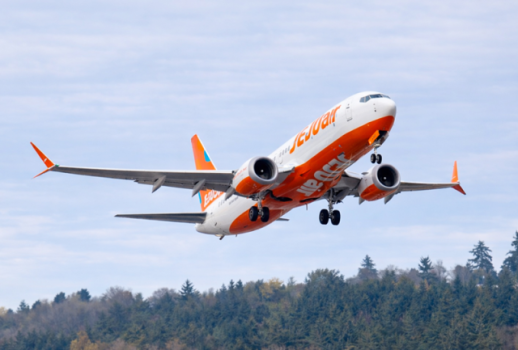 Jeju Air keeps lead among budget carriers SEOUL, June 15 (AJP) - Low-cost carrier Jeju Air carried more than 1 million passengers in May, maintaining its lead among budget carriers in South Korea, according to data released by the Ministry of Land, Infrastructure and Transport released on Monday. It carried 1.11 million passengers in May, up 7.6 percent from 1.03 million a year earlier, as demand rose around long weekends in early and late May including Children's Day and Buddha's Birthday, while short-haul international travel to Japan and Taiwan also increased. The number of domestic passengers totaled 424,036, up 1.9 percent from a year earlier, while international passengers rose 11.5 percent to 683,513. It became the only domestic budget carrier to exceed 1 million passengers every month in the first five months of this year, carrying 5.5 million passengers in total, up 19.8 percent from a year earlier and the highest among LCCs. It accounted for 23.3 percent of the no-frills market, meaning about one in four budget travelers flew with the carrier. The carrier, in particular, saw demand increase on short-haul international routes linking Jeju with Tokyo, Taipei and Weihai, as travelers sought relatively affordable destinations. To meet demand, Jeju Air has expanded capacity with four additional daily round trips between Gimpo and Jeju since late March and has been operating trial flights linking Incheon and Jeju since late last month. It will also increase flights from Incheon to Tokyo from 45 a week in July to 49 in August, while flights to Fukuoka will rise to 34 from August. 2026-06-15 15:15:20
 -
 Retirement Pension Market Shifts as Shinhan Bank Overtakes Samsung Life The retirement pension market, now exceeding 500 trillion won, is experiencing significant changes. With banks holding over half of the total pension assets, Shinhan Bank has overtaken Samsung Life to become the leading financial institution for the first time in 20 years. Meanwhile, securities firms are emerging as strong competitors, intensifying the race for capital. According to the Financial Supervisory Service on June 15, the total retirement pension assets at the end of the first quarter were 264.12 trillion won for banks, 141.68 trillion won for securities firms, and 102.93 trillion won for insurance companies. While the overall rankings by sector remained unchanged, Shinhan Bank recorded 54.73 trillion won, surpassing Samsung Life's 53.48 trillion won for the first time. This marks the end of Samsung Life's dominance, which has lasted since the introduction of the system in 2005. Shinhan Bank's rise to the top is attributed to the growth of defined contribution (DC) and individual retirement pension (IRP) plans. In contrast, Samsung Life, which has a higher proportion of defined benefit (DB) plans, saw its DB assets decline by over 1 trillion won in the first quarter, resulting in the loss of its top position. Securities firms have shown the fastest growth. In the first quarter, the growth rate of retirement pension assets for securities firms was 31.7%, compared to 1.4% for banks and around 0% for insurance companies. Funds are shifting to securities firms, which offer a wider range of investment products, leading to a widening gap in growth among sectors. Recently, a pre-transfer inquiry service for retirement pension assets has further accelerated the movement to securities firms. This service allows members to check the transferability of their holdings in advance, reducing uncertainty in the process of switching financial institutions. Securities firms provide more options for performance-based products, such as exchange-traded funds (ETFs), and allow real-time trading, making them relatively advantageous during market upswings. For instance, Mirae Asset Securities saw an influx of 4.34 trillion won in retirement pension assets in the first quarter alone, accounting for 36.4% of the total new inflows in the market. Mirae Asset's combined DC and IRP assets reached 36.78 trillion won, making it the leader in the financial sector. The next battleground is expected to be the fund-type retirement pension. The government plans to finalize specific implementation measures next month and push for related legal amendments within the year. Unlike the current system where individual members select their products, the fund-type structure pools contributions into a single fund managed by experts. If implemented as currently discussed, large asset management firms and securities companies with experience in pension funds and outsourced chief investment officer (OCIO) services are expected to have an advantage. A financial industry official stated, “While the specific participation methods have yet to be confirmed, asset management companies are showing high interest in the fund-type retirement pension market. If large firms with experience in pension funds and OCIO services participate, they will likely demonstrate competitiveness based on their expertise.”* This article has been translated by AI. 2026-06-15 15:15:00
 -
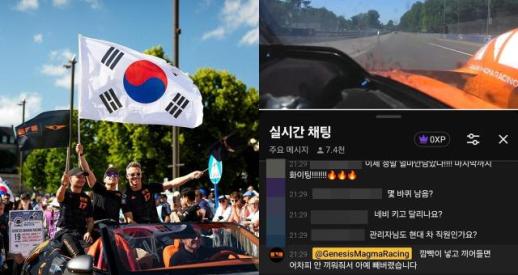 Genesis Magma Racing Completes Iconic Le Mans 24-Hour Race Genesis Magma Racing has garnered significant attention from domestic motorsports fans after successfully completing the prestigious Le Mans 24-Hour endurance race.The Le Mans 24 Hours is an extreme race held at the Circuit de la Sarthe in France, where teams must race continuously for 24 hours. It is not merely a speed competition; it tests the durability of the vehicles, the operational capabilities of the teams, and the focus of the drivers.In this year's event, Genesis Magma Racing endured the grueling conditions and achieved completion. Many fans in South Korea have praised this accomplishment, stating that a Korean brand has set a meaningful milestone in one of the world's top endurance races.The official YouTube live broadcast during the race also attracted considerable interest.The account manager engaged with viewers through real-time chat while sharing onboard camera footage. Viewers sent supportive messages such as, "How many laps are left?", "Let's finish without pushing too hard", and "Keep fighting until the end".In response to questions about the equipment visible on the vehicle, the official account manager humorously stated, "What looks like an antenna is indeed an antenna." Regarding the lengthy broadcast, they joked, "I can't sleep because of the dopamine." When asked about the vehicle's system, they cleverly replied, "There is no autonomous driving feature."Many viewers expressed admiration for the account manager's engaging communication, noting, "It's a 24-hour race, yet the manager is really keeping up with the banter for the entire duration."Other viewers commented, "The car completed the race, and so did the manager," and praised the channel as the most entertaining among domestic automotive brands, highlighting the exciting atmosphere of the race and the chat.The successful completion of the Le Mans 24 Hours not only showcased Genesis Magma Racing's competitiveness but also fostered a new culture of motorsports communication with fans. For those who watched the broadcast throughout the night, the manager's lively interaction became an additional source of enjoyment alongside the race itself.* This article has been translated by AI. 2026-06-15 15:12:00
 -
 Central Group's Corporate Card Usage Halted Amid Bankruptcy Proceedings Central Group's bankruptcy proceedings have led to a suspension of corporate card usage among its employees. On June 15, financial sources reported that Samsung Card temporarily halted all corporate card transactions for Central Group. At its subsidiary JTBC, both Samsung Card and Hyundai Card corporate card usage have been stopped. Other corporate cards, including those from Hana and Shinhan, are also expected to be suspended in the near future. The suspension of corporate card usage is seen as a risk management measure by financial institutions in response to Central Group's bankruptcy filing. Previously, on June 12, JTBC declared a default after failing to repay 20.6 billion won in maturing asset-backed loans. Following this, Central Group subsidiaries Contentree Central and Megabox Central filed for bankruptcy proceedings in court. When bankruptcy proceedings commence, financial institutions often adjust their credit offerings conservatively to manage the risk of debt recovery. Corporate cards, which provide credit to businesses up to a certain limit, may face usage suspensions or limit reductions for companies undergoing bankruptcy proceedings. A representative from the card industry stated, "It is common for financial institutions to operate credit transactions conservatively to protect their claims after a bankruptcy filing. The restrictions on corporate card usage are part of standard risk management practices." 2026-06-15 15:12:00
 -
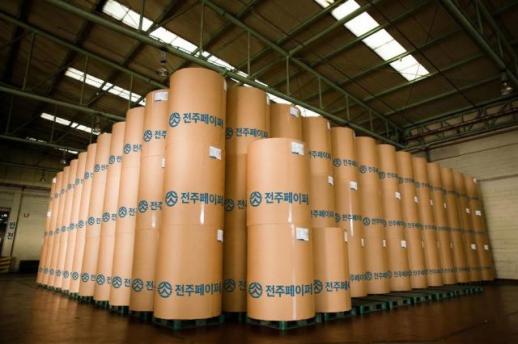 Global SeAH Reports 730 Billion Won Operating Profit for Paper Division in May The integration effects of Global SeAH Group's paper subsidiaries are becoming evident. According to the company on June 15, the cumulative sales of its paper subsidiaries reached 904 billion won in May, a 7% increase compared to the same period last year, while operating profit surged to 73 billion won, more than doubling. This performance includes results from Taelim Paper and Taelim Packaging, acquired in 2020, as well as Jeonju Paper, purchased two years ago, along with its energy subsidiary Jeonju Won Power, Jeonju Power, and the logistics company Donglim Logistics. The company attributed these results to innovations in production structure, personnel and technology exchanges, cost structure improvements, and the development of eco-friendly, high-value-added products. Global SeAH Group plans to continue leveraging these integration effects, aiming for sales of 2.2 trillion to 2.3 trillion won and operating profit of 190 billion to 200 billion won in the paper sector this year. These figures represent increases of over 10% and 200%, respectively, compared to last year. A company representative stated, "The improvement in the performance of our paper subsidiaries signifies a structural growth foundation established through synergy and innovation. We aim to further enhance this and increase our market share by boosting competitiveness."* This article has been translated by AI. 2026-06-15 15:09:00