


Latest by
-
 US declares a peace deal with Iran "complete", reopening of Hormuz SEOUL, June 15 (AJP)-The United States and Iran have agreed to end their war and reopen the Strait of Hormuz, Pakistani Prime Minister Shehbaz Sharif and U.S. President Donald Trump announced Sunday, a breakthrough that would close a conflict running since late February and restore a waterway critical to global oil supply. An official signing is set for Friday in Switzerland. The precise terms were not immediately confirmed, and the agreement has yet to be signed. Iran Trump declared the deal "complete" on his Truth Social platform shortly after Sharif's announcement, saying he had authorized the toll-free opening of the strait and the immediate removal of the U.S. naval blockade of Iranian ports. The pact calls for the immediate and permanent termination of military operations on all fronts, including in Lebanon, Sharif said. Iran's Deputy Foreign Minister, Kazem Gharibabadi, confirmed the Friday signing in Geneva in remarks to state television, matching the timeline set out by Pakistan, a key mediator. He said last-minute negotiations mediated by Qatar ran about 15 hours and that both sides had approved revisions to the text. Under the draft deal, according to sources cited by Reuters, the U.S. would release $25 billion in frozen Iranian assets, while Iran would halt uranium enrichment and any expansion of nuclear facilities until a final agreement is reached over a 60-day period of further talks. The draft would also end the US blockade of Iranian ports and extend a ceasefire. The agreement was struck despite an Israeli strike on the southern suburbs of Beirut on Sunday, which Israel said targeted Hezbollah and which drew criticism from both Iran and Trump. Iran held the United States responsible for the attack and warned of a "strong response." Iranian negotiator Mohammad Baqer Qalibaf said the strike showed Washington lacked "the will and ability to fulfill" its commitments. "This morning's attack on Beirut should not have happened, particularly on a special day when we are so close to a Peace Deal with Iran," Trump said in a separate post Sunday. Israel has said it was not party to the planned US-Iran deal. Prime Minister Benjamin Netanyahu has differed with Trump over U.S. demands that Israel curb its military action in Lebanon. The conflict between Israel and Iran-aligned Hezbollah in Lebanon was reignited by the start of the U.S.-Israeli war against Iran in February. The U.S. imposed its naval blockade of Iranian ports on April 13, after talks in Islamabad collapsed, while Iran had closed the Strait of Hormuz at the war's outbreak in late February. 2026-06-15 07:29:29
 -
 Japan Secures Valuable Point Against Netherlands in World Cup Opener Japan earned a valuable point against the strong Netherlands in their opening match of the 2026 FIFA North America World Cup. Japan, ranked 18th by FIFA, drew 2-2 with the 8th-ranked Netherlands on June 15 at the Dallas Stadium in Texas. The first half saw the Netherlands dominate, but Japan's goalkeeper, Zion Suzuki, made several key saves to keep the score level at halftime. The deadlock was broken in the second half when Virgil van Dijk scored with a header for the Netherlands in the 50th minute. However, Japan quickly responded, with Keito Nakamura equalizing just six minutes later. The Netherlands regained the lead with a goal from Cresencio Summerville, but Japan refused to give up. In the 88th minute, Daichi Kamada scored with a header from a corner kick, leveling the match at 2-2. The game ended in a draw, allowing Japan to secure a crucial point against a team considered a favorite to win the tournament, giving them a positive start in the group stage.* This article has been translated by AI. 2026-06-15 07:18:00
 -
 Germany Dominates Curaçao 7-1 in World Cup Opener Germany showcased its strength as a title contender by defeating Curaçao 7-1 in their opening match of the 2026 FIFA North America World Cup. On June 14, in a Group E match at Houston's NRG Stadium, Germany was led by Kai Havertz, who scored two goals. Dennis Undav contributed with one goal and two assists, while Joshua Kimmich provided two assists to help secure the victory. Germany took an early lead with a goal from Felix Nmecha in the sixth minute, but Curaçao equalized in the 21st minute with a goal from Livano Comenencia, marking the team's first-ever goal in a World Cup finals. Germany responded with a header from Nico Schlotterbeck and a penalty kick from Havertz, finishing the first half with a 3-1 lead. In the second half, Jamal Musiala, Nathaniel Brown, Undav, and Havertz added to the scoreline, demonstrating Germany's dominance throughout the match. Ultimately, Germany's balanced attack featured six different scorers, confirming their status as a strong title contender with this decisive victory. Meanwhile, despite the heavy loss, Curaçao, the smallest nation by population (approximately 150,000) to qualify for a World Cup, made history by scoring their first-ever goal in the tournament against Germany.* This article has been translated by AI. 2026-06-15 07:09:00
 -
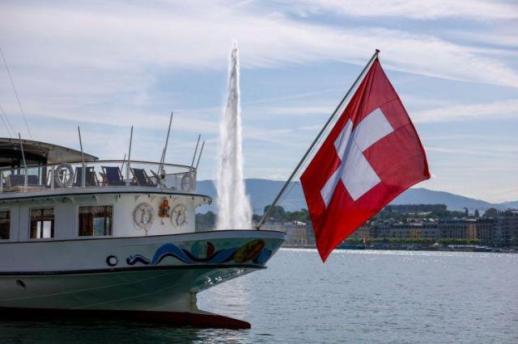 Swiss Vote Rejects Population Cap of 10 Million, Halting Immigration Limits A proposal to limit Switzerland's population to under 10 million by 2050 was rejected in a national referendum. According to Reuters and the Associated Press, Swiss voters on June 14 rejected the "No to 10 Million Swiss" proposal, with approximately 55% opposing and 45% supporting it. The voter turnout was about 59%. The proposal aimed to keep the resident population below 10 million by 2050. If the population reached 9.5 million before that date, the government and parliament would have to implement restrictions in areas affecting population growth, such as refugee acceptance, family reunification immigration, and residence permits. Led by the right-wing Swiss People's Party (SVP), the proposal argued that an influx of external population burdens infrastructure in transportation, healthcare, and education, leading to rising rental costs and a dilution of national identity. Switzerland's current population is about 9.1 million. Since the introduction of free movement of labor with the European Union in 2002, the population has increased by approximately 1.7 million, with foreigners making up about 28% of the total population. If current trends continue, Switzerland's population is expected to exceed 10 million by the early 2040s. The government and business sectors opposed the proposal, arguing that immigration restrictions would hinder the availability of skilled labor across various industries, including healthcare, caregiving, finance, pharmaceuticals, and technology, and could disrupt relations with the EU, its largest trading partner. Concerns were raised that exceeding a population of 10 million could lead to the termination of the free movement agreement with the EU. As a result, some referred to this vote as Switzerland's version of a "Brexit." Voting results varied by region. Rural areas showed relatively more support for the proposal, while major cities like Geneva and the French-speaking western regions had a majority opposing it, leading to the overall rejection. Although the proposal was defeated, the 45% support indicates that political debates surrounding immigration, housing costs, and public infrastructure pressures are likely to continue. Meanwhile, another measure voted on the same day, which makes it more difficult to choose civilian service over military service, was approved. Switzerland, which operates a conscription system, has been tightening the requirements for switching to alternative service in light of growing security concerns in Europe.* This article has been translated by AI. 2026-06-15 07:03:00
 -
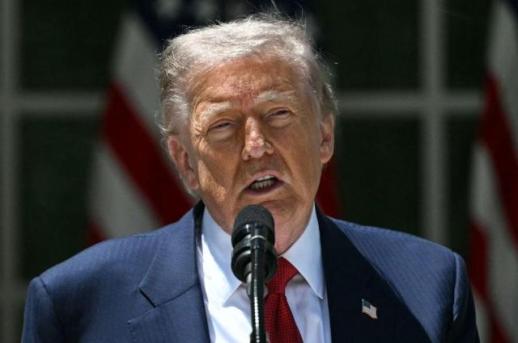 Trump Secures Peace Agreement with Iran on His Birthday President Donald Trump announced on June 14 that he has officially ended the conflict with Iran, coinciding with his birthday. According to reports from Axios and other outlets, Pakistani Prime Minister Shehbaz Sharif expressed his satisfaction on social media platform X, stating, "After intensive discussions, I am pleased to announce that the peace negotiations between the United States and the Islamic Republic of Iran have been concluded." He added that both sides declared an immediate and permanent cessation of military operations, which includes Lebanon. Sharif also mentioned that the signing of the agreement is scheduled for June 19 in Switzerland. On the same day, Trump took to his social media platform Truth Social to declare, "The negotiations with the Islamic Republic of Iran are completely finished. I now approve the full opening of the Strait of Hormuz and lift the blockade by the U.S. Navy." He specifically referred to Iran as the "Islamic Republic of Iran" in his post. The day before, Trump had announced that the full opening of the Strait of Hormuz and the agreement with Iran would be signed on June 14. Although Iran initially claimed it had not agreed to a specific date, both nations ultimately reached a peace agreement on that day. However, the so-called "birthday peace agreement" faced last-minute challenges. On June 14, Israel launched an attack on Hezbollah in Lebanon, which nearly derailed the ceasefire efforts. The Israeli military stated that the attack targeted Hezbollah facilities in the southern outskirts of Beirut. Mohammad Baqer Qalibaf, the head of the Iranian negotiating team, accused the U.S. of lacking the will or ability to fulfill its commitments. Iran had previously demanded a halt to Israeli attacks on Lebanon as a precondition for a peace agreement. Earlier that morning, Trump criticized Israel on Truth Social, stating, "The attack on Beirut should not have happened, especially on such a special day when we are very close to signing a peace agreement with Iran." He emphasized that while Israel has the right to defend itself, the attack was minor and resulted in no injuries or fatalities, and should not interfere with the crucial process of achieving a ceasefire with Iran. Despite the Israeli attack, negotiations continued behind the scenes. According to Fars News, the Iranian government reviewed the memorandum of understanding with the U.S. Additionally, a mediation team from Qatar arrived in Tehran on June 14 to continue discussions, as reported by Reuters. With the negotiations concluded, Trump is expected to address his stance on the peace agreement during a UFC event scheduled for 8 p.m. at the White House. The New York Times estimates that hosting the UFC event at the White House cost approximately $60 million. 2026-06-15 07:00:00
 -
 Trump Announces Completion of Agreement with Iran, Approves Opening of Hormuz Strait Donald Trump, President of the United States, announced that an agreement with Iran has been finalized. His statement came shortly after Pakistan's Prime Minister revealed that the U.S. and Iran had reached a peace agreement, which is set to be officially signed on June 19 in Switzerland, raising hopes for a reduction in Middle Eastern tensions. On his social media platform, Truth Social, Trump wrote on June 15, "The agreement with the Islamic Republic of Iran is now complete. Congratulations to everyone involved." He added, "I fully approve the free opening of the Hormuz Strait and simultaneously authorize the immediate lifting of the U.S. maritime blockade." Trump urged, "Vessels around the world, start your engines. Let the oil flow." The Hormuz Strait is a critical route for global oil transportation. Following tensions between Iran and the U.S., restrictions on navigation through the strait and the U.S. maritime blockade had contributed to instability in international oil prices and shipping markets. However, it remains unclear whether the Iranian government has confirmed the completion of the agreement and the lifting of maritime measures at the same level as Trump’s announcement. Further clarification is needed regarding the details of the agreement, the signing process, and the timeline for normalizing navigation through the Hormuz Strait. 2026-06-15 06:51:00
 -
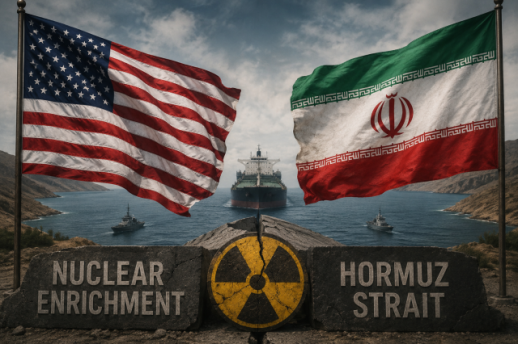 Pakistan Prime Minister Announces US-Iran Peace Agreement, Signing Set for June 19 in Switzerland Reuters reported on June 15 that the United States and Iran have reached a peace agreement. Amid growing concerns that military clashes between the two nations could escalate across the Middle East, Pakistan's Prime Minister publicly announced the details of the agreement and the signing schedule. Prime Minister Shahbaz Sharif stated early on June 15 via X (formerly Twitter) that "the United States and Iran have reached a peace agreement." He revealed that the official signing ceremony is scheduled for June 19 in Switzerland. Sharif noted, "Both sides have declared an immediate and permanent end to military operations on all fronts, including Lebanon." This announcement comes as tensions between the U.S. and Iran have raised fears of escalation in surrounding areas, including Lebanon. It is reported that both sides have engaged in direct and indirect contacts to ease military tensions and seek an end to hostilities. Pakistan has been recognized as one of the countries playing a mediating role in these negotiations. Sharif's announcement indicates that the agreement has progressed beyond the drafting stage to the official signing process. However, Reuters noted that there has been no separate confirmation from the White House or the Iranian government regarding the details of the agreement. If the agreement leads to an actual signing, it could signal a de-escalation of military tensions not only between the U.S. and Iran but also in the broader Middle Eastern region, including the Lebanon front. 2026-06-15 06:45:00
 -
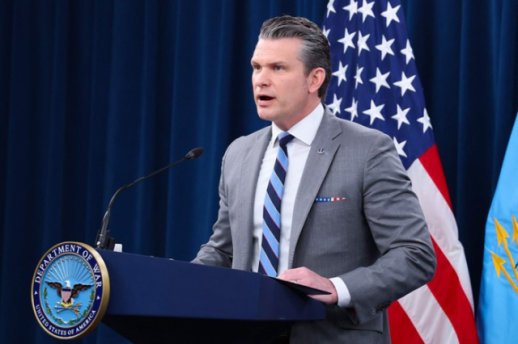 U.S. Defense Secretary Warns of Military Response if Iran Violates MOU Pete Hegseth, the U.S. Secretary of Defense, warned that military action could resume if Iran fails to adhere to the ceasefire memorandum of understanding (MOU) with the United States. As the two nations approach an agreement, Washington has made it clear that it will continue to pressure Iran for compliance even after the deal is finalized. In an appearance on CBS on June 14, Hegseth stated, "If Iran does not comply with the agreement, they will have to face the military again." He added, "We do not want that, and neither does President Trump," while asserting that Iran has suffered damage to its military and air defense capabilities due to recent U.S. airstrikes. Hegseth noted that the MOU prohibits Iran from possessing, pursuing, or acquiring nuclear weapons. He stated, "If the agreement is finalized, the U.S. can work with Iran to eliminate or dilute highly enriched uranium, ensuring that Iran will not retain that material." He explained that this process may involve U.S. military or other forms of American involvement. According to Reuters, citing a senior Iranian official, the draft of the MOU includes provisions for Iran's nuclear disarmament, the immediate reopening of the Strait of Hormuz, the lifting of U.S. maritime sanctions against Iran, a waiver on oil sanctions, and the release of $25 billion in frozen assets. The U.S. has also agreed to a plan for diluting highly enriched uranium within Iranian territory, with detailed procedures to be discussed in follow-up negotiations scheduled for 60 days after the MOU is signed. However, U.S. officials clarified that Iran would not receive the return of frozen assets or sanctions relief immediately upon signing the MOU. A senior U.S. official explained, "Iran must fulfill its obligations regarding the transfer of nuclear materials and the dismantling of its nuclear program to receive any economic benefits, as the agreement is structured based on compliance outcomes." Hegseth also stated, "The U.S. military posture will remain at a level that pressures Iran for compliance during the 60 days following the MOU."* This article has been translated by AI. 2026-06-15 06:30:00
 -
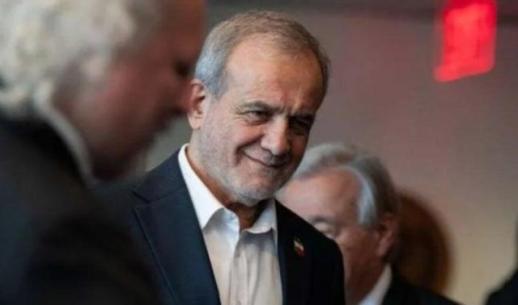 Iran President Calls for Continued Dialogue with U.S. Amid Hardliner Opposition Masoud Pezeshkian, the President of Iran, has publicly emphasized the need for ongoing dialogue with the United States. As negotiations for a ceasefire memorandum of understanding (MOU) enter their final stages, he has made it clear that he intends to maintain the negotiation stance despite opposition from hardliners within Iran. According to AFP, President Pezeshkian stated during a meeting with media representatives on June 14, "The Supreme National Security Council (SNSC) has concluded that the path of dialogue must continue." He underscored that decisions regarding war and negotiations rest with the SNSC. His remarks come amid criticism from hardliners regarding the negotiation team’s approach to the ceasefire talks with the U.S. The hardline faction argues that the proposed agreement may not adequately address key demands, such as guarantees for sanctions relief, compensation for war damages, and control over the Strait of Hormuz. The SNSC is Iran's highest security policy body, coordinating defense, foreign, and security policies. It is chaired by the President and includes the Speaker of Parliament, the head of the judiciary, the Foreign Minister, the Interior Minister, military leadership, the Islamic Revolutionary Guard Corps (IRGC) command, and representatives from the Supreme Leader's office. Decisions made by the council require the Supreme Leader's approval to take effect. By highlighting the SNSC's conclusion, President Pezeshkian appears to be signaling that the dialogue with the U.S. is not merely a personal decision but rather a result of official discussions among Iran's power elite. This message aims to reassure both domestic and international audiences that Iran will not abandon the negotiation table despite hardliner dissent. The U.S. and Iran are currently engaged in final discussions regarding the ceasefire MOU. While Iran acknowledges that an agreement is imminent, it has not confirmed a specific timeline for signing. The ongoing hardliner opposition, the approval process from the Supreme Leader, and tensions along the Lebanon front suggest that several variables remain before actual signing and implementation can occur.* This article has been translated by AI. 2026-06-15 06:24:00
 -
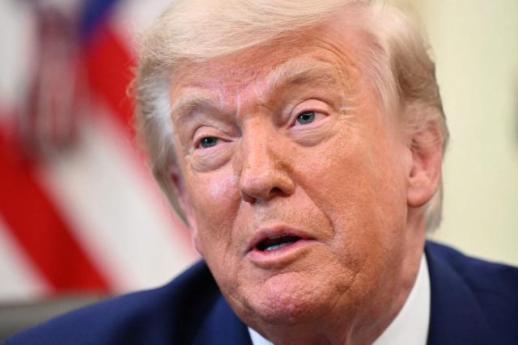 Trump Criticizes Israel's Beirut Airstrike, Urges Restraint from All Parties President Donald Trump publicly criticized Israel's airstrike on the southern outskirts of Beirut, Lebanon, urging restraint from all parties involved, including Israel and Hezbollah. This call for de-escalation comes as a U.S.-Iran memorandum of understanding (MOU) is nearing finalization, with the Lebanon front emerging as a last-minute variable. On June 14, Trump took to social media platform Truth Social to express his disapproval, stating, "The attack on Beirut this morning should not have happened, especially on a day when we are very close to a peace agreement with Iran." He added, "Israel has the right to defend itself against threats, but the attack it responded to was very minor and insignificant, and no one was hurt. This important process must not be disrupted." Israel conducted the airstrike after Hezbollah reportedly fired three projectiles toward northern Israel. The Lebanese Ministry of Health reported that three people were killed and 16 others injured in the attack. The Israeli Prime Minister's Office described the airstrike as a response to Hezbollah's fire directed at Israeli territory. The airstrike occurred just as the U.S. and Iran were set to sign the peace MOU. In a phone interview with Axios, Trump noted, "The situation has shaken things up. The signing has been delayed by a few hours. We were supposed to sign by now, but it has been pushed back a few hours." However, he maintained that an agreement between the U.S. and Iran could still be reached. Iran strongly condemned Israel's airstrike on Beirut and hinted at possible retaliation. The Iranian Foreign Ministry claimed that the responsibility for the dangerous consequences of the attack lies with the U.S. and Israel, while the chairman of Iran's parliamentary National Security Committee warned that "a strong response will come." Trump emphasized, "There should be no further attacks by Israel anywhere in Lebanon, and no party, including Hezbollah, should attack Israel. This could be the beginning of a long and beautiful peace. Let’s not squander this opportunity."* This article has been translated by AI. 2026-06-15 06:18:00