

Journalist

Ko Yu-hwan
-
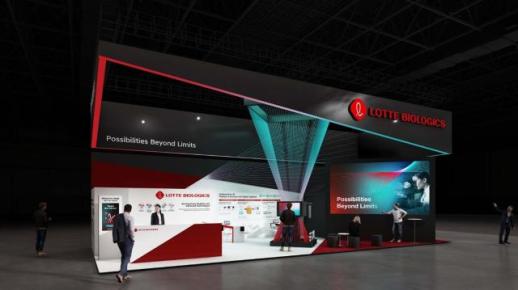 Lotte Biologics Highlights CDMO Capabilities at Bio International Convention 2026 Lotte Biologics announced on June 4 that it will participate in the 2026 Bio International Convention (BioUSA) in San Diego, California. BioUSA, organized by the Biotechnology Innovation Organization, is the largest global exhibition for the pharmaceutical and biotechnology industries, bringing together major pharmaceutical companies, investors, and research institutions to explore collaboration opportunities. Lotte Biologics has participated for five consecutive years since 2022. The company plans to facilitate discussions with global clients through a visitor exchange area and private meeting rooms. It will also conduct an "in-booth presentation" to showcase its vision and business capabilities, along with programs related to antibody-drug conjugates (ADCs). The in-booth presentations will take place three times during the event. On the first day, Lotte Biologics will introduce its development and production collaboration strategy with Asimov. The second day will feature a presentation on scale-up strategies based on computational fluid dynamics (CFD). The third day will focus on strategies for the digitalization of manufacturing processes to improve operational efficiency. This year’s exhibition booth will also display photos and videos of the first plant at the Songdo Bio Campus, which is set to be completed in August. The presentation will highlight the plant's production processes and facilities, emphasizing its commercial production capabilities. Previously, the company received the 2026 CDMO Leadership Awards, underscoring the quality and execution capabilities of its contract development and manufacturing organization (CDMO) services. A representative from Lotte Biologics stated, "We plan to enhance our global CDMO competitiveness based on the dual-site operations connecting Syracuse and Songdo."* This article has been translated by AI. 2026-06-04 14:03:00
 -
 Election Paper Shortage Undermines Trust in South Korea's Election Commission The shortage of ballot papers during the June 3 local elections is not merely an administrative error. It reflects a failure by the National Election Commission (NEC) to fulfill its fundamental responsibilities for ensuring the fairness and reliability of elections. The fact that voters had to wait for ballots at polling places, which should be the starting point of democracy, is shocking. In some polling stations in Seoul's Songpa, Gangnam, and Gwangjin districts, voters faced long waits due to insufficient ballots. Some locations extended voting hours until 10 p.m., leading to chaos as protesting citizens and YouTubers gathered at the scene. The NEC also delayed its voter turnout reporting. The commission later issued an apology and stated it would review its ballot printing standards. However, what the public wants to know is not just an apology but why this situation occurred. According to the NEC's internal guidelines, at least 50% of the number of registered voters should have ballots printed for local elections. The issue lies in the fact that some regional election commissions adhered strictly to this minimum standard. Notably, it has been reported that Songpa only printed ballots for 50% of its registered voters. The NEC explained that it conservatively estimated the quantity of ballots to minimize leftover ballots, citing concerns that excess ballots could lead to management burdens and issues of loss or leakage. However, this explanation lacks credibility. The primary value that an election management body should prioritize is not the reduction of leftover ballots but the assurance of voters' rights to participate in elections. If the concern over surplus ballots leads to a shortage of necessary ballots, then the priorities are fundamentally misplaced. More troubling is that this incident is not an isolated occurrence. During the 2022 presidential election, there was controversy over 'sock voting' involving COVID-19 patients. Last year's early presidential election saw absurd scenes where voters received ballots while eating and returning to cast their votes. The public demands not only political neutrality from the NEC but also its professionalism and stability. However, the recent recurring controversies raise doubts about whether the NEC is meeting these expectations. An even greater concern is the spread of conspiracy theories regarding election fraud. Our society has been grappling with serious social conflicts stemming from election disputes and conspiracy theories for several years. While this incident does not directly imply election fraud, the NEC's repeated mistakes provide new justifications for those who believe in such theories. An election management body that has lost the public's trust will find it difficult to persuade citizens, regardless of the explanations it offers. Elections are the heart of democracy. The reason the public accepts election results is that they trust the electoral process itself. When that trust is shaken, it becomes challenging to accept the outcomes. What is now needed is not merely a revision of guidelines. The NEC must thoroughly disclose why it applied only the minimum standards and who made those decisions. The standards for ballot printing, demand forecasting systems, and emergency supply chains must be comprehensively reviewed. Above all, those responsible for the repeated management failures must be held accountable. The most critical element that should never be in short supply during elections is ballot papers. The shortage of ballots is not just a matter of a few sheets of paper; it is a warning that public trust in democracy is eroding. If the NEC once again tries to evade responsibility or merely enhance the system, it will inevitably lead to greater distrust. The public is not demanding a perfect election; they are simply asking for the basics of common sense and fairness to be upheld. 2026-06-04 14:03:00
 -
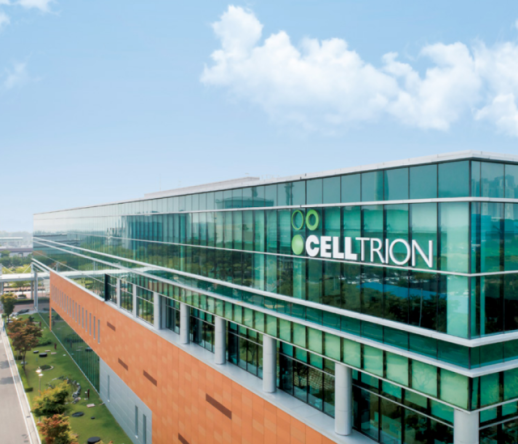 Celltrion Burns 100 Billion Won in Shares to Enhance Corporate Value Celltrion is stabilizing its stock price and increasing shareholder returns through share buybacks and cancellations. On June 4, Celltrion announced that the procedure for canceling shares worth approximately 100 billion won has been finalized through a listing change. A total of 489,977 shares have been canceled, reducing the total number of shares issued by Celltrion to about 221.63 million. This share cancellation is part of the company's plan to buy back and cancel shares worth around 100 billion won, which was recently disclosed. The company stated, "We expect that the reduction in the number of shares will lead to an improvement in earnings per share (EPS) and an increase in per-share value." In addition to the share cancellation, Celltrion is pursuing further shareholder return policies. The company has decided to buy back an additional 100 billion won worth of shares and is currently in the process of acquiring them. If these shares are canceled by the end of the year, the total amount of shares canceled this year is expected to reach about 2 trillion won. According to Celltrion, the cumulative amount of shares canceled over the past three years is approximately 18.56 million shares, accounting for about 8.4% of the current total shares issued. Celltrion is also rapidly implementing comprehensive market response measures announced last month. Currently, the company is conducting a free capital increase of about 10.92 million shares, along with stock purchases of 1 billion won each by the company and its largest shareholder, totaling 2 billion won. The company's performance is showing improvement. In the first quarter of this year, Celltrion recorded consolidated sales of 1.145 trillion won, a 36% increase compared to the same period last year. Operating profit surged by 115.5% to 321.9 billion won, achieving the highest quarterly performance to date. This growth is attributed to the expansion of high-profit biosimilar products and improvements in profitability, with analysts predicting even stronger growth in the second half of the year. Celltrion has set an annual sales target of 5.3 trillion won for this year, aiming to enter the '5 trillion club' after surpassing 4 trillion won in sales last year. The company and its largest shareholder are in the process of acquiring stocks worth a total of 2 billion won, and employees are also expected to participate in voluntary stock purchases through employee stock ownership plans. A Celltrion representative stated, "The continuous share cancellations and additional purchases reflect our confidence in our solid fundamentals and future growth. We will pursue both expanded shareholder returns and enhanced competitiveness in our core business to achieve sustainable growth and increase corporate value."* This article has been translated by AI. 2026-06-04 14:00:00
 -
 Baemin Launches Campaign with Veterans Affairs Ministry for June 'Month of National Defense' Baemin has organized a meaningful event to honor veterans. The company, operated by Woowa Brothers, announced on June 4 that it will collaborate with the Ministry of Veterans Affairs for a campaign in recognition of the 'Month of National Defense.' This campaign utilizes ideas selected from a public idea contest held by the Ministry of Veterans Affairs in March and April. Baemin aims to promote a culture of gratitude and respect for veterans through this event using its app. Until June 8, users can access content on the Baemin app that highlights the significance of the Month of National Defense and the importance of honoring veterans. Customers who share the link to this page will be eligible to receive Baemin coupons worth 5,000 won, with 400 coupons available daily on a first-come, first-served basis. Baemin stated that this initiative seeks to seamlessly connect daily life with the values of national defense and to foster a culture of remembering and appreciating the sacrifices made by veterans. Kim Joong-hyun, head of the Sustainable Management Division at Woowa Brothers, said, "We planned this campaign to share the values of honoring veterans with our customers during the Month of National Defense. We will continue to grow as a service that positively impacts the daily lives of citizens through various activities that realize social value." * This article has been translated by AI. 2026-06-04 14:00:00
 -
 Economic Bureaucrats Fail to Secure Local Leadership in Recent Elections In the recent local elections, candidates for regional leadership positions with backgrounds in the Ministry of Economy and Finance faced significant defeats, effectively diminishing the influence of economic bureaucrats in local governance. Analysts suggest that these candidates, who promoted their abilities in budget acquisition and central government networking, could not overcome the prevailing political winds favoring established parties. In the Jeju gubernatorial race, Moon Sung-yu of the People Power Party lost decisively to Lee Seong-gon of the Democratic Party. Moon, a former head of the Ministry of Economy and Finance's Planning and Coordination Office, as well as the Public Procurement Service and Korea Asset Management Corporation, highlighted his experience in budget and finance as his strengths in the campaign. However, the election results were unfavorable. According to final tallies, Lee secured 63.1% of the vote, while Moon garnered only 33.5%, marking a significant gap. Despite promoting his image as an 'economic governor' and budget expert, he was unable to reverse the Democratic Party's strong momentum. In the Jeonbuk gubernatorial election, Kim Kwan-young of the People Power Party also faced defeat. A former economic bureaucrat who entered politics after passing the administrative examination and working as a civil servant in the Ministry of Economy and Finance, Kim campaigned on his economic expertise and administrative experience but lost to Democratic Party candidate Lee Won-taek. The final vote difference was in the single-digit range, making it a relatively close contest in the history of Jeonbuk gubernatorial elections, but he could not overcome the party dynamics. As a result of this election, there are no newly elected regional leaders from the Ministry of Economy and Finance. In the 2022 local elections, Kim Dong-yeon, a former Deputy Prime Minister for Economy, was elected as the governor of Gyeonggi Province, maintaining the presence of economic bureaucrats in regional leadership, but that trend has now been broken. Political analysts suggest that the timing of this election, held shortly after the presidential election, meant that party support played a more significant role than individual candidate expertise. In particular, many candidates with backgrounds as current lawmakers won, indicating that local organizational strength and party affiliation were more decisive than experience in central government. In this election, Moon Sung-yu emphasized his ability to address local issues and secure national funding, while Kim Kwan-young highlighted his economic expertise and administrative experience. However, voter choices were more heavily influenced by party dynamics. The advantages of budget acquisition and central government networks that economic bureaucrats typically possess appeared to be less effective, while the Democratic Party's momentum and the advantages of incumbency played a significant role in the outcomes.* This article has been translated by AI. 2026-06-04 14:00:00
 -
 Korea Investment Corporation Opens Tokyo Office to Expand Alternative Investments The Korea Investment Corporation (KIC) is set to open an office in Tokyo to enhance its alternative investment strategies in Japan. This move aims to capitalize on opportunities arising from ongoing corporate governance reforms and business restructuring among Japanese companies. Bloomberg reported on June 4 that KIC plans to establish its Tokyo office in early July. This marks the first time the sovereign wealth fund, which manages assets worth $232 billion (approximately 355 trillion won), will have a dedicated base in Japan. The Tokyo office will be KIC's sixth overseas location, joining existing offices in New York, London, Singapore, Mumbai, and San Francisco. KIC cited significant changes in Japan's alternative investment market as a key reason for this expansion. KIC Chief Investment Officer Lee Hoon stated in a recent announcement, "The Japanese alternative investment market is undergoing a structural transformation, creating opportunities to acquire high-quality assets." As of the end of last year, alternative assets accounted for over 20% of KIC's total portfolio. The Tokyo office will not only focus on alternative investments but will also explore opportunities in traditional assets such as stocks and bonds. Lee added, "Corporate governance reforms and portfolio restructuring are underway in Japan, and we expect Japan to offer differentiated investment opportunities in Asia." KIC recorded an annual return of 13.9% last year. The opening of the Tokyo office is expected to enhance local asset discovery and investment networking in Japan. 2026-06-04 14:00:00
 -
 Hyundai Home Shopping Introduces Automation Technology at Logistics Center Hyundai Home Shopping is enhancing its logistics capabilities by expanding automation at its centers. On June 4, the company announced the introduction of automated logistics equipment, including robotic arms and a singulator, at its logistics center in Hwaseong, Gyeonggi Province. Robotic arms are designed to pick up multiple products at once and transfer them to unloading conveyor belts. The singulator automatically arranges products on the conveyor belt to ensure they are shipped one at a time. These systems were customized to meet the unique order environment of home shopping, which differs from open-market e-commerce that typically handles small quantities of various products. Home shopping sees concentrated orders for the same product during specific broadcast times. To address this, Hyundai Home Shopping has implemented robotic arms capable of moving up to 24 boxes at once and the singulator for automatic product arrangement. Additionally, the company has integrated these new systems with its previously installed auto-labeler, which attaches shipping labels automatically. This creates a seamless, one-stop automation line that covers the entire process from unloading to product arrangement and label attachment. With this automation line, Hyundai Home Shopping expects to significantly increase the processing capacity of its Hwaseong logistics center to up to 4,000 items per hour. Consequently, the overall shipping time is projected to be reduced by approximately 20% compared to previous methods. A company representative stated, "We have made proactive investments to innovate logistics efficiency and create a safe working environment for our employees amid the rapidly changing retail landscape. We plan to continue expanding the introduction of cutting-edge automation equipment suitable for our logistics environment." Meanwhile, Hyundai Home Shopping is also accelerating its efforts to expand offline customer touchpoints alongside enhancing its logistics infrastructure. Recently, the company opened its second beauty edit shop, Coasis, on the basement level of Hyundai Department Store in Gangdong-gu, Seoul. This follows the opening of its first store at Hyundai Premium Outlet Space One in Namyangju last year, marking an expansion of its retail network. Until June 28, Coasis will offer discounts on popular products, including Jasderma ampoules, Saint Frank gel masks, and VT PRDN riddle shot cream.* This article has been translated by AI. 2026-06-04 13:57:00
 -
 Taxpayers with Overseas Accounts Over 500 Million Won Must Report by End of Month Taxpayers holding overseas financial accounts with balances exceeding 500 million won must report this information to the National Tax Service (NTS) by the end of June. Starting this year, overseas trusts are also included in the reporting requirements. On June 4, the NTS announced that it will accept reports on overseas financial accounts and trusts from residents and domestic corporations that held such accounts or established and maintained overseas trusts last year until June 30. As this is the first year for the overseas trust reporting obligation, the NTS urged taxpayers who have set up trusts abroad to pay close attention. Taxpayers required to report are those whose total balance of overseas financial accounts exceeded 500 million won on any day at the end of each month last year. Reportable assets include savings accounts, stocks, bonds, investment securities, insurance, and virtual assets. Accounts opened with overseas virtual asset service providers are also subject to reporting. The newly implemented overseas trust reporting system does not have a separate reporting threshold. Residents and domestic corporations that establish trusts abroad similar to those under domestic trust law or transfer assets to such trusts must report, regardless of the amount involved. This is a key distinction from the overseas financial account reporting, which has a specific threshold. The NTS is sending notifications via mobile or mail to approximately 27,000 taxpayers identified as likely required to report. Taxpayers can file their reports electronically through the Home Tax and Mobile Tax services, and even those who do not receive a notification should verify their reporting obligations and comply by the deadline. After the reporting period ends, the NTS plans to conduct thorough investigations into potential non-reporters using data from automatic exchanges of financial information between countries, information collected from other agencies, and field data. Failure to report overseas financial accounts or trusts, or underreporting, may result in a fine of 10% of the unreported or underreported amount. Notably, if the unreported amount for overseas financial accounts exceeds 5 billion won, it may lead to criminal prosecution and inclusion on a public list. To combat the concealment of overseas assets and tax evasion, the NTS is promoting a whistleblower program. Individuals providing significant information about unreported overseas financial accounts may receive rewards of up to 2 billion won, while those reporting tax evasion through overseas trusts could earn up to 4 billion won.* This article has been translated by AI. 2026-06-04 13:48:00
 -
 Netflix Enhances AI Features to Reduce Content Selection Fatigue Netflix is enhancing its use of artificial intelligence (AI) to help users more easily choose content to watch. As the volume of available content increases, the challenge of deciding what to watch has grown, prompting the company to refine its recommendation features using AI. Elizabeth Stone, Netflix's Chief Product and Technology Officer, outlined the company's AI-driven content recommendation strategy on June 3 during the Bloomberg Tech Conference in San Francisco. "Generative AI can provide users with more personalized recommendations and help them choose content more easily," she said. Stone noted that users are experiencing fatigue from the overwhelming amount of content available. She stated, "There is too much content, and consumer complaints are rising about the difficulty in understanding what is right for them and what content suits them at this moment." To address this issue, Netflix is integrating generative AI and natural language understanding technologies into its recommendation system. This approach aims to identify the type of content users want to watch and enhance recommendation accuracy by combining this with viewing preferences and history. The company is also testing a voice search feature. Users can describe the mood or conditions of the content they want verbally, and Netflix will provide tailored recommendations based on viewing history, preferences, and currently popular content. Stone emphasized, "The recommendation feature has long been a strength of Netflix." She added, "This area is one where Netflix must maintain a high standard and continue to improve going forward."* This article has been translated by AI. 2026-06-04 13:48:00
 -
 Intensifying Competition in P-CAB Market as Korean Firms Expand Indications and Global Reach Korean pharmaceutical companies are accelerating their efforts to dominate the potassium competitive acid secretion inhibitor (P-CAB) market. As new entrants continue to emerge, the domestic market remains limited compared to the global scale, prompting companies to expand indications and target overseas markets for growth. On June 4, market research firm Wise Guy Report projected that the global P-CAB market could grow to $7.5 billion (approximately 11 trillion won) by 2035. Currently, the domestic P-CAB market is characterized by competition among HK inno.N's 'K-Cab', Daiwoo Pharmaceutical's 'Pecsuclew', and Onconic Therapeutics' 'Zacubo'. As of last year, the three domestically developed P-CAB drugs surpassed 300 billion won in annual prescriptions, but evaluations indicate that their global market presence remains limited. Industry experts believe that differentiation through indication expansion and seizing overseas markets will be crucial for competitiveness. Given the limited efficacy differentiation among drugs in the same class, expanding the patient population is seen as a key variable. Currently, HK inno.N's K-Cab leads the market. K-Cab has secured a total of five indications, including erosive and non-erosive gastroesophageal reflux disease, gastric ulcers, and Helicobacter pylori eradication therapy. Recently, it completed Phase 3 clinical trials for a sixth indication and is preparing for the approval process. This positions K-Cab as the P-CAB with the broadest prescription range in the country. Prescription performance is also rapidly increasing. According to the pharmaceutical market research firm Ubiquitous, as of April, K-Cab's cumulative prescriptions reached 1.026 trillion won, marking the first instance of a domestically developed single drug surpassing 1 trillion won in cumulative prescriptions. Last year's annual prescription performance also exceeded 200 billion won, driving HK inno.N's growth. K-Cab has received product approvals in 23 countries, including South Korea, and has entered 55 countries through technology exports and finished product exports. Its U.S. partner, Sebela Pharmaceuticals, submitted a New Drug Application (NDA) to the U.S. Food and Drug Administration (FDA) in January. Daiwoo Pharmaceutical's Pecsuclew is also focusing on expanding its indications. Launched in 2022, Pecsuclew surpassed 100 billion won in annual sales within two years, establishing itself as a blockbuster product. Recently, it received approval from the Ministry of Food and Drug Safety for an additional indication for antibiotic combination therapy for Helicobacter pylori eradication, bringing its total to four indications. The company is also ramping up its efforts in the global market. Following its approval in China last year, Pecsuclew has entered the Indian market, marking the first launch of a domestic P-CAB in India. It is currently available in six countries, including Mexico, Chile, Ecuador, and the Philippines, and with technology exports and product approval applications, the number of countries it has entered has expanded to around 30. A Daiwoo Pharmaceutical official stated, "We are preparing for a launch in China in the first half of next year, and India is also showing stable growth since its launch. Expanding indications is a strategy to address unmet treatment needs in actual clinical settings." He added, "As the treatment environment and unmet needs for gastrointestinal diseases differ by country, securing diverse clinical evidence and indications will enhance local medical professionals' trust and increase the likelihood of market establishment." Onconic Therapeutics' Zacubo is rapidly expanding its overseas business. The company announced on June 2 that it successfully completed Phase 3 clinical trials for Zacubo in treating erosive gastroesophageal reflux disease (GERD) in India and has submitted for approval. In China, it is also progressing through the approval process for erosive gastroesophageal reflux disease in collaboration with local partner Livzon Pharmaceutical. Market competition is expected to intensify further. Daewon Pharmaceutical is conducting Phase 3 clinical trials for its P-CAB new drug 'DW4421', aiming for a launch in 2028, and is considering expanding indications beyond gastroesophageal reflux disease. Additionally, generics of the original drug, Takeda Pharmaceutical's 'Bosunty', are being pursued by latecomers. Dongkwang Pharmaceutical's first generic has already received approval, followed by Mothers Pharmaceutical, Kyungbo Pharmaceutical, and Samik Pharmaceutical, with Donghwa Pharmaceutical also awaiting approval. So far this year, 34 related generics have received approval. An industry insider noted, "As competition in the domestic P-CAB market becomes increasingly fierce, differentiation through simple launches is becoming more challenging. Ultimately, the speed of indication expansion and successful establishment in overseas markets will likely determine the market landscape."* This article has been translated by AI. 2026-06-04 13:42:00