
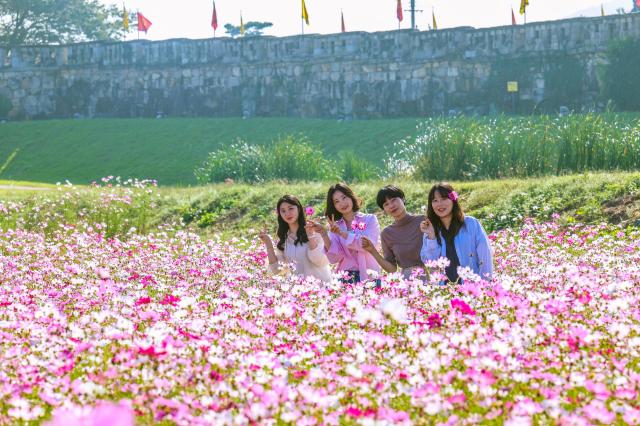
SEOUL, October 01 (AJP) - The Korean Peninsula is undergoing a dramatic seasonal transition, as October ushers in the full splendor of autumn.
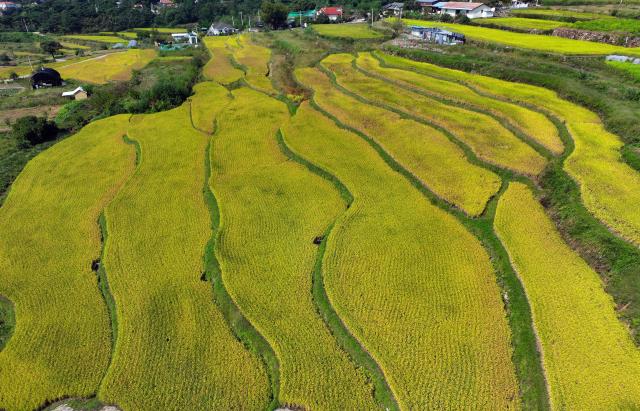
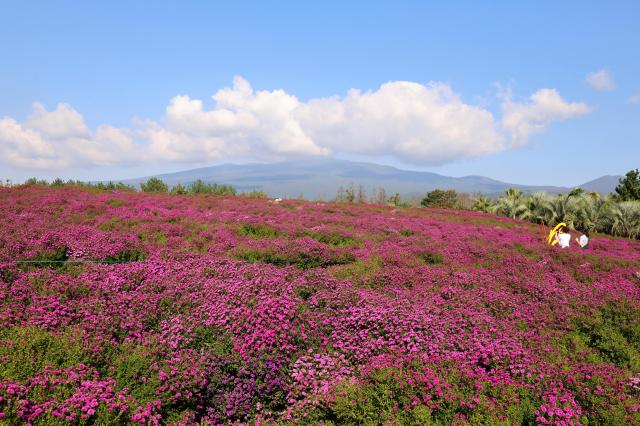
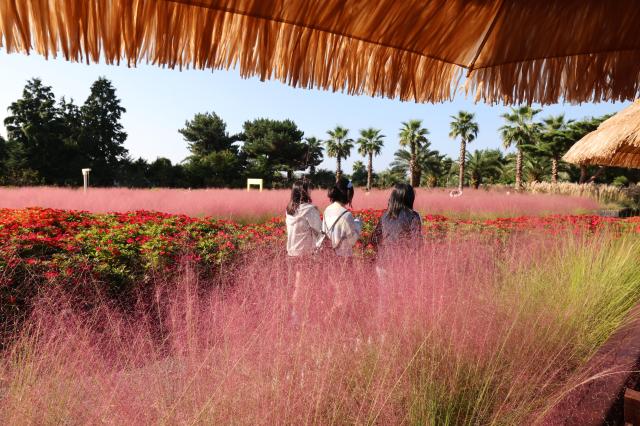
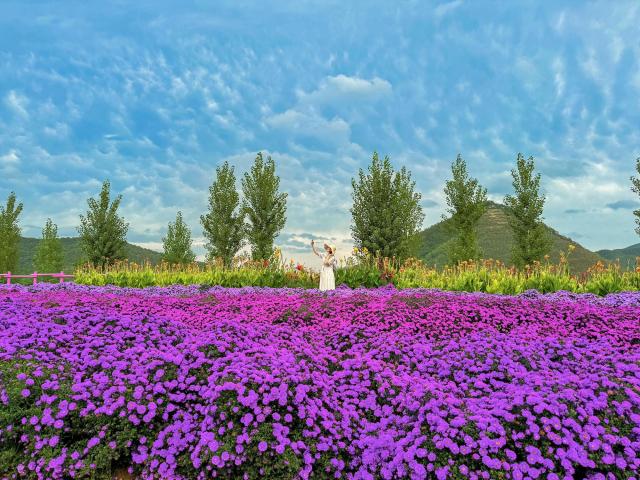
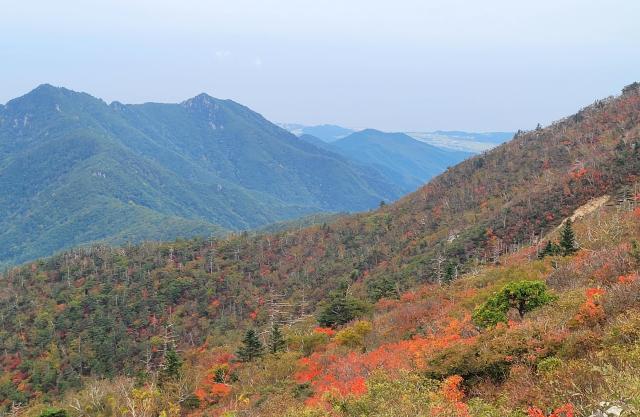
Across South Korea, the landscapes are beginning to transform, with mountains and fields now donning the brilliant, kaleidoscopic hues of fall foliage and late-season flowers.
This annual display of natural beauty coincides with a palpable sense of anticipation among the public. Excitement is building nationwide as people prepare for the long Chuseok holiday.
For many Koreans, the vibrant shift in the scenery provides a picturesque backdrop for the approaching festive break, marking a time for reflection, travel, and traditional gatherings.
Copyright ⓒ Aju Press All rights reserved.
Related News
-
 Over 1,000 Attend Yeongam Yellow Soil Sweet Potato Festival, Enjoying Autumn Vibes
The yellow soil fields provided by farmers transformed into a playground for children, while the food and activities prepared by local residents filled the autumn fields of Yeongam with laughter.Yeongam County in South Jeolla Province reported that over 1,000 residents and tourists participated in the '2026 Yeongam Yellow Soil Sweet Potato Festival' held on November 15 in the yellow soil sweet potato fields of Sinbuk-myeon.Organized by the Yeongam County Rural Vitalization Support Center, the Village Farm Cooperative, and the Budal Agricultural Cooperative, the festival featured the theme 'Activities unfold like sweet potato vines,' allowing participants to experience rural life through sweet potato harvesting, soil play, and traditional food experiences.Notably, the festival differentiated itself from traditional spectator events by having farmers donate their land for the festival and residents directly plan and operate the programs.Ryu In-kyu, the representative of Budal Agricultural Cooperative, opened the farming fields for the event to allow children to experience harvesting sweet potatoes and playing in the soil.The cooperation of the local community was evident even in the preparation process.When rain was forecasted the day before the festival, officials from Yeongam County's Urban Design Department, the Rural Vitalization Support Center, and the Village Farm Cooperative worked together to cover the 2,000 pyeong of yellow soil fields.Despite the inclement weather, families joined forces to ensure a safe and enjoyable experience for all.The festival kicked off with a 'Sweet Potato Torch Relay' involving participants from various regions.Throughout the yellow soil fields, various programs unfolded, including sweet potato harvesting, soil play, sweet potato acrostic poetry, paper airplane flying, and agricultural drawing. Storytelling by Jang Mi-hwa also captivated the children's attention.Community participation programs reflecting the unique characteristics of each village added to the festival's enjoyment.Activities prepared by local residents, such as small cake making in Deokjin-myeon, dried persimmon making in Geumjeong-myeon, country-style kimbap in Sinbuk-myeon, and sweet potato rice cake making in Mi-am region, attracted visitors.Although some areas of the yellow soil fields were muddy due to the rain the previous day, the mud puddles became a source of joy for the children.Park Na-rae, who visited the festival with her family from Gwangju, said, "It was a bit inconvenient because the ground was muddy from the rain, but the kids had a great time playing in the puddles. Harvesting sweet potatoes was fun, and it was nice to run freely in the wide outdoors."The festival concluded with a 'Yellow Soil Tug-of-War' where participants were divided into upper and lower villages.Visitors from different regions joined hands like village residents, competing in strength and enjoying a moment of unity. The event also incorporated the tradition of tug-of-war from Yeongam, where children traditionally lead the game, showcasing the region's unique folk culture.Woo Seung-hee, the mayor of Yeongam County, remarked, "It is meaningful that farmers donated their fields and residents prepared the food and activities for the festival. We will continue to create rural festivals that attract people and allow them to enjoy the resources and skills of each village in Yeongam."Meanwhile, this Yellow Soil Sweet Potato Festival demonstrated the potential for combining local agricultural resources with voluntary participation from residents, showcasing rural daily life and traditional culture as tourist content. Yeongam County plans to continue promoting rural festivals that utilize the unique resources and capabilities of each village.* This article has been translated by AI.
-
Gwangju, South Korea, Implements Emergency Measures for Autumn Wildfires
As dry autumn weather raises the risk of wildfires, Gwangju Metropolitan City has activated an emergency response system, deploying 10 firefighting helicopters and 1,162 personnel for wildfire prevention and initial response.Starting November 13, fines for illegal burning in areas adjacent to forests will increase to a maximum of 3 million won, and criminal penalties for causing wildfires through negligence will also be significantly strengthened, necessitating heightened vigilance.Gwangju Metropolitan City announced that it will operate a wildfire prevention headquarters for 45 days until December 15, focusing administrative efforts on wildfire prevention and rapid on-site response.The headquarters will involve a total of 28 agencies, including the metropolitan city and 27 districts, aiming for initial wildfire response within 30 minutes by activating both aerial and ground firefighting systems.To this end, 10 firefighting helicopters have been deployed across 11 regions, including the Gwangju area, expanding from the previous 10 regions used in spring. The early deployment of helicopters was completed by October 23.Ground firefighting capabilities have also been enhanced.A total of 1,162 personnel from the Forest Disaster Response Team will be stationed at wildfire sites, and pre-checks have been completed for 54,000 pieces of firefighting equipment, including firefighting vehicles, mechanized firefighting systems, and 47 drones.Given that the initial response to a wildfire can significantly impact the extent of damage, emphasis has been placed on establishing a rapid cooperation system between helicopters and ground personnel.Legal measures for wildfire prevention will also be strengthened.According to the metropolitan city, the revised Forest Disaster Prevention Act, effective November 13, will raise the maximum fine for unauthorized burning in forest-adjacent areas from 2 million won to 3 million won.Additionally, penalties for causing wildfires through negligence will be increased from a maximum of three years in prison or a fine of up to 30 million won to a maximum of five years in prison or a fine of up to 50 million won.Crackdowns on illegal burning of agricultural byproducts and household waste, identified as a cause of wildfires, will continue.Gwangju Metropolitan City reported that during the last spring season, 86 cases of illegal burning of agricultural byproducts and household waste within 100 meters of forest-adjacent areas were detected, resulting in fines totaling 29 million won.Furthermore, efforts will be made to expand prevention campaigns and on-site inspections to prevent wildfires caused by negligence, such as careless handling of heating devices like wood-burning stoves and flammable materials in workplaces.Support programs for the collection and shredding of agricultural byproducts will also be implemented to help farmers manage waste without burning.Farmers needing to dispose of agricultural byproducts such as pepper stalks, sesame stalks, soybean stalks, and fruit tree pruning branches can apply for assistance through their local administrative welfare centers or agricultural technology centers.The cooperation system among wildfire response agencies has also been reviewed.Previously, a joint wildfire response training exercise was conducted in Suncheon and Naju, involving 430 officials from 13 relevant agencies, including police stations, fire departments, the Western Regional Forest Service, the Yeongam Forest Aviation Management Office, and Korea Electric Power Corporation.The training assessed response procedures based on hypothetical wildfire scenarios, including resident evacuations and combined aerial and ground firefighting.Kang Shin-hee, Director of the Forest and Garden Bureau of Gwangju Metropolitan City, stated, "Through the operation of the wildfire prevention headquarters, we will maintain a comprehensive response system from prevention to initial firefighting, doing our utmost to protect the lives and property of citizens and our precious forests."He added, "We urge citizens to refrain from illegal burning and storing flammable materials in forests, and to strictly adhere to wildfire prevention guidelines, including managing embers from wood-burning stoves."Meanwhile, autumn wildfires pose a significant risk due to dry weather and fallen leaves, making even small sparks capable of igniting forests.Particularly, burning agricultural byproducts or starting fires outdoors near forested areas can lead to large-scale wildfires, highlighting the need for both community preventive efforts and ongoing inspections by relevant authorities.* This article has been translated by AI.
-
First Snow Falls in Seoul This Autumn, Marking Sixth Earliest Since 1973
Seoul experienced its first snowfall of the autumn season, signaling the arrival of winter while autumn leaves still linger in the city.According to the Korea Meteorological Administration, the first snow of the year was observed at the Seoul Weather Observatory in Jongno-gu on the morning of November 8.The snowfall in Seoul was attributed to a pressure trough moving across the northern part of the country, which also brought rain and snow to parts of the metropolitan area and Gangwon Province.This year's first snow in Seoul arrived 26 days earlier than last year's on December 4 and 12 days earlier than the average date of November 20. It marks the sixth earliest occurrence since the national weather observation network was expanded in 1973.The earliest recorded first snow in Seoul was on October 23, 1981, followed by October 25, 1980; October 30, 1997; November 1, 1995; and November 6, 2006.While first snows were also recorded on November 8 in 2002 and 2010, this year is classified as the sixth earliest due to the meteorological record-keeping principle of listing the most recent year first.The snowfall was expected to be light, making accumulation unlikely in Seoul. Rain or snow in the metropolitan area and parts of Gangwon Province is forecasted to taper off by late evening.* This article has been translated by AI.