

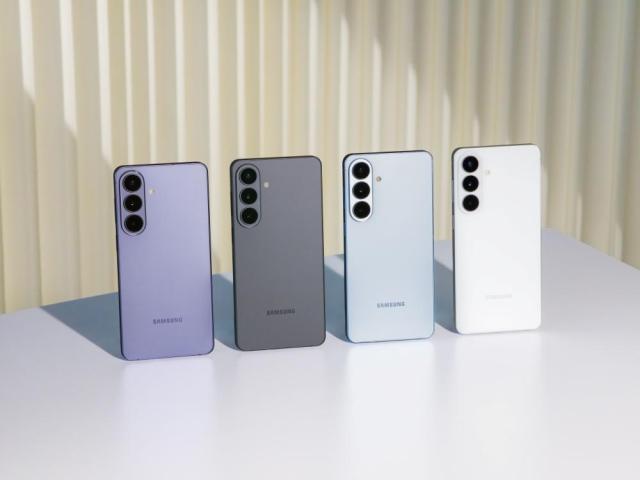
This time, instead of dazzling hardware theatrics, Samsung framed the Galaxy S26 series as its first truly “agentic” AI phone: a device that does not wait for commands but gently intervenes. Not assistance. Not automation. But what executives repeatedly called a “nudge.”
When CEO TM Roh took the stage, he did not begin with chip speeds or camera sensors. Instead, he showcased a simple text exchange: “Beer on the 27th?”
Before a reply could be typed, a subtle banner surfaced above the keyboard: “27th — All-day event at Phoenix Park.”
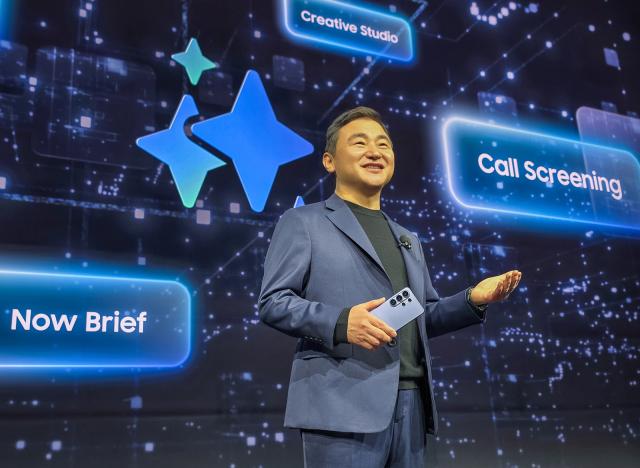
The feature, called Now Nudge, does not require a request. It reads context — across messages, calendar and gallery — and surfaces the right action at the right moment.
Samsung is betting that this shift — from reactive AI to anticipatory AI — defines the next phase of the smartphone wars.
For years, Samsung’s Unpacked events led with displays, sensors and silicon. The S26 series still delivers on that front. The Ultra model runs on the Snapdragon 8 Elite Gen 5 for Galaxy, promising double-digit CPU, GPU and NPU gains. Thermal redesigns and Super Fast Charging 3.0 round out the hardware upgrades. But those specifications were deliberately secondary.
Samsung’s narrative emphasized something more intangible: AI that “fades into the background.”
A single press of the side key can summon Gemini or other integrated agents to complete multi-step tasks — from ordering an Uber to placing food deliveries — without switching apps.
The distinction Samsung is drawing is clear: this is not AI as a chatbot. It is AI as a silent coordinator.
The most enthusiastic response inside the hall was reserved for a different innovation: Privacy Display — described as the world’s first built-in side-view blocking screen for mobile.
Unlike stick-on privacy filters, Samsung’s solution disperses light at the pixel level. When activated during sensitive moments — PIN entry, banking apps, messaging — it limits visibility from side angles while preserving brightness and clarity for the user.
In an era of AI-driven personalization, Samsung is pairing proactivity with containment. And for a company unveiling its 26th-generation flagship, the devil is in those details.
While Apple’s iPhone ecosystem emphasizes privacy branding and vertical integration, Samsung is introducing hardware-level visual discretion. Against Chinese competitors such as Huawei and Xiaomi — which are rapidly integrating AI features at aggressive price points — Samsung is differentiating not merely through AI capability, but through AI governance embedded into hardware.
The strategy suggests Samsung sees the next battleground not just as performance, but trust.
The S26 Ultra widens apertures for improved low-light capture and introduces support for a professional-grade APV video codec. AI ISP improvements refine skin tones even on the selfie camera. But again, the headline is workflow integration.
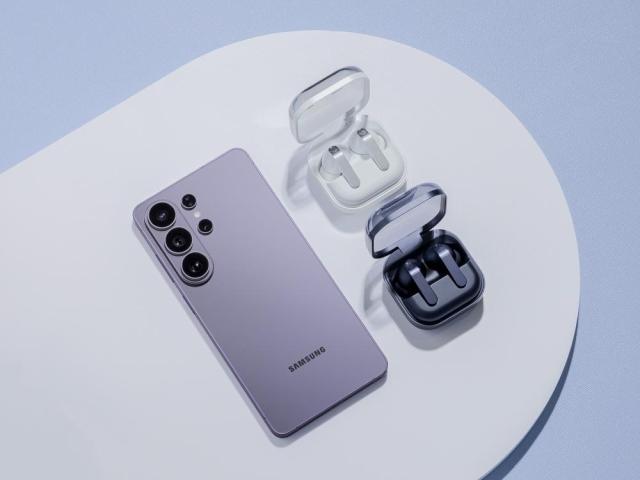
With the upgraded Photo Assist suite, users can simply describe edits: “Make it night.” “Add more strawberries.” “Change the outfit.” Edits unfold within the native gallery — no third-party app, no export/import friction.
For creators accustomed to hopping between apps — including Google tools or other generative platforms — the frictionless editing could become Samsung’s practical edge.
The S26 series arrives amid intensifying competition. Apple continues refining on-device AI within iOS while tightly guarding ecosystem control. Chinese brands are pushing hardware innovation and aggressive pricing. Generative AI models are turning smartphones into gateways for cloud intelligence.
Samsung’s counter-position is distinct: agentic AI embedded system-wide, not siloed in one assistant, hardware-backed privacy, not just software encryption, cross-agent flexibility (Gemini, Perplexity, Bixby), rather than a single locked ecosystem, and seven years of security updates, reinforcing long-term device value.
The choice to spotlight “nudging” over megapixels signals Samsung believes smartphone competition is shifting — from a hardware race to behavioral intelligence.

Copyright ⓒ Aju Press All rights reserved.
