

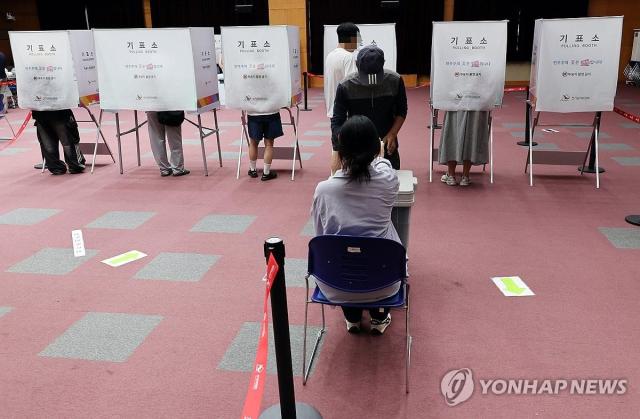
The local elections on June 3 are just three days away, and political parties and candidates are intensifying their efforts to win over voters. In key battlegrounds such as Seoul, Busan, and the Chungcheong region, party leaders and prominent politicians are actively campaigning. With mixed polling results and a significant number of undecided voters, the tension is rising as the election approaches.
Intense competition is a natural aspect of a democratic society. Candidates present their visions and policies, while voters compare them to make informed choices. Competitive elections are healthier than those without competition. However, the direction of this competition is concerning.
As the local elections draw near, negative campaigning is overshadowing policy debates. Allegations among candidates, scrutiny of past statements, personal controversies, and attacks on opponents are dominating the election landscape. In some areas, legal disputes over campaign methods and misinformation have emerged, leading to increased voter fatigue.
Local elections are fundamentally about everyday issues that affect citizens, such as transportation, housing, education, welfare, urban development, and local economic concerns. These elections should not be proxy battles for central politics but should focus on improving residents' quality of life. Unfortunately, the current reality reflects a dominance of narratives about punishing or supporting the government, overshadowing the evaluation of local development strategies and administrative capabilities.
This election is particularly significant as South Korea stands at a crucial turning point. The global economy is undergoing massive changes due to the AI industrial revolution, supply chain restructuring, high interest rates, low growth, and energy security crises. Local governments must evolve beyond merely executing central government budgets. Their roles in attracting advanced industries, securing corporate investments, creating youth jobs, and enhancing urban competitiveness are becoming increasingly vital.
Voters must adopt a more rational approach. They should not be swayed by sensational revelations and political disputes that recur during elections. It is essential to focus on how candidates plan to transform the region, manage finances, and create future industries and jobs. Local elections serve as a means to evaluate politicians while also determining the future of the community.
Candidates must also be held accountable. Unfounded allegations and emotional attacks only foster political distrust. The more candidates focus on undermining their opponents, the more voters may turn away from politics altogether. Democracy should function through persuasion, not hatred. Competing based on policies, visions, and administrative capabilities is the fundamental principle of elections.
Above all, voting is crucial. Local elections often see lower turnout rates compared to presidential or general elections, yet their impact on residents' lives is significant. Policies determined by mayors, governors, district heads, and local council members directly affect citizens' daily lives. The pace and direction of local development also depend on the capabilities of local governments.
As the election nears, political noise tends to increase. However, voters must discern the essence amidst the clamor. It is not about who raises their voice the loudest but rather who is capable of preparing for the future of the region. It is hoped that this local election will be remembered as one focused on regional development and everyday politics, rather than negative campaigning and factional battles. Ultimately, the level of democracy is determined not by the political arena but by the choices of the voters.
* This article has been translated by AI.

Copyright ⓒ Aju Press All rights reserved.