

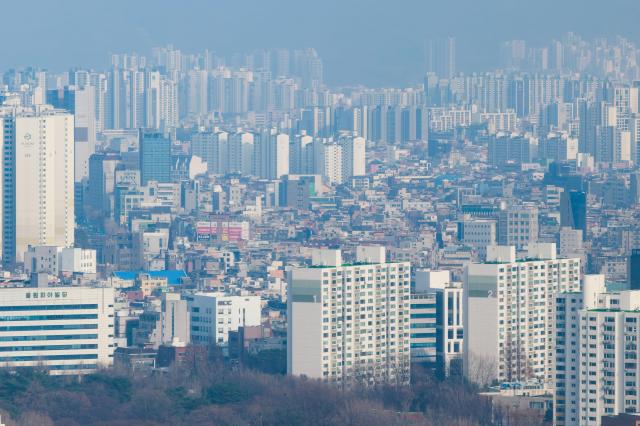
Seoul's jeonse market is rapidly facing a supply crisis. While the number of jeonse listings is decreasing, demand remains high, exacerbating the supply-demand imbalance. In some areas of North Seoul, pressure is approaching a level described as a "jeonse crisis."
As of June 9, KB Real Estate reported that Seoul's monthly jeonse supply index reached 182.67. An index above 100 indicates that demand exceeds supply, and a reading above 180 typically signifies a severe jeonse shortage.
The situation in North Seoul is even more severe. The jeonse supply index for the region hit 187.78 last month, the highest level since 2020. This figure surpasses the citywide average, indicating that the shortage of jeonse listings is spreading beyond favored complexes throughout North Seoul.
North Seoul has seen a steady demand for jeonse as potential buyers, burdened by high purchase prices, opt to remain renters. Existing tenants are also reluctant to move due to increased housing costs, resulting in fewer new jeonse listings and concentrated demand for the remaining properties.
This supply-demand imbalance is leading to rising prices. According to KB Real Estate, jeonse prices in Gangbuk District increased by 1.86%, with Seongbuk District (1.36%), Nowon District (1.35%), and Dobong District (1.33%) also experiencing price hikes. The pressure to raise jeonse prices is becoming widespread across North Seoul.
The overall number of jeonse listings is also declining. Real estate big data firm Asil reported that as of today, there are 18,574 jeonse listings for Seoul apartments, a decrease of over 26% from 25,240 listings a year ago. While demand for jeonse remains, the shrinking supply is intensifying the sense of crisis in the market.
The decline in listings is attributed to a reduction in new rental units and a shift toward monthly rent. A decrease in the number of apartments available for occupancy leads to fewer new jeonse listings and slows the turnover of existing rental properties.
The transition to monthly rent is a key factor in reducing jeonse supply. According to the Ministry of Land, Infrastructure and Transport, from January to May this year, monthly rent accounted for 54.2% of new lease contracts for Seoul apartments, up from 45.9% during the same period last year. Landlords are increasingly favoring monthly rent or half-monthly rent over traditional jeonse, further diminishing the availability of pure jeonse listings.
An increase in contract renewals is also contributing to the shortage of new jeonse listings. When existing tenants renew their leases due to concerns over housing costs, the number of available listings decreases further. The interplay of declining jeonse listings, the shift to monthly rent, and increased contract renewals is creating a structural supply shortage in Seoul's jeonse market.
The challenge is that the jeonse shortage is unlikely to be resolved in the short term. To increase jeonse supply, sufficient new rental units must be secured, but this is difficult to achieve quickly. Additionally, new financial regulations, such as restrictions on jeonse loans for non-resident homeowners, may reduce speculative demand but could also exacerbate the decline in jeonse supply and encourage further shifts to monthly rent.
Kim In-man, head of Kim In-man Real Estate Research Institute, stated, "With the low supply of jeonse in the housing market centered around Seoul, landlords have little incentive to lower prices. If prices remain high and jeonse loans are unavailable, tenants will have to consider purchasing or switching to monthly rent, which will not help stabilize housing prices."
* This article has been translated by AI.

Copyright ⓒ Aju Press All rights reserved.