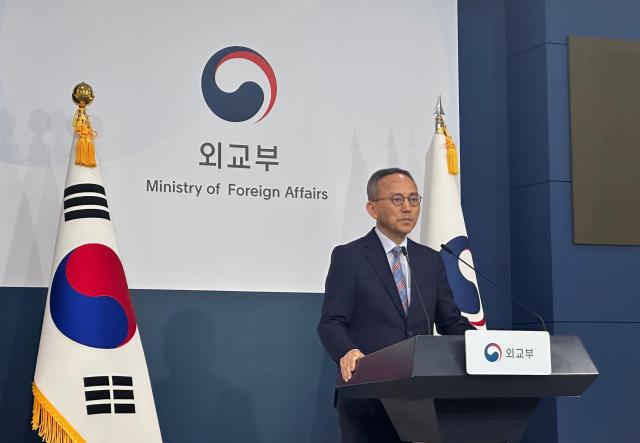
The government said Washington understands Seoul's plans and that the two sides remain in "close consultations" following the launch of follow-up talks on security agreements earlier this month.
"As you know, South Korea and the United States held a launch meeting on June 2 and 3 for follow-up consultations on security agreements included in the joint fact sheet," a Foreign Ministry official told AJP during a regular briefing.
"During the meeting, our side explained in detail our basic plan for developing nuclear-powered submarines," the official said.
"The two sides share an understanding on the importance of such cooperation, and the government will continue close consultations with the U.S. side to produce substantive results based on that understanding."
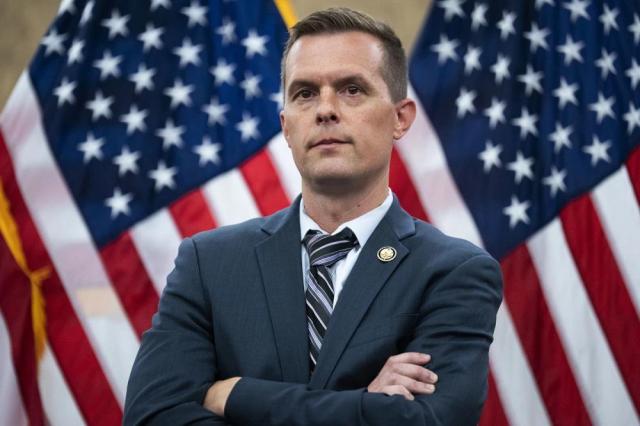
The measure is aimed at preventing the U.S. Navy from outsourcing warship construction overseas amid debate in Washington over whether allied shipbuilders in South Korea and Japan should help address chronic delays and capacity shortages in the U.S. shipbuilding industry.
"American military spending should support American jobs," Golden said after the committee vote.
"The idea that we would build any portion of our surface fleet on foreign soil with foreign labor is unconscionable."
The amendment represents a setback for proposals associated with the "Make American Shipbuilding Great Again" initiative, which envisioned a larger role for Korean capital and shipbuilders in revitalizing U.S. shipbuilding capacity.
Still, Seoul does not appear to view the congressional move as directly targeting its own nuclear-powered submarine program.
According to government officials, South Korea's plan centers on building the submarines domestically using South Korean shipyards and technology while seeking cooperation from the United States on low-enriched uranium fuel.
The proposal has become a key element of Seoul's effort to strengthen deterrence against North Korea's expanding submarine-launched ballistic missile and nuclear capabilities.
The House provision specifically targets U.S. Navy combat vessels rather than allied naval programs.
The NDAA amendment is also far from becoming law. The House bill must still pass the full chamber before being reconciled with the Senate's version of the defense authorization legislation.
Nevertheless, the debate has highlighted growing resistance within parts of Washington to expanding foreign participation in sensitive naval programs.
Sen. Angus King of Maine was quoted by Breaking Defense as saying that building ships and destroyers in South Korea or Japan would be "the worst idea since the Red Sox traded Babe Ruth to the Yankees."
"It doesn't make sense to be handing over that level of technology, even to our allies," he said.
Golden has similarly argued that U.S. shipbuilding jobs should remain in the United States.
"In the same year that American shipbuilders might get laid off, the U.S. Navy wants to employ foreign workers," he said, according to Breaking Defense.
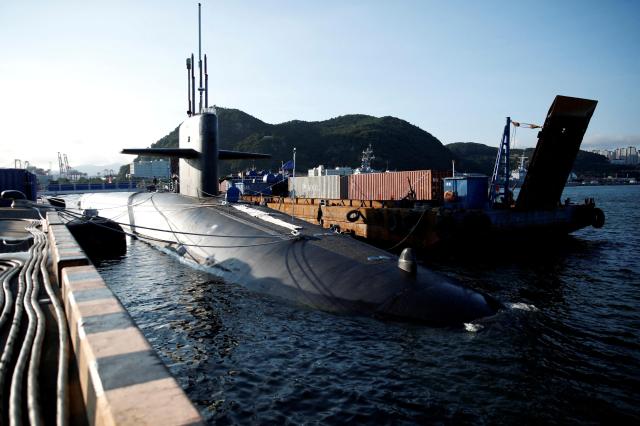
A senior industry official familiar with the matter said there remains strong resistance within parts of the U.S. Navy toward relying on foreign shipyards, while skepticism persists inside the Pentagon over transferring sensitive naval technologies.
The State Department appears more open to discussions, the official said, but lacks the authority to move forward without broader consensus across the U.S. national security establishment.
South Korean and U.S. officials agreed after the June 2-3 launch meeting to move as quickly as possible toward tangible outcomes and establish a mechanism to review progress throughout the year.
No timetable has been announced for the next round of consultations.

Copyright ⓒ Aju Press All rights reserved.