

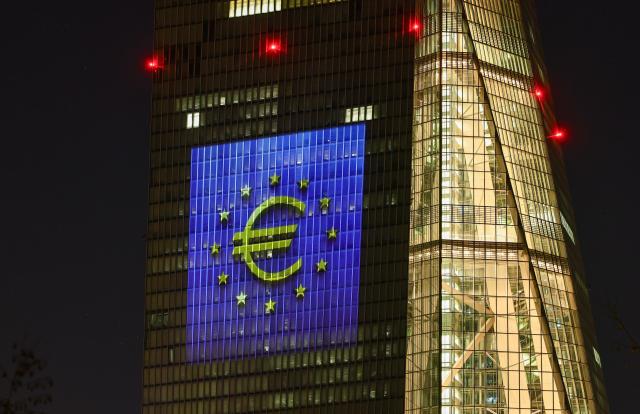
The ECB had previously lowered the deposit rate from 4.00% to 2.00% in June of last year, shifting its policy direction to tightening after a year of easing.
The ECB is the first central bank in the G7 economies to raise rates following the surge in energy prices triggered by the outbreak of conflict in the Middle East at the end of February. The bank stated, "The Middle East conflict is exerting upward pressure on prices," adding that the decision positions them well to navigate the uncertainties brought about by the war.
Reflecting the inflation trend, the ECB revised its consumer price inflation forecast for the eurozone (21 countries using the euro) from 2.6% to 3.0% for this year, and from 2.0% to 2.3% for next year. The growth forecast was slightly lowered from 0.9% to 0.8% for this year, and from 1.3% to 1.2% for next year.
With this rate hike, the gap between the ECB's deposit rate and South Korea's base rate (2.50%) is now 0.25 percentage points, and the difference with the United States (3.50% to 3.75%) has narrowed to 1.25 to 1.50 percentage points. The new rates will take effect on June 17.
* This article has been translated by AI.
Copyright ⓒ Aju Press All rights reserved.