

The restructuring of non-performing loans in real estate project financing (PF) has led to an increase in savings banks returning to profitability, resulting in a decrease in the number of financial firms facing increased deposit insurance premiums.
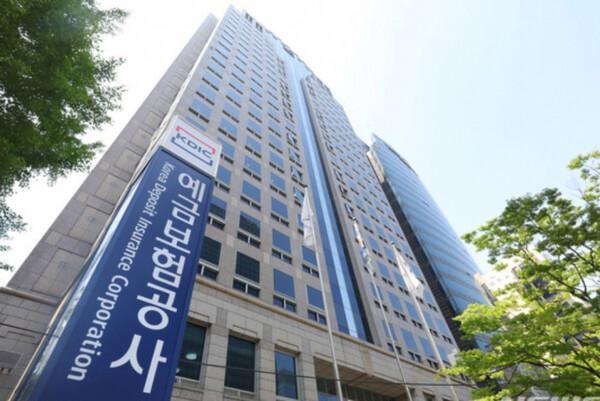
According to the Deposit Insurance Corporation on June 15, an evaluation of 269 insured financial companies at the end of last year revealed that the number of firms receiving a discount rating for deposit insurance premiums rose by 17 to a total of 59. In contrast, the number of firms with increased premiums dropped from 100 to 84, a decrease of 16. The standard rating accounted for 126 firms.
The differential deposit insurance premium rate system applies different rates based on the financial and operational status of financial companies. Firms in good financial health can receive a discount of up to 10% from the standard premium rate for their sector, while those in weaker positions may pay up to 10% more.
Notably, savings banks showed significant improvement. As more savings banks successfully addressed non-performing real estate PF loans and returned to profitability, the number of firms facing increased premiums decreased sharply.
Conversely, the banking sector experienced a decline in the number of firms receiving discount ratings compared to the previous year, influenced by stricter liquidity regulations and a downturn in the domestic economy affecting asset quality. The insurance and financial investment sectors remained evenly distributed around the standard rating.
This year, the total deposit insurance premiums expected to be paid by financial companies is projected to reach 25.64 trillion won, an increase of 69.5 billion won from the previous year. However, most of this increase is attributed to a rise of approximately 150 trillion won in insured deposits, with only 2.8 billion won of the increase resulting from changes in evaluation ratings.
* This article has been translated by AI.
Copyright ⓒ Aju Press All rights reserved.