

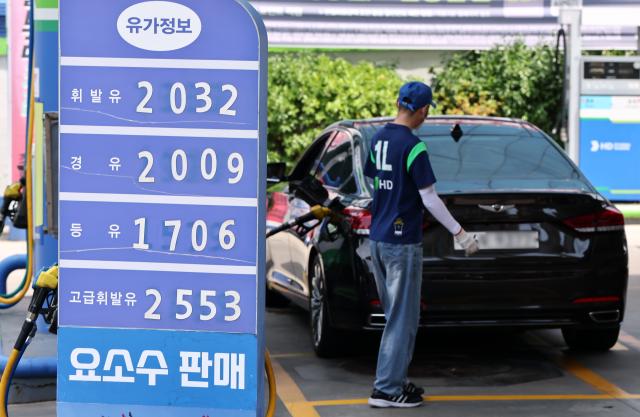
According to industry sources on June 15, major energy agencies and investment banks predict that international oil prices will stay high through the fourth quarter. Goldman Sachs has forecasted Brent crude prices at $90 per barrel and West Texas Intermediate (WTI) at $83 per barrel for Q4. The Korea Energy Economics Institute also anticipates Dubai crude prices to be around $83 in the same period.
The end of the conflict does not guarantee a swift return to pre-war oil prices. Attacks from Iran have damaged production and export facilities in the Gulf region, including Kuwait and the United Arab Emirates, leading to production disruptions. Normalizing damaged equipment and port schedules will take time. Additionally, it takes about three weeks for crude oil to travel from the Middle East to Asia, and the reactivation of oil fields, refining facilities, and export terminals that were halted during the conflict is necessary. Other factors, such as shipping insurance costs, risk premiums, port congestion, and existing contract volumes, also remain.
However, Industry Minister Kim Jeong-kwan has indicated that the timing for ending the oil price cap will depend on factors such as the end of the war, normalization of the Strait of Hormuz, and oil prices around $90. Following President Donald Trump's announcement of a ceasefire agreement, WTI, Brent, and Dubai crude prices all fell to around $80 per barrel, providing a clearer justification for ending the price cap.
The price cap poses challenges for the government, refiners, and gas stations alike. The government has allocated 4.2 trillion won for a six-month extension of the price cap to compensate refiners for losses incurred during the program. However, refiners claim they have already accumulated losses of 4 trillion won just three months into the program. While the government plans to calculate losses based on production costs, refiners argue that the difference between international product prices should also be considered, leading to ongoing disputes over compensation criteria.
The government faces a dilemma: extending the price cap increases the financial burden on taxpayers to cover refiner losses, while lifting it too quickly could exacerbate high oil prices, affecting logistics costs and consumer prices. The refining industry is struggling with high crude import costs due to elevated oil prices, yet their selling prices are capped, leading to accumulated losses and uncertainty over compensation criteria and timing. Gas stations also express concerns that a sudden end to the price cap could disrupt their purchasing price calculations and inventory management.
An industry insider stated, "The longer the price cap lasts, the greater the losses for refiners and the government's compensation burden. It would be better to end it sooner. However, contracts for August shipments have already been finalized at high prices, and with remaining shipping and insurance costs, a delay in the decline of oil product prices is inevitable."
* This article has been translated by AI.
Copyright ⓒ Aju Press All rights reserved.