

According to a report by Vivek Dhar, an analyst at the Commonwealth Bank of Australia, Brent crude futures could drop to $80 per barrel by year-end, assuming a swift resumption of oil and petroleum product exports through the Strait of Hormuz. This projection was made on June 14, local time.
Dhar noted that even if the volume of oil passing through the strait recovers to only 60-70% of pre-war levels, the market could revert to previous forecasts of oversupply. He pointed out that alternative pipelines bypassing Hormuz and ongoing increases in supply from non-OPEC+ countries this year could alleviate concerns about supply shortages, even without a full normalization of shipping traffic.
Following news of the agreement, international oil prices have already begun to decline. The nearest Brent crude futures contract fell 3.9% to $83.90 per barrel. According to the Associated Press, West Texas Intermediate (WTI) crude also dropped to $80.85.
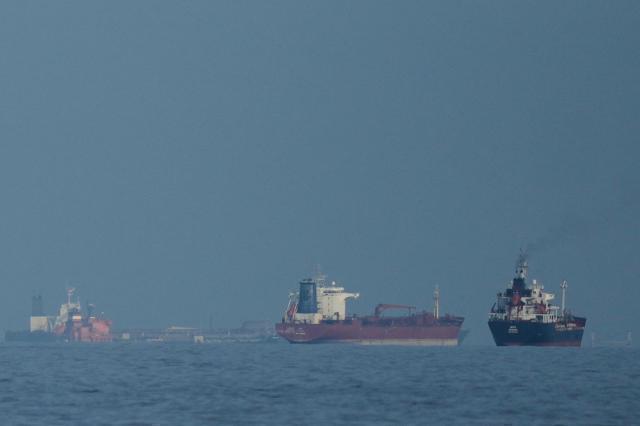
However, the speed of actual export resumption remains uncertain. The AP reported that oil-laden vessels have been stranded in the Persian Gulf for over three months, and safe navigation assurances and insurance will be necessary to resume shipping. Additionally, it may take time for new tankers to arrive and load oil after the stranded vessels depart.
The pace of normalization may vary among oil-producing countries. Saudi Arabia and the United Arab Emirates have alternative transport routes, allowing them to increase production relatively quickly. In contrast, Iraq faces significant production halts and complex reactivation of oil fields, which could slow its recovery.
* This article has been translated by AI.
Copyright ⓒ Aju Press All rights reserved.