

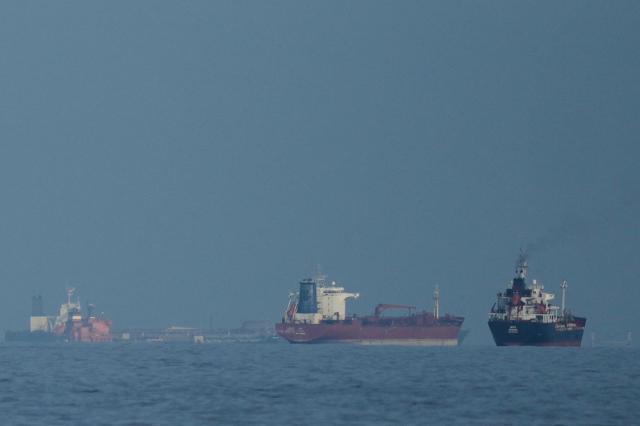
Bloomberg reported on June 15, citing key market experts, that the agreement could alleviate concerns over supply disruptions and reduce upward pressure on oil prices. However, it noted that shipping companies, insurers, and refiners will need time to regain trust in the Hormuz route.
Haris Kurshid, chief investment officer at Chicago-based Karobar Capital, stated, "Just because the strait is reopening doesn't mean trade will normalize immediately. Logistics can resume quickly, but rebuilding trust will take time."
Additionally, many importing countries and businesses have secured alternative routes and suppliers during the conflict. With some already having changed their procurement methods, returning to the previous trading structure may prove challenging even if the Hormuz Strait reopens.
There are also hurdles to resuming operations. Charu Chanana, chief investment strategist at Saxo Markets, pointed out that mine clearance, shipping insurance costs, port congestion, and geopolitical surprises could slow down oil transportation.
Priyanka Sachideva, an analyst at Singapore-based multi-asset broker Phillip Nova, assessed that the economic burden from rising energy prices and some infrastructure damage would not recover quickly.
Predictions indicate that oil prices are unlikely to drop significantly in the short term. Tony Sycamore, a market analyst at online trading firm IG Australia, suggested that countries might seek to replenish reduced inventories and strategic reserves following the reopening of the strait. He noted that recent expectations of a price drop have already been largely factored into the market.
Lin Tran, a market analyst at online broker XS.com, added that if oil demand remains strong while supply recovery is slower than expected, prices could find support again.
The stability of the agreement's implementation is also a concern. Chris Weston, head of research at Australian online forex and CFD broker Pepperstone Group, remarked that the US-Iran agreement remains unstable, with issues such as Iran's demands for reconstruction support and frozen assets likely to become contentious.
Sarah Bakshuri, CEO of energy consulting firm SVB Energy International, noted that importing countries and businesses will increasingly explore alternative logistics and supply sources, indicating a potential for long-term changes.
The recovery of trade is expected to occur gradually. Xavier Tang, chief market analyst at energy and shipping data analytics firm Vortexa, explained that once the agreement is finalized and insurers guarantee vessel operations, the movement of empty tankers will increase first, followed by a gradual resumption of oil production and refinery operations.
Selena Ling, chief economist at Singapore's OCBC Bank, also stated that it will take time for production facilities affected by bombings or shutdowns to return to full operation.
* This article has been translated by AI.
Copyright ⓒ Aju Press All rights reserved.