

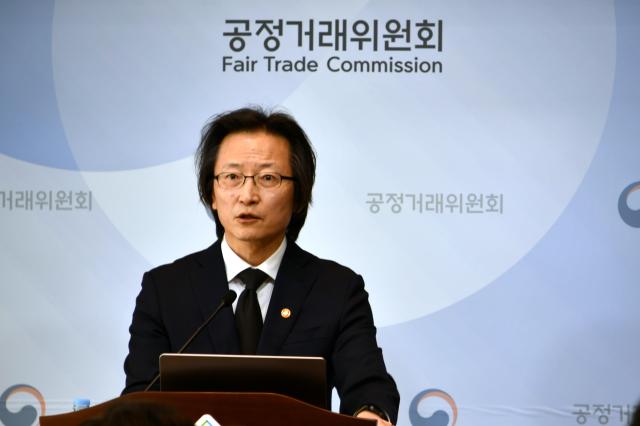
Joo Byeong-gi, Chair of the Fair Trade Commission [Photo: Fair Trade Commission]
On June 15, Joo Byeong-gi, Chair of the Fair Trade Commission, stated, "The gap in bargaining power between suppliers and dealers is significant, making it difficult for cooperative practices to spread throughout the market." He announced plans to introduce collective bargaining rights under the Dealer Law and establish procedures for contract termination to address this imbalance.
Joo made these remarks during a visit to the Maeil Dairies factory in Pyeongtaek, Gyeonggi Province. Maeil Dairies has received the highest rating for five consecutive years in evaluations of compliance with fair trade agreements in the dealer sector. This visit aimed to observe successful examples of cooperation and hear firsthand experiences from dealers.
He emphasized, "Dealers play a crucial role as a distribution network connecting consumers and manufacturers," noting that over 200,000 dealers operate nationwide, serving as vital components of the local economy.
However, he acknowledged that dealers still face structural disadvantages compared to headquarters, with poor negotiating positions regarding transaction terms. He pointed out that rising raw material prices, increased interest and rent burdens, and prolonged consumer spending declines have exacerbated challenges in the field.
Joo noted that since the Dealer Law was enacted in 2015, the Fair Trade Commission has worked to promote fairness in dealer transactions, but regulations alone have limitations. He stressed the importance of fostering a culture where headquarters and dealers grow together.
During the visit, Maeil Dairies presented examples of fair trade and cooperative practices, including the full implementation of a standard dealer contract that specifies the dealer's right to request adjustments in supply prices, guarantees the dealer's choice of sales policies, and ensures long-term contracts with transparent termination procedures.
Additionally, dealers shared their experiences of cooperation through various sales support policies and welfare programs provided by Maeil Dairies.
Joo concluded, "Cooperation is significant as it represents a process where headquarters and dealers enhance their competitiveness together. The Fair Trade Commission will continue to provide institutional support to improve the dealer transaction environment."
Joo made these remarks during a visit to the Maeil Dairies factory in Pyeongtaek, Gyeonggi Province. Maeil Dairies has received the highest rating for five consecutive years in evaluations of compliance with fair trade agreements in the dealer sector. This visit aimed to observe successful examples of cooperation and hear firsthand experiences from dealers.
He emphasized, "Dealers play a crucial role as a distribution network connecting consumers and manufacturers," noting that over 200,000 dealers operate nationwide, serving as vital components of the local economy.
However, he acknowledged that dealers still face structural disadvantages compared to headquarters, with poor negotiating positions regarding transaction terms. He pointed out that rising raw material prices, increased interest and rent burdens, and prolonged consumer spending declines have exacerbated challenges in the field.
Joo noted that since the Dealer Law was enacted in 2015, the Fair Trade Commission has worked to promote fairness in dealer transactions, but regulations alone have limitations. He stressed the importance of fostering a culture where headquarters and dealers grow together.
During the visit, Maeil Dairies presented examples of fair trade and cooperative practices, including the full implementation of a standard dealer contract that specifies the dealer's right to request adjustments in supply prices, guarantees the dealer's choice of sales policies, and ensures long-term contracts with transparent termination procedures.
Additionally, dealers shared their experiences of cooperation through various sales support policies and welfare programs provided by Maeil Dairies.
Joo concluded, "Cooperation is significant as it represents a process where headquarters and dealers enhance their competitiveness together. The Fair Trade Commission will continue to provide institutional support to improve the dealer transaction environment."
* This article has been translated by AI.
Copyright ⓒ Aju Press All rights reserved.