

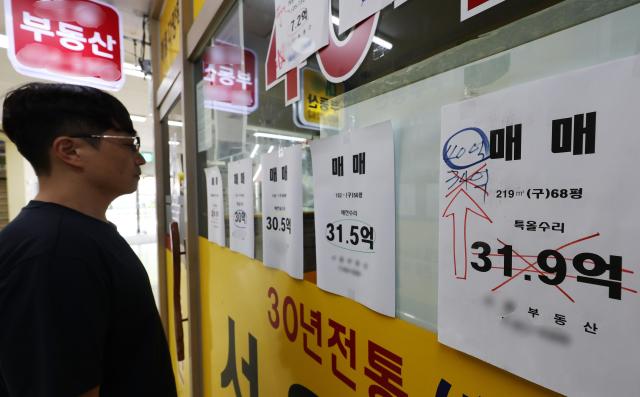
According to data from the Seoul Real Estate Information Plaza, the average transaction price for apartments in Gangnam District has approached levels seen a year ago. This indicates that expectations for high prices in the Gangnam luxury market are reviving despite government regulations. High-end transactions, which had been suppressed for a time, are beginning to move again.
Over the past year, the government has tightened lending, expanded regulated areas, and increased tax burdens on multiple homeowners. The message was clear: to stem the flow of money into real estate and curb speculative demand. Yet, the market has not remained subdued for long. Why are home prices not responding to government directives?
Real estate prices tend to react to actual conditions before they respond to government announcements. Taxes can alter the flow of listings, while lending restrictions change the pathways of demand. The land transaction permission system can reduce transactions while simultaneously increasing the scarcity of preferred areas. The issue lies not in the government's will but in how policies actually function.
The resumption of increased capital gains tax for multiple homeowners is a prime example. Before the tax hike, properties may be listed for tax-saving purposes. However, once the deadline passes, sellers often hold onto their properties. If the tax burden is significant, the incentive to hold rather than sell increases. Preventing transactions and lowering price expectations are not the same. When listings dry up, regulations can have the opposite effect, confirming scarcity rather than suppressing prices.
Instability in the rental market also stimulates the sales market. As rental prices rise and listings decrease, genuine buyers weigh the uncertainty of future contracts against the government's promises of stability. The mindset may shift from “prices will drop if I wait” to “I need to buy before it’s too late.”
A larger variable is supply. Even if the government talks about increasing supply, buyers focus on actual construction and occupancy rather than announcements. The number of permits is less important than when construction begins and when units will be available. If the supply timeline is uncertain, regulations are perceived as factors that increase scarcity rather than suppress prices.
Lending restrictions are necessary. Managing household debt is a fundamental responsibility of the government. However, if the market is segmented by a single price point and fails to adequately distinguish between genuine demand and investment demand, regulations can create workarounds and distortions. It is essential to protect the housing ladder for first-time buyers while blocking speculative demand and circumvention of lending rules.
Home prices respond more to market conditions than to government intentions. If taxes lock up listings, rental markets are unstable, and supply is uncertain, price expectations will rise again. What the government needs to do is not to issue stronger statements but to protect genuine buyers, curb speculative demand, and confirm supply plans through actual construction and occupancy. It is not slogans that drive home prices but credible policies that the market can trust.
* This article has been translated by AI.
Copyright ⓒ Aju Press All rights reserved.