

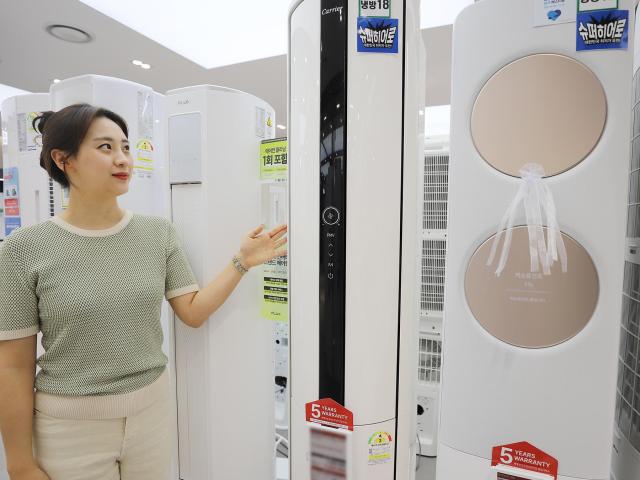
The early arrival of a heat wave and tropical nights is accelerating summer consumption in the retail sector. Demand for cooling appliances like air conditioners and fans, as well as refreshments such as ice cream and samgyetang (ginseng chicken soup), is rising sharply. With the summer peak season starting earlier, industry expectations are growing.
According to the Korea Meteorological Administration, a heat wave warning was issued for southeastern and southwestern Seoul at 2 p.m. on June 18, marking the earliest such warning since last year, which was issued on June 30. From June 13 to June 18, daytime temperatures in Seoul exceeded 30 degrees Celsius for six consecutive days. There is a 60% chance that average temperatures in June and July will exceed normal levels. Additionally, the average temperature nationwide in May was 18.6 degrees Celsius, 1.3 degrees higher than the norm, making it the hottest since records began in 1973.
The early heat has led to a surge in sales of cooling appliances. E-Mart reported that from June 1 to June 17, sales of system air conditioners increased by 181.6% compared to the same period last year. Wall-mounted air conditioners saw a 31.5% rise, while stand-alone units increased by 12.6%. A similar trend was observed online; according to price comparison platform Danawa, sales of dehumidifiers rose by 75%, fans and air coolers by 36%, and air conditioners by 10% during the same four-week period.
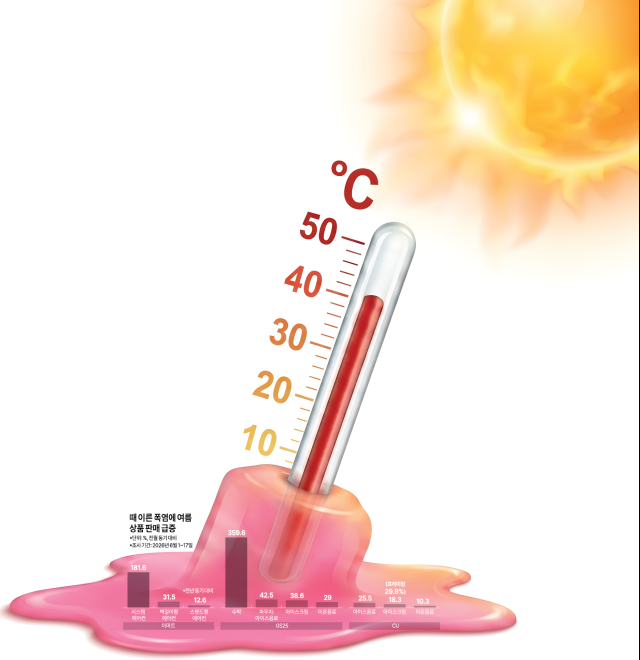
Convenience stores are seeing strong sales of products that can quickly cool down consumers. GS25 reported that from June 1 to June 17, sales of watermelon surged by 359.6% compared to the previous month. Sales of pouch drinks increased by 42.5%, ice cups by 39.3%, ice cream by 38.6%, and electrolyte drinks by 29%. During the same period, CU's ice cream sales rose by 18.3%, with premium ice cream increasing by 29.9%. Sales of ice (25.8%) and ice drinks (25.5%) also saw significant growth.
The increase in convenience store demand is also influenced by changing consumer patterns. More shoppers are opting for nearby convenience stores to purchase small quantities of fruit or drinks instead of traveling to larger supermarkets, boosting sales across the convenience food category. As the heat persists, consumers seem to prefer the convenience of quick purchases at nearby stores.
The landscape of health food consumption is also shifting. There is a growing trend of consumers opting for easy-to-prepare meals at home rather than dining out. According to the Korea Consumer Agency's price information portal, 'Chamgak,' the average price of samgyetang in Seoul was reported at 18,154 won last month. Some restaurants are charging over 20,000 won for a single serving, leading to increased demand for ready-to-eat versions that can be easily heated at home. E-Mart's sales of samgyetang convenience meals from June 1 to June 17 rose by 86.2% compared to the same period last year. The 'Olban Samgyetang' from Shinsegae Food, priced between 8,000 and 9,000 won, sold 20,000 units in May, a 15% increase from the previous year.
High inflation is also driving the demand for convenience meals. According to the National Data Agency's recent report on consumer price trends for May, the consumer price index rose to 119.92, a 3.1% increase compared to the same month last year. This marks the first time in 26 months that the inflation rate has reached the 3% range. Dining out costs increased by 2.6%, prompting consumers to shift towards lower-priced convenience meals that still provide nutritious options.
An industry insider noted, “In previous years, demand for summer products typically surged after the rainy season, but this year, the heat wave starting in May has pushed the peak season response forward by about a month. Competition among companies to capture demand for weather-sensitive appliances and food and beverages will intensify.”
* This article has been translated by AI.
Copyright ⓒ Aju Press All rights reserved.