

According to reports from Reuters and the Financial Times on June 29, the peace agreement facilitated by the U.S. focuses on the phased withdrawal of Israeli troops, the deployment of Lebanese forces in the south, and the disarmament of Hezbollah.
Both countries agreed to respect each other's sovereignty and to end the state of war.
However, immediately following the agreement, hardliners in Israel expressed concerns that the U.S. linked the Lebanon issue to negotiations for a ceasefire with Iran. Israeli Defense Minister Yoav Gallant stated, "Linking the two conflicts serves U.S. interests," adding, "Israel will not fully withdraw from Lebanon until Hezbollah is disarmed."
In Lebanon, opposition is also strong. Nabih Berri, the Speaker of the Lebanese Parliament, criticized the agreement, stating, "This agreement will not be implemented," and warned that it could exacerbate internal divisions. Hezbollah's Secretary-General Naeem Qassem labeled the agreement a 'serious mistake,' claiming it could lead to Israel's annexation of Lebanese territory.
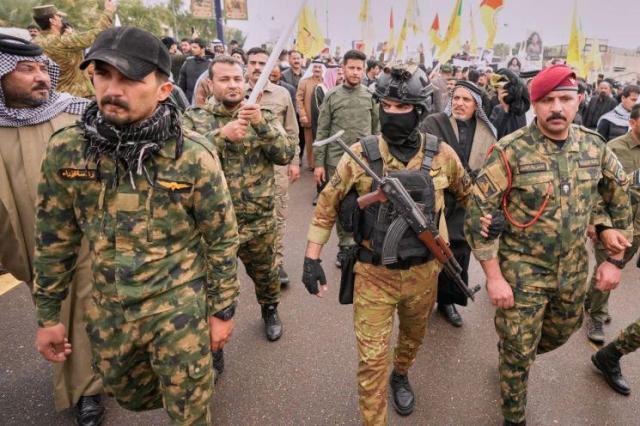
Concerns are growing that the agreement could lead to a clash between the Lebanese government and Hezbollah. The Financial Times reported that if the Lebanese government attempts to push for Hezbollah's disarmament during the implementation process, it could spark internal armed conflict. Indeed, shortly after the signing, Hezbollah supporters in Beirut protested by burning tires and blocking major roads.
The U.S. has treated the cessation of hostilities on the Lebanon front as a key condition in the ceasefire negotiations between Israel and Iran. However, the absence of Hezbollah from the agreement and Israel's conditional withdrawal have limited the agreement's effectiveness from the outset.
* This article has been translated by AI.
Copyright ⓒ Aju Press All rights reserved.