

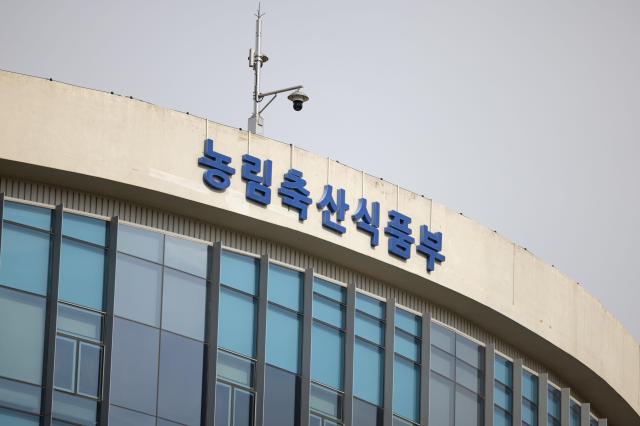
According to the Ministry of Agriculture, Food and Rural Affairs and the livestock industry, 86,000 Brazilian eggs arrived in Korea via air on June 30. These eggs will undergo safety inspections by the Ministry of Food and Drug Safety for about a week, checking for salmonella and other safety concerns.
The ministry plans to import a total of 1.12 million Brazilian eggs through seven flights by July 4. A ministry official explained, "There are no direct flights between Korea and Brazil, so we decided to import them in batches." On July 7, an additional 207,000 fresh eggs will be imported.
Once the Brazilian eggs pass safety inspections, they will be distributed to retailers such as E-Mart and Lotte Mart around July 8. The wholesale price will be set at approximately 70% of the market price, with an expected additional cost of about 1,000 won during distribution. The ministry anticipates that the consumer price for a carton of 30 eggs will be around 6,000 won, similar to American eggs, specifically large white eggs produced in narrow cages.
This is the first time Brazilian eggs have entered the South Korean market. Previously, the government imported eggs from the U.S. (white eggs) and Thailand (brown eggs) during periods of supply instability due to hygiene concerns. However, following the outbreak of avian influenza last winter and the prolonged rise in egg prices, Brazil was added as a new source.
As of today, the average retail price for a carton of eggs is 7,583 won, which is 8.1% higher than last year and 10.7% above the average. The recent culling of 11.34 million hens, accounting for about 14% of the total laying hen population, has led to a 3.3% decrease in egg production, now at 47.05 million eggs compared to a year ago.
The government is making every effort to stabilize the egg supply through additional imports. By next month, it plans to import an additional 200 million fresh eggs while also implementing a 20% discount on all egg products to ease the burden on consumers. Eggs are widely used in various processed foods, and rising prices could lead to increases in the cost of multiple items.
However, there are criticisms regarding the sustainability of the government's egg import policy. An industry representative stated, "Many farms were forced to cull and preventively dispose of hens due to the AI outbreak last year, and compensation for these losses has yet to be paid. If the re-establishment of farms is delayed, the egg supply situation may not improve as expected," adding that support for domestic egg farmers in terms of production infrastructure and funding is essential alongside imports.
Additionally, the representative pointed out the contradiction in urging domestic farms to increase cage space while importing Brazilian eggs raised in even smaller spaces, noting that hygiene concerns have led other countries to be cautious about importing Brazilian eggs.
* This article has been translated by AI.
Copyright ⓒ Aju Press All rights reserved.