SEOUL, July 21 (AJP) — "Ulsoo!" The spirited exclamation that punctuates BTS's hit song "Idol" comes from Pansori, Korea's traditional musical storytelling in which audiences cheer performers over the hypnotic yet exhilarating beat of the janggu drum.
That same call-and-response energy also defines Madanggeuk, Korea's open-air folk theater where music, dance, satire and audience participation blur the line between performers and spectators.
Now, those centuries-old traditions are finding new audiences through ARKO SUM FESTA, as artists reinterpret Korean heritage while organizers work to ensure it remains accessible — even dispatching vans to bring elderly villagers to performances.
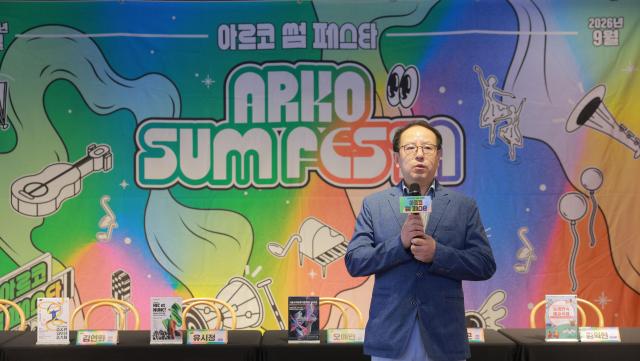
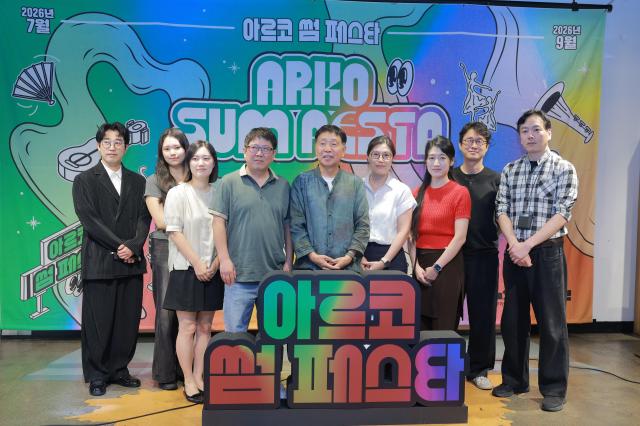
Arts Council Korea (ARKO) on Tuesday unveiled the second lineup of ARKO SUM FESTA, featuring eight performing arts festivals to be held across the country from August through September. The events complete a 15-festival nationwide program uniting independently organized dance, music, theater and traditional arts festivals under one banner.
Traditional arts occupy the center of this year's lineup, with organizers focusing on three challenges: preserving disappearing performance traditions, encouraging younger artists to reinterpret them and expanding access to audiences often left behind.
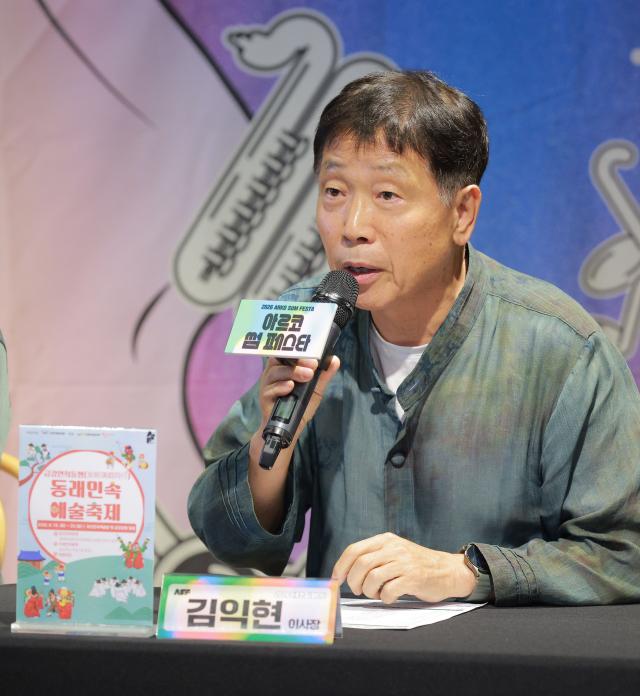
In Busan, the Dongnae Folk Arts Festival, organized by an association established in 1965, will devote its second day to students studying traditional performing arts, highlighting efforts to cultivate the next generation of performers.
Association chairman Kim Ik-hyeon warned that enrollment in traditional arts training programs has continued to decline.
"Our responsibility is to interpret these traditions and find ways for them to connect with today's generation," Kim said.
Scheduled for Sept. 19-20, the festival preserves five local traditions, including the state-designated Dongnae Yaryu mask dance drama, Dongnae Hakchum crane dance and Jisin Balbgi, a traditional ground-blessing ritual. This year's program will also feature a Japanese creative taiko ensemble and performances led by younger practitioners.
Younger artists will also take center stage at the 16th Chum & Pan Gomusin Dance Festival, where 24 emerging choreographers — twice last year's number — will collaborate on a joint production.
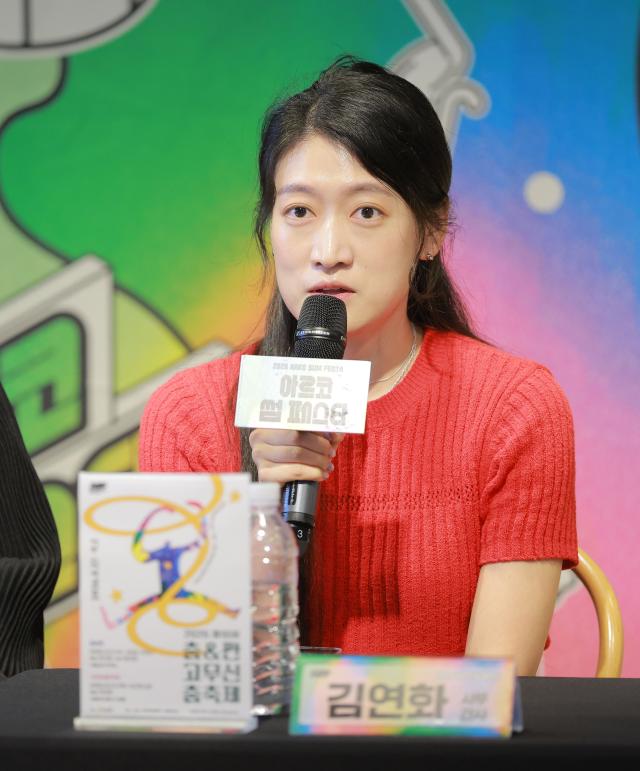
Kim Yeon-hwa of the Korean Dance Association said the festival's traditional dance performances consistently attract more overseas ticket buyers, both online and at the venue, than any of the organization's other events, reflecting growing international interest in Korean dance.
Running in Seoul from Aug. 27 to Sept. 5, the festival will present inherited repertoire alongside newly created works and contemporary reinterpretations of traditional Korean dance.
Accessibility remains another defining theme.
In Cheongju, the Rural Madanggeuk Grand Festival will continue a tradition it began more than two decades ago by operating shuttle vans that transport elderly residents from surrounding villages to live performances.
Organizer Kim Chang-gon said the idea emerged after his theater company relocated to a rural village of about 20 households and discovered many older residents rarely attended performances because of transportation difficulties and costs.
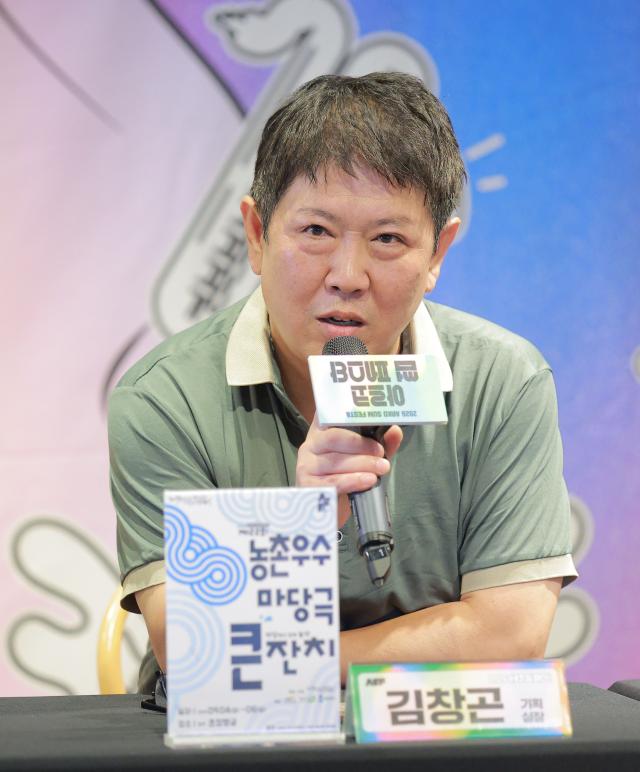
The company initially operated four vans, providing transportation, meals, performances and return trips. While audiences have since expanded to include families, the transportation service for senior residents remains a core part of the festival.
The lineup also stretches beyond traditional performance.
British tenor Ian Bostridge will perform Mahler with the Sejong Soloists at the Hic et Nunc! Music Festival on Aug. 26, while the Seoul International Computer Music Festival will merge electronic sound, digital media and traditional Korean instruments under the theme "Time Synthesis."
The Chuncheon Performing Arts Festival will feature Liquid Sound, a Korean performance group officially invited to the 2026 Avignon Festival, alongside dance, theater, music and children's productions staged throughout the city.
The eight festivals will take place in Seoul, Chuncheon, Busan, Cheongju and Gwangmyeong through Sept. 20, presenting Korea's performing arts not as museum pieces but as living traditions evolving for new generations at home and abroad.
Copyright ⓒ Aju Press All rights reserved.