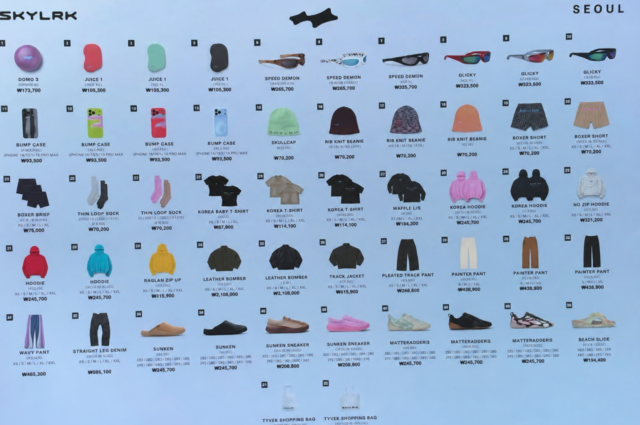
The queue for Justin Bieber's SKYLRK pop-up in Seoul began forming a day in advance. So did the line for Friday's pickup of Apple's new foldable phone.
Seasoned queuers brought camping chairs and passed the time playing games or reading. Some befriended strangers or caught up with friends who shared their interests. Food and tips on staying warm circulated among those waiting.
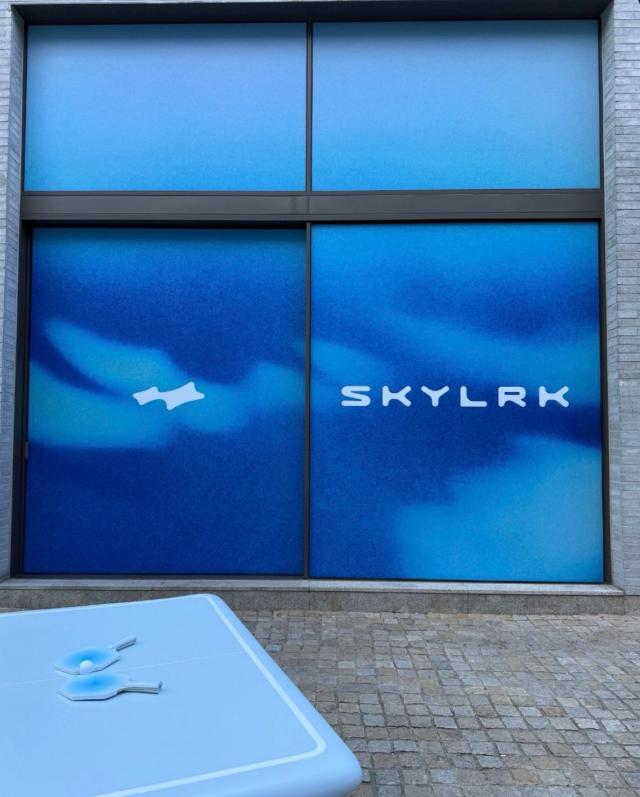
Kim Sung-min, a 34-year-old office worker, had arrived at 6 a.m. Eight hours later, he was still outside among more than a hundred people waiting to buy a hoodie. He just hoped there would be one left in his size.
"I really like Justin Bieber, and I really want something from the brand he created," Kim said. "It's about being a fan."
As he shared his excitement, someone behind him gave up and left.
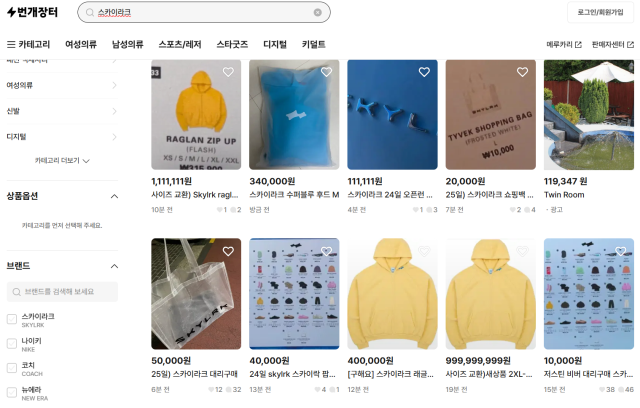
"There are just too many people ahead," the departing shopper said, adding that buying through resale or other platforms might be smarter.
To onlookers, waiting since the small hours just to make a purchase may hardly look smart.
South Koreans call the early rush to secure a purchase an "open run." The phrase suggests speed. Much of the experience involves staying put.
Outside fashion pop-ups, dessert shops and newly opened restaurants, shoppers spend hours pursuing things others cannot imagine waiting for.
Part of the reward is what they hope to take home. Part is simply being there: sharing an interest, trying something new or enjoying the anticipation of a long-wanted purchase.
"When you finally get exactly what you wanted after waiting so long — that feeling is incredible," he said.
Bang Hae-jin, a professor at Kookmin University who teaches consumer marketing and psychology, said the effort of obtaining a product can become part of its appeal.
Shoppers may attach greater value to something they have spent time pursuing. Those around them offer companionship and reinforce the feeling that the item is worth having.
"Waiting becomes part of the experience rather than simply a cost," Bang said.
For fans, attachment to an artist can give merchandise meaning before they have examined its fabric or fit. Wearing it expresses that attachment. Waiting alongside other fans offers a place to share it.
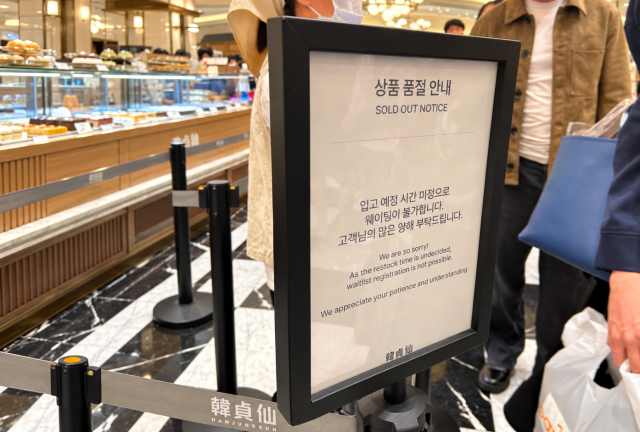
Born in 1999, Lim carries a small chair when she expects to queue. Standing gets tiring, and she would rather have somewhere to sit than settle onto the pavement.
She has waited for Han Jeong Seon, Knotted and Chipotle. When acquaintances ask whether she gets bored, she wonders why the time needs defending.
"Isn't it natural to spend time on something you like?" she said.
If a food item is attracting attention, Lim wants to try it. Other people's enthusiasm may bring it to her notice, but tasting it is how she decides for herself.
"You have to try it to know whether you like it," she said.
The queue can also help her plan the next outing.
People exchange restaurant recommendations, strike up conversations and hold places for one another during bathroom breaks. Lim sees a chance to make friends with people who have chosen to spend their time much as she has.
Not every wait demands the same endurance.
At Han Jeong Seon, she recalled registering for a place and walking around nearby until a notification arrived. Knotted had been tougher, partly because she felt supplies were limited.
A place in line offers no guarantee of what will be left at the counter. Being free to walk around makes the delay easier; worrying about stock makes it harder.
Still, the appeal of buying in person extends beyond securing products unavailable elsewhere.
Among all 1,000 respondents — South Koreans aged 19 to 59 — 43.3 percent said they would be willing to wait for a pop-up involving a brand or field that interested them.
The findings measure willingness rather than hours actually spent queuing, but suggest why a long line does not automatically put shoppers off.
For an unfamiliar restaurant, the queue itself may supply a reason to visit.
Bang said consumers who know little about a product can treat other people's willingness to wait as a clue to its quality. Someone who already knows the product has less to learn from the crowd and may simply see a delay.
Who else is waiting matters, too.
Lim will queue for food but avoids merchandise lines because she dislikes competing with resellers who buy goods to offer them at higher prices.
Someone visiting on a weekend or taking leave from work, she said, cannot necessarily compete with people doing it for a living.
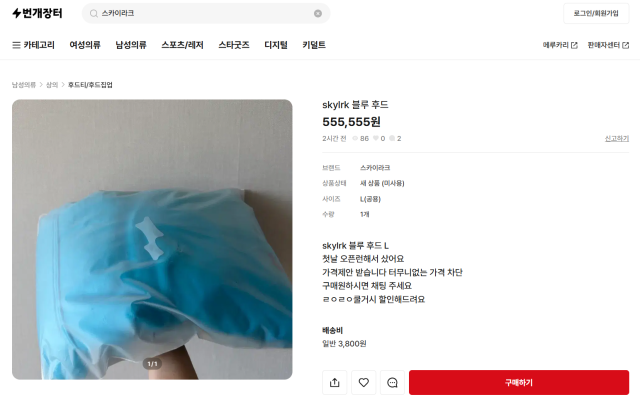
Online, sellers put a price on the alternative to waiting.
For those still in line, walking away can become harder as the hours accumulate.
Bang said shoppers may feel compelled to buy something to justify the time already spent. The effort can also influence how generously they judge what they eventually obtain.
"That means the evaluation becomes more favorable, not that the actual quality has improved," Bang said.
For a generation raised on "hurry, hurry," patience has found its place — at least when there is something worth waiting for.

Copyright ⓒ Aju Press All rights reserved.