

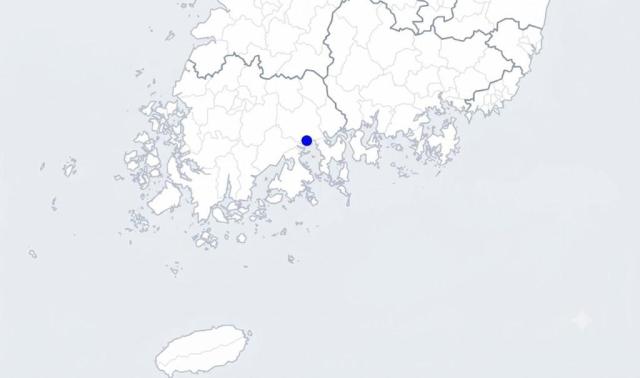
SEOUL, October 20 (AJP) - The first case of highly pathogenic avian influenza this season has been detected in wild bird droppings in Suncheon, prompting health authorities to raise the alert level.
According to the Ministry of Agriculture, Food and Rural Affairs on Tuesday, the infected droppings were found at the southwestern coastal wetland last week and tested positive for the highly pathogenic H5 strain of avian influenza.
The detection comes as migratory birds begin arriving in South Korea for the winter, amid a rise in avian influenza cases overseas. A total of 2,957 such cases were reported in wild birds abroad from January to August, more than double the 1,432 recorded during the same period last year.
The ministry will step up surveillance within 10 kilometers of the site, searching for dead wild birds and tracking migratory birds. Poultry farms and livestock-related facilities in nearby areas will face movement restrictions, additional testing and closer monitoring.
Access by people and vehicles within 3 kilometers of the wetland will also be limited to prevent the virus from spreading.
Authorities urged the public to avoid contact with wild birds and to take extra caution when visiting wetlands, rivers and other migratory bird habitats.
Copyright ⓒ Aju Press All rights reserved.
