

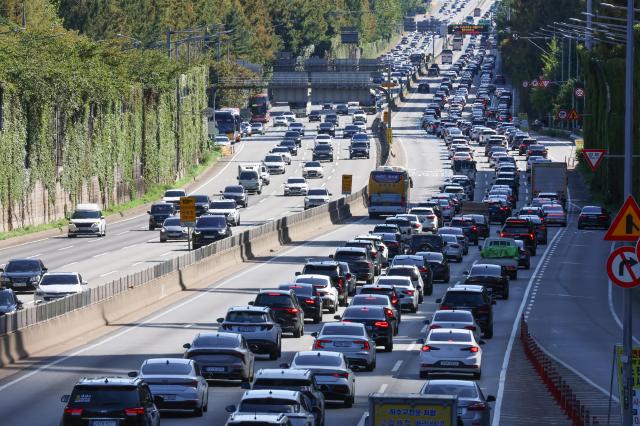
Starting in October, drivers who mistakenly exit a highway can receive a refund of the base toll if they re-enter the same toll plaza within 15 minutes.
The Ministry of Land, Infrastructure and Transport announced on May 19 that it plans to implement a 'highway wrong exit toll reduction' policy, which will waive the base toll for drivers who mistakenly exit and then re-enter the same toll plaza within 15 minutes. Each vehicle will be eligible for this refund up to three times per year.
This initiative follows recommendations made during last year's parliamentary audit, which highlighted the need for improvements (including consultations with the Anti-Corruption and Civil Rights Commission).
During the audit, Representative Son Myung-soo of the Democratic Party noted, "When driving on the highway, if you mistakenly exit, you can quickly re-enter, but you are still charged the base toll again. There are situations where drivers need to exit urgently due to the long distances between rest areas, especially when running low on fuel."
He added, "Looking at Japan's example, they use Hi-Pass technology to waive tolls for drivers who exit near distant rest areas."
The new policy will apply to closed sections of national highways managed by the Ministry of Land, Infrastructure and Transport and the Korea Expressway Corporation. It will be available to vehicles using electronic payment methods that mistakenly exit and re-enter the same toll plaza within 15 minutes.
Previously, drivers who exited incorrectly had to pay the base toll again, even for short distances. The Ministry and the Korea Expressway Corporation will begin developing the necessary systems for this policy starting in May.
The Ministry estimates that approximately 90.2% of re-entering vehicles are cases of mistaken exits occurring within three attempts per year. Once implemented, this policy is expected to result in an annual toll reduction of about 7.5 million cases and a total of 6.8 billion won based on 2025 figures.
* This article has been translated by AI.
Copyright ⓒ Aju Press All rights reserved.