
Ki, a curator and Korean modern art historian, previously spent about 13 years at the MMCA before serving as director of the Busan Museum of Art and a senior official at Seoul's Buk Seoul Museum of Art. She has also taught at Hongik University since 2023. Culture Minister Chae Hwi-young expressed hope that her experience would help the museum connect more closely with the public and expand its international engagement.
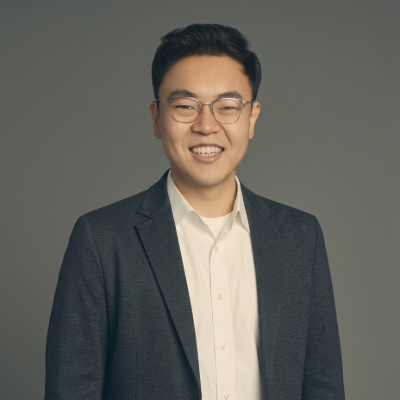
Joonha Yoo
Joonha Yoo is a bilingual journalist at AJU Press (AJP), covering music, culture, entertainment and Korea’s automotive industry.
Raised in Fort Collins, Colorado, he often writes from the scene, bringing firsthand detail to stories ranging
from BTS comeback concerts to unique cultural events that catch the world's eye.
Copyright ⓒ Aju Press All rights reserved.
Related News
-
 Ki Hye-kyung Appointed Director of National Museum of Modern and Contemporary Art
On November 13, Choi Hwi-young, the Minister of Culture, Sports and Tourism, appointed Ki Hye-kyung as the new director of the National Museum of Modern and Contemporary Art (MMCA). Her term will last for three years.Ki Hye-kyung is an exhibition planner with extensive experience in public art museums and research in Korean modern and contemporary art history. She has worked for approximately 13 years as a curator at the MMCA, serving in various roles including at the Deoksugung Museum, the Curatorial Research Department, and the Special Exhibition Task Force at the Seoul branch. She has also held positions as the Operations Director at the Buk-Seoul Museum of Art and as the Director of the Busan Museum of Art. In 2022, she co-edited 'Korean Art Revisited 3: 1990s-2008,' which summarizes Korean contemporary art since the 1990s. Since 2023, she has been dedicated to research and mentoring students at Hongik University’s Graduate School of Art.Minister Choi stated, “The National Museum of Modern and Contemporary Art is a representative museum of the nation that embodies the history of Korean modern and contemporary art and leads the trends of contemporary art. I expect the new director, who has diverse experiences in both the museum field and academia, to bring the museum closer to the public and create a space that resonates with the world.”* This article has been translated by AI.
-
Dunhuang Buddhist Texts Unveiled After 1,000 Years at National Museum
National Museum of Korea will host a special exhibition titled ‘Opening the Millennium Seal – Special Exhibition of Dunhuang Buddhist Texts’ starting October 23 in the Central Asia Gallery. This exhibition showcases four Buddhist texts from the museum's collection and one from the Kyujanggak Institute for Korean Studies at Seoul National University, based on research published in 2025. Notably, the original ‘Heart Sutra’ (Volume 50) from the Kyujanggak collection will be displayed until November 22, after which it will be replaced with a replica. Dunhuang, located in the Gansu province of China, served as a gateway on the Silk Road. The Mogao Caves, particularly Cave 17, known as ‘Library Cave,’ housed over 60,000 cultural artifacts, including Buddhist texts, sealed for nearly a millennium since the 11th century. The Dunhuang documents provide invaluable insights into Buddhist culture and the society of that era. The Buddhist texts in the National Museum's collection include ‘Daizhi Lun’ (Volume 12), ‘Nengyan Jing’ (Volume 5), ‘Heart Sutra’ (Volume 136), and ‘Buming Jing’ (Volume 7 of a 16-volume set), all acquired from the Gyeongbokgung Museum in 1913 during the Japanese occupation. The ‘Heart Sutra’ (Volume 50) at the Kyujanggak Institute was donated by Professor Lee Sang-baek (1904–1966). ‘Daizhi Lun’ (Volume 12) contains a dedication written by a Buddhist believer named Yi Sahyun in 593 during the Sui Dynasty. Emperor Wen of Sui (reigned 581–604), who unified China, promoted Buddhism as a means of national integration, encouraging the copying of texts. The version held by the National Museum is a manuscript produced in Dunhuang during this period of Buddhist text proliferation. ‘Nengyan Jing’ (Volume 5) is preserved in complete form only at the National Museum of Korea, the British Library, and the National Library of China, despite existing copies worldwide. ‘Heart Sutra’ (Volume 136), copied in the 8th to 9th centuries, reflects the historical context of active copying during the Tibetan rule. Currently, only the National Museum of Korea and the British Library hold complete versions of this text. The ‘Heart Sutra’ (Volume 50) from the Kyujanggak Institute, believed to date from the 7th to 8th centuries, will also be featured. ‘Buming Jing’ (Volume 7 of a 16-volume set) is estimated to date from the 9th to 10th centuries. This text reflects popular beliefs that chanting the names of numerous Buddhas can cleanse sins, and it is currently preserved in three separate fragments. The exhibition has been enhanced with the cooperation of the Dunhuang Academy, which has recreated the interior and exterior of Mogao Cave 17 to provide visitors with an immersive experience.* This article has been translated by AI.
-
Kim Eui-gwang Elected President of the Korean Museum Association
Kim Eui-gwang, director of the Mokin Museum, has been elected as the 13th president of the Korean Museum Association. The association announced on October 26 that Kim was elected during a special general meeting held at the National Museum of Korea. He will serve a four-year term starting in 2027. Kim has previously held positions as president of the Korean Association of Private Museums and the Seoul Museum Council. He currently serves as an auditor for the International Council of Museums Korea (ICOM KOREA) and as a director for the National Trust Cultural Heritage Fund. In his acceptance remarks, Kim stated, “I will dedicate myself to enhancing the status of museums and art galleries in our country and to cultural development. I will work to strengthen the association's capabilities and promote the revitalization of museums and art galleries.” Established in 1976, the Korean Museum Association contributes to fostering cooperative relationships and institutional protections among museums and art galleries both domestically and internationally, playing a vital role in the cultural development of museums and galleries in South Korea.* This article has been translated by AI.