SEOUL, September 28 (AJP) - Wedding season has long been a peak period for South Korea’s white-goods makers since couples traditionally purchase their first major appliances with money from their dowries or savings.
But as consumer habits change, manufacturers are trying to build relationships that extend beyond the initial sale.
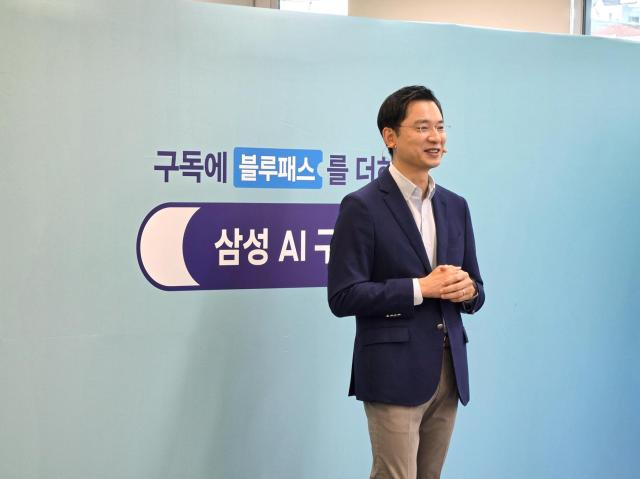
“I think this may be a first — holding a media event solely for a service, without a product,” Lim Sung-taek, vice president and head of Samsung Electronics’ Korea operations, said Monday as the hardware company unveiled a new service for newlyweds.
The message was clear. Selling an appliance is no longer the end of the relationship with the customer.
“What Samsung wants to talk about today does not end at the moment a customer purchases a product,” said Kim Yong-ho, who heads Samsung’s consumer electronics sales team in Korea.
Samsung wants to add delivery, installation and ongoing management to its AI-equipped appliances to take greater control of the customer experience after purchase, Kim said.
Newlyweds are emerging as a key target of that strategy.
Samsung on Monday unveiled the “Newlywed Pass” as part of an overhaul of its two-year-old home-appliance subscription business. The service is aimed at couples who typically purchase several major appliances at once while furnishing their first home.
Newlyweds have long been an important customer group for Korean appliance makers. Marriage often marks the point at which couples establish a household of their own, bringing with it the tradition of honsu — buying furniture, appliances and other household goods for a new marital home.
That can make a wedding one of the few occasions when a household purchases a refrigerator, washing machine, dryer, television, air conditioner and other big-ticket appliances within a short period, rather than replacing them one at a time.
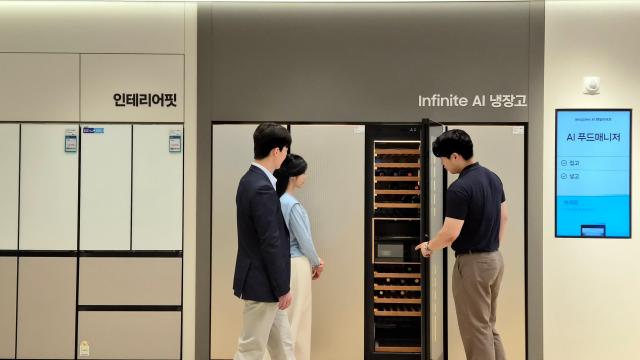
Samsung has positioned itself close to that market. Monday’s briefing was held at Samsung Store Cheongdam in southern Seoul, an area known for its concentration of high-end wedding boutiques and luxury shops.
Samsung has revamped the store around customers furnishing marital homes, displaying appliances in residential-style settings and offering consultations that cover product selection, installation and interior design.
“This is the direction we are heading,” Lim said of the store. Samsung increasingly wants customers to experience appliances not as standalone products, but as connected devices working together throughout the home, he said.

The move comes as subscriptions gain traction in Samsung’s domestic appliance business. Roughly one in three customers purchasing major home appliances through distribution channels where Samsung’s subscription program is available now chooses a subscription, the company said.
Samsung clarified that the figure covers all such distribution channels, rather than its own stores alone.
Awareness of Samsung’s subscription service rose to about 71 percent in July from 43 percent in 2024, while 75 percent of surveyed consumers said they would consider Samsung appliances first when buying through a subscription, according to the company.
Samsung launched its AI Subscription Club in December 2024, with more than 90 percent of its initial subscription lineup consisting of AI-equipped products.
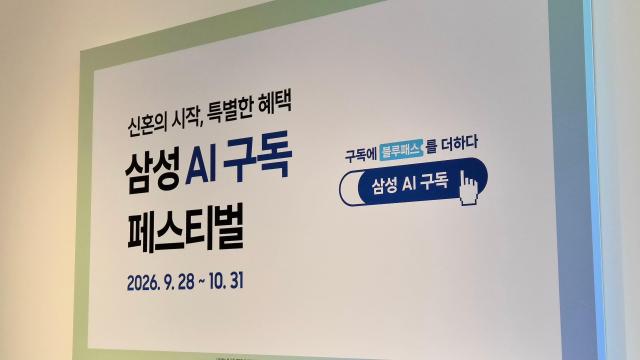
Nearly two years later, it is dropping “Club” from the name and rebranding the business as “Samsung AI Subscription.” It is also expanding its BluePass service beyond product maintenance.
The Newlywed Pass is designed around some of the practical problems that arise after couples buy and install their appliances.
Samsung will offer appliance inspections after customers move, restore cabinetry altered during the installation or removal of products such as dishwashers and robot vacuum cleaners, and provide professional cleaning visits during evenings, weekends and public holidays for couples who have difficulty making time during regular working hours.
The company has also placed specialized consultants at 160 stores nationwide to provide one-stop advice on wedding preparations, appliance purchases, installation and home interiors.
Samsung is offering financial incentives to encourage customers to bundle products. Customers who subscribe to multiple appliances can receive benefits worth up to 6 million won ($4,200) in Samsung membership points.
The company has also raised the maximum portion of subscription fees that can be paid upfront to 50 percent from 30 percent. Customers paying 40 percent or 50 percent upfront will receive an additional 5 percent discount on total subscription fees.
The subscription business itself is growing rapidly.
Samsung’s subscription business is approaching 1 trillion won ($700 million), Lim said, crediting much of the growth to BluePass, a service framework linking installation, maintenance and after-sales support.
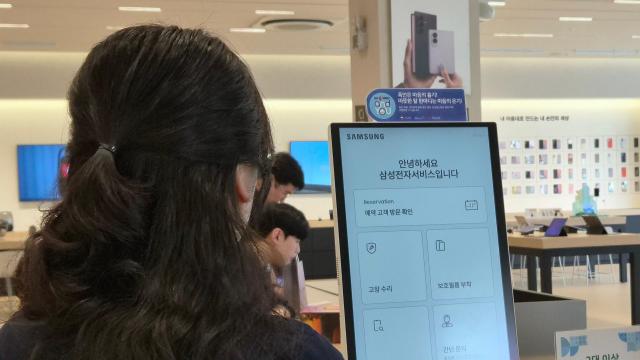
BluePass includes same-day installation for eligible orders, scheduled installation, SmartThings setup, AI-based alerts that detect signs of potential problems and faster access to after-sales service.
Samsung is adding a lower-cost “Visit Care Light” option, which reduces the frequency of professional visits while allowing customers to handle simpler maintenance, such as replacing certain consumables, themselves.
Depending on the product, the option can reduce monthly subscription fees by more than 10 percent compared with the company’s full professional-care plan over a six-year contract.
Newlyweds are not the only customers Samsung wants to keep connected after a sale.
The company introduced an “Easy Care Pass” for senior customers, including regular calls reminding them when consumables need replacing and explaining how to use appliances. A dedicated consultation channel will also help older customers operate AI-equipped products.
Samsung is taking the subscription model beyond households with its new B2B Samsung AI Subscription.
The program targets public institutions, hotels, hospitals and financial companies, allowing corporate customers to reduce the upfront cost of deploying multiple appliances while receiving up to six years of free after-sales service.
B2B BluePass includes maintenance scheduled around a company’s operating hours, service visits within 48 business hours of an after-sales request and designated engineers for individual businesses.
Samsung cited hospitals as one example where the model could be useful, since a malfunctioning air conditioner or other appliance can directly disrupt operations.
Still, Lim stopped short of describing Samsung AI Subscription as a standalone service platform or a business designed primarily to generate service revenue.
Instead, he framed it as part of a broader change in how Samsung expects appliances to be sold and used.
“We used to sell products based on their functions and price, and consumers bought them that way,” Lim said.
“But gradually, all of these customer experiences — not only after-sales service, but everything beginning before installation and from the consultation stage — are becoming connected.”
Samsung is not yet seeking to monetize those services as a standalone platform, Lim said. Rather, it sees connecting previously fragmented services with its products as the direction in which the appliance business is moving.
That helps explain why Samsung chose to make Monday’s announcement without putting a shiny new appliance on stage.
The company still wants newlyweds to buy the refrigerator and washing machine. Its latest bet is on what happens after they take them home.

Copyright ⓒ Aju Press All rights reserved.